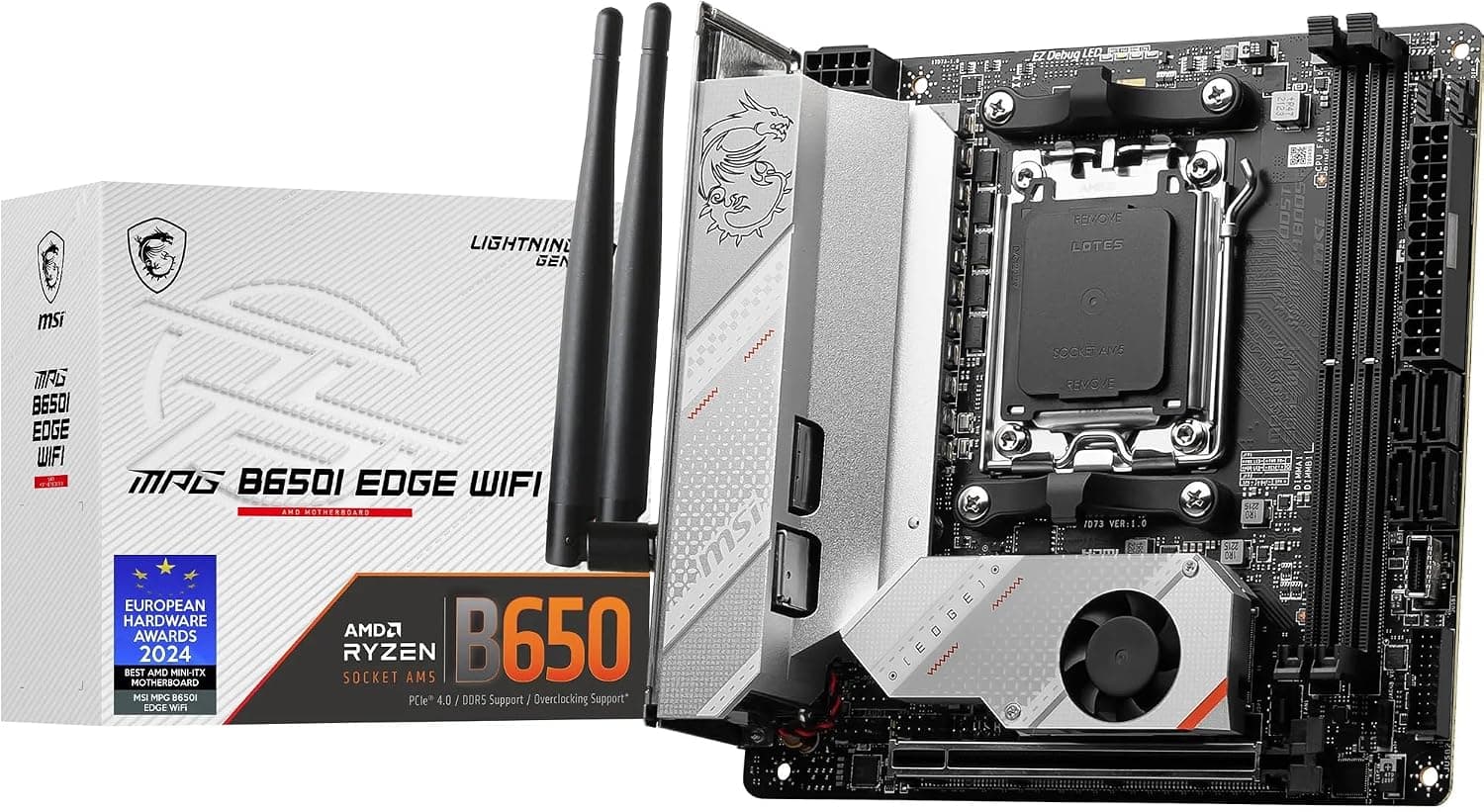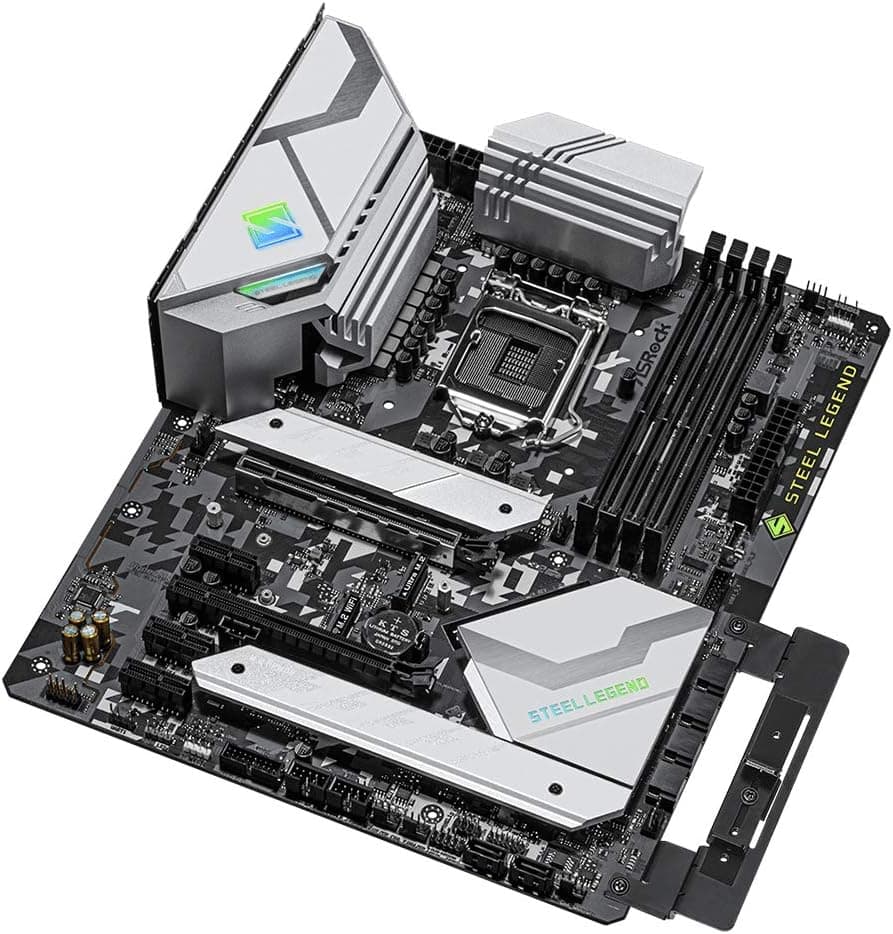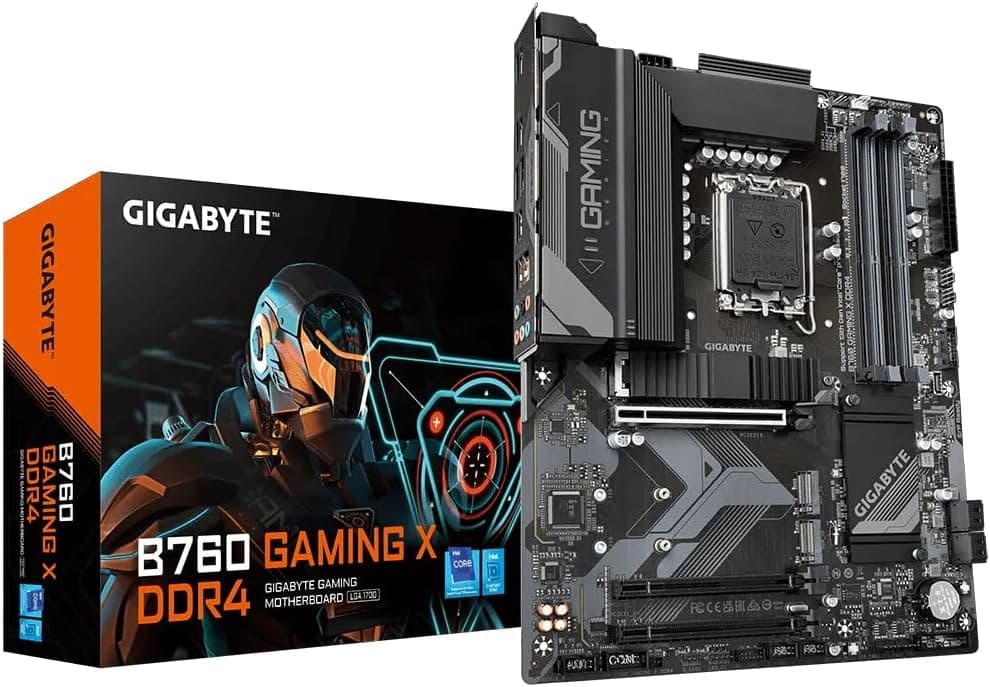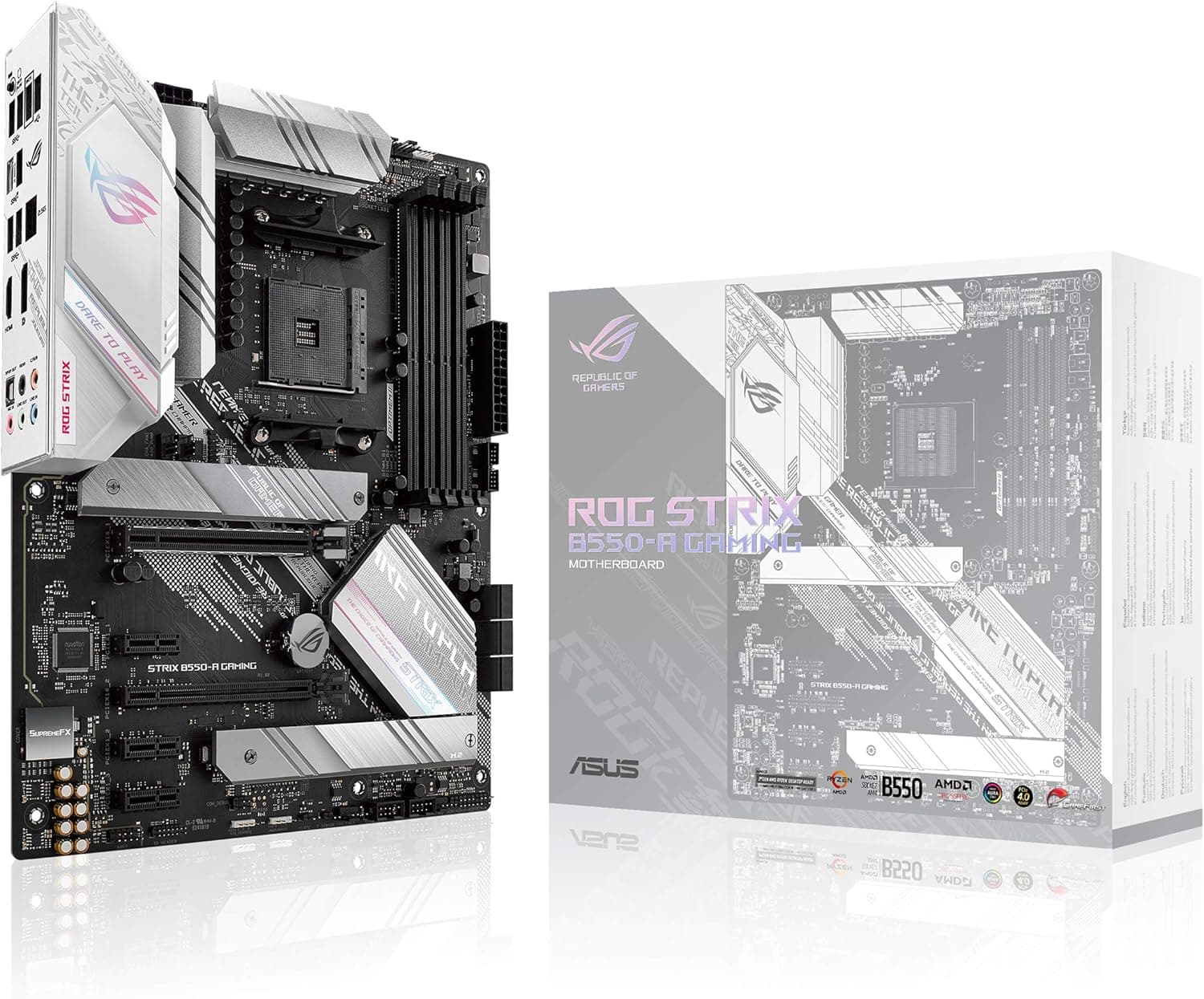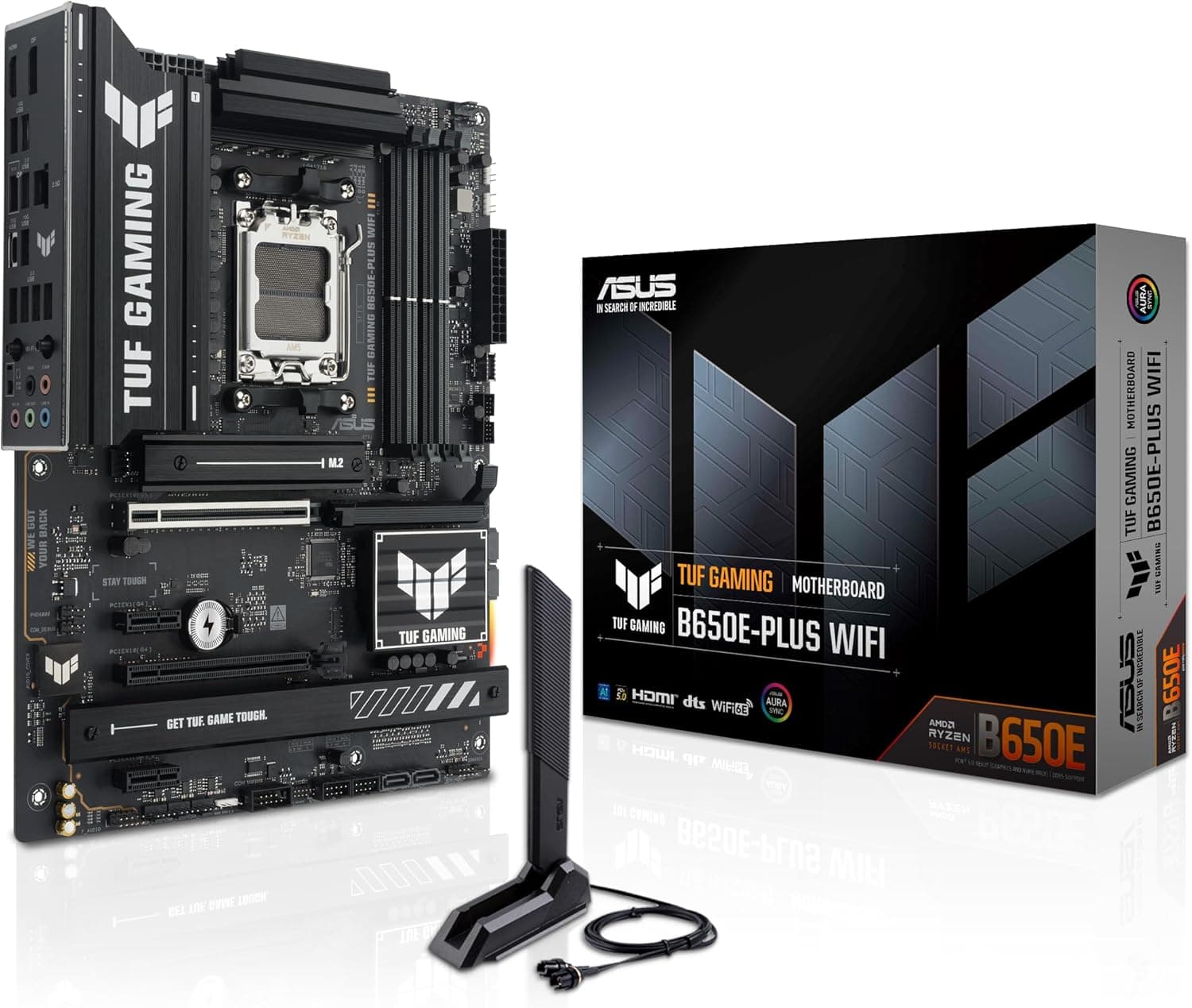
This article covers ASUS TUF Gaming B650E-PLUS WiFi AMD B650 ATX マザーボード 12+2+1 80A DrMOS パワーステージ DDR5 PCIe 5.0対応 3X M.2 Wi-Fi 6E 2.5Gb LAN.
Overview
ASUS's TUF Gaming series brings the B650E-PLUS WiFi, an ATX motherboard built on the AMD B650 chipset. It supports Ryzen 9000, 8000, and 7000 series processors and features DDR5 memory, PCIe 5.0 for storage, a robust 12+2+1 phase 80A DrMOS VRM, and an 8-layer PCB for stability. With integrated Wi-Fi 6E, 2.5Gb Ethernet, and a rear USB 20Gbps Type-C port, this board sits firmly in the upper mid-range segment, offering premium features without the flagship price.
Compatibility Guide
The motherboard uses the AM5 socket and is compatible with AMD Ryzen 9000/8000/7000 series CPUs. It supports DDR5 memory only; dual-channel configuration with two sticks is recommended. Form factor is standard ATX (305×244mm) and fits in most mid-tower cases. The PCIe x16 slot runs at PCIe 4.0, and there is a dedicated PCIe 5.0 M.2 slot. Power delivery uses a 24-pin main connector plus two 8-pin CPU power headers - a 650W PSU is sufficient for typical builds. Storage includes three M.2 slots (one PCIe 5.0, two PCIe 4.0) and four SATA 6Gbps ports.
Product Info
Released in early 2025, the TUF Gaming B650E-PLUS WiFi is available now on Japan at around ¥42,460. ASUS backs it with a standard 3-year warranty. Market positioning: mid-to-high mid-range. It pairs a B650 chipset with PCIe 5.0 M.2 support and robust VRMs that can handle Ryzen 9 CPUs comfortably. Onboard Wi-Fi 6E and 2.5Gb LAN provide excellent connectivity, and the rear I/O includes a 20Gbps USB-C port as well as a Thunderbolt header for future expansion.
Best Use Cases
First, gamers building a high-performance Ryzen 7 or Ryzen 9 system will appreciate the stable power delivery of the 12+2+1 80A DrMOS stages even under sustained loads. Overclocking enthusiasts can push their CPUs further thanks to the quality VRM and 8-layer PCB. Second, content creators benefit from the PCIe 5.0 M.2 slot, allowing ultra-fast NVMe SSDs for large file transfers and video editing. The dual-band Wi-Fi 6E is a boon for those who cannot run Ethernet cabling. Third, users seeking a future-proof foundation will value the DDR5 support and Thunderbolt header for external high-speed peripherals. ## Alternatives
Direct competitors include the MSI MAG B650 TOMAHAWK WIFI and Gigabyte B650 AORUS ELITE AX. The MSI board has similar VRM capability but lacks a dedicated PCIe 5.0 M.2 slot, while the Gigabyte model offers comparable features but with a different BIOS interface. The ASUS board stands out with its Q-Design toolkit (M.2 Q-Latch, PCIe Q-Release, pre-mounted I/O shield) and generally more intuitive BIOS, which many DIY builders prefer.
Things to Consider
Be aware that despite the "B650E" naming, the PCIe 5.0 support applies only to the primary M.2 slot - the PCIe x16 slot remains at PCIe 4.0. If you plan to use a future GPU that requires PCIe 5.0 bandwidth, this board may become a bottleneck. Also, while four DDR5 DIMM slots are present, populating all four can lead to instability or reduced speeds; dual-channel (2 sticks) is the safe bet. The price of ¥42,460 is higher than entry-level B650 boards, but the superior VRM, Wi-Fi 6E, and build quality justify the extra cost for most mid-range builds.
Product Disclosure (Amazon)
- Manufacturer: ASUS
- Seller: KooShop
- Fulfilled by: KooShop
- ASIN: B0F7VZS6FG
- Note: This article covers a manufacturer-made product based on Amazon listing details.