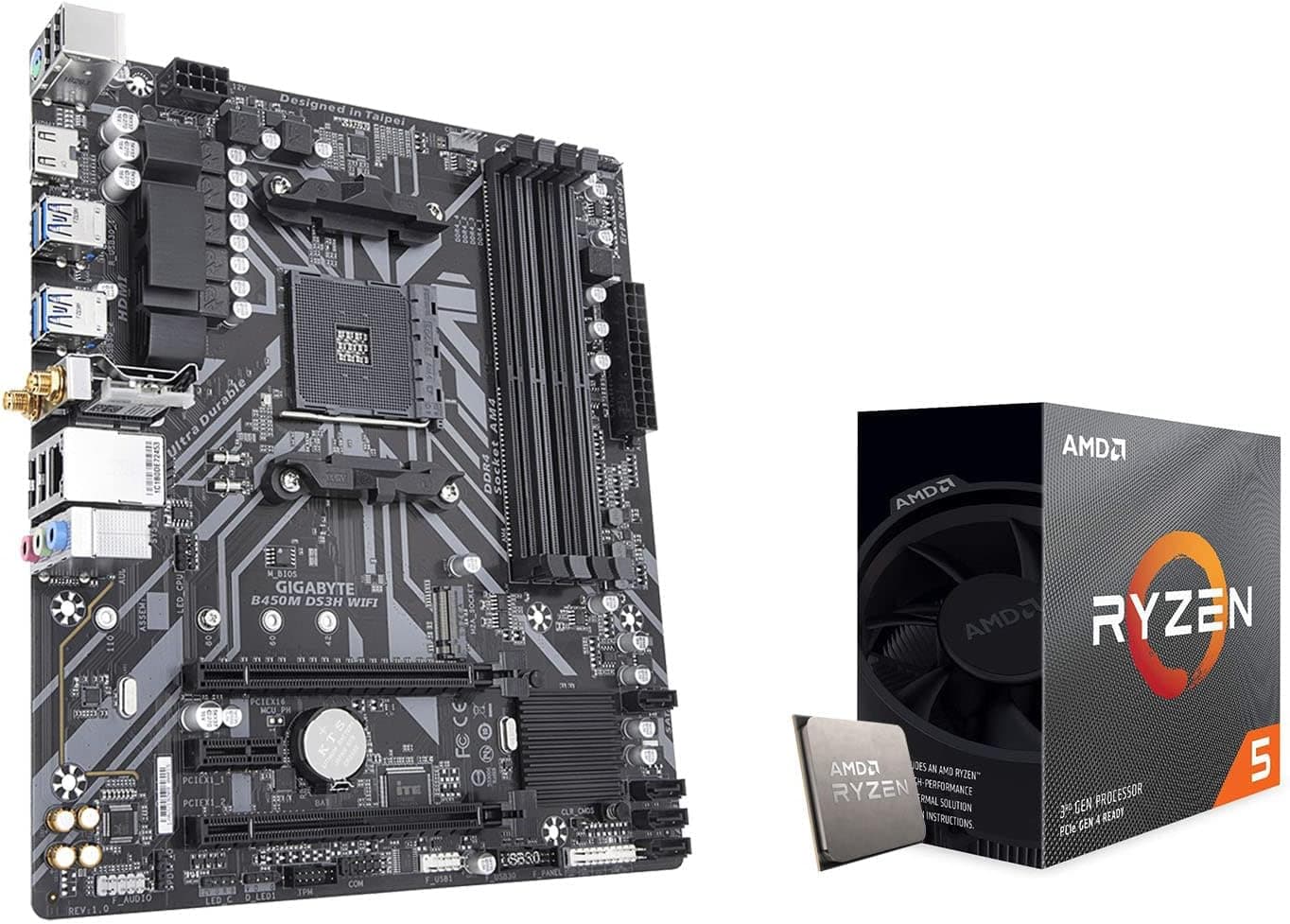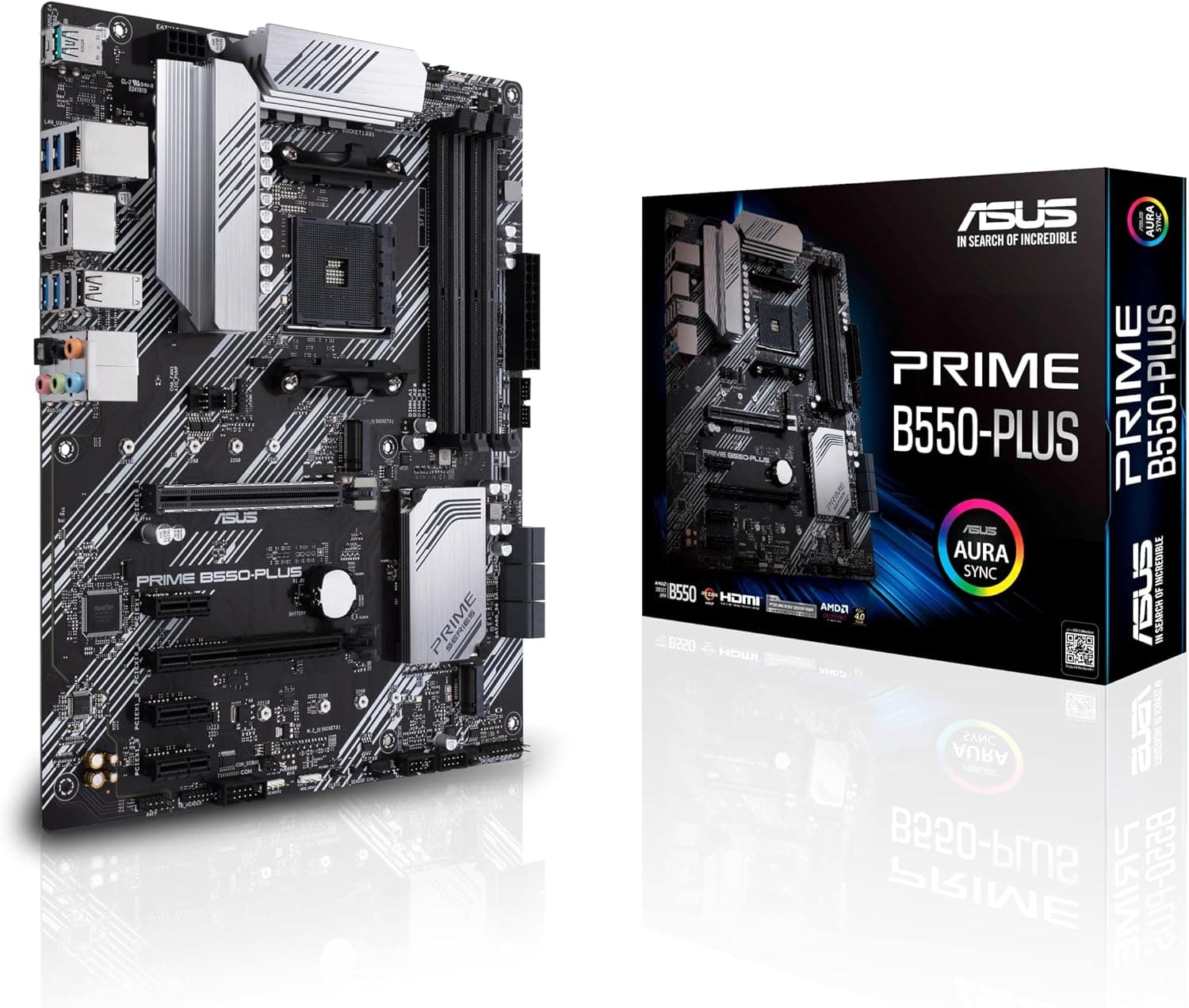
This article covers StoneStorm W680 M-ATX マザーボード 12ベイNASサーバー(LGA1700.
Overview
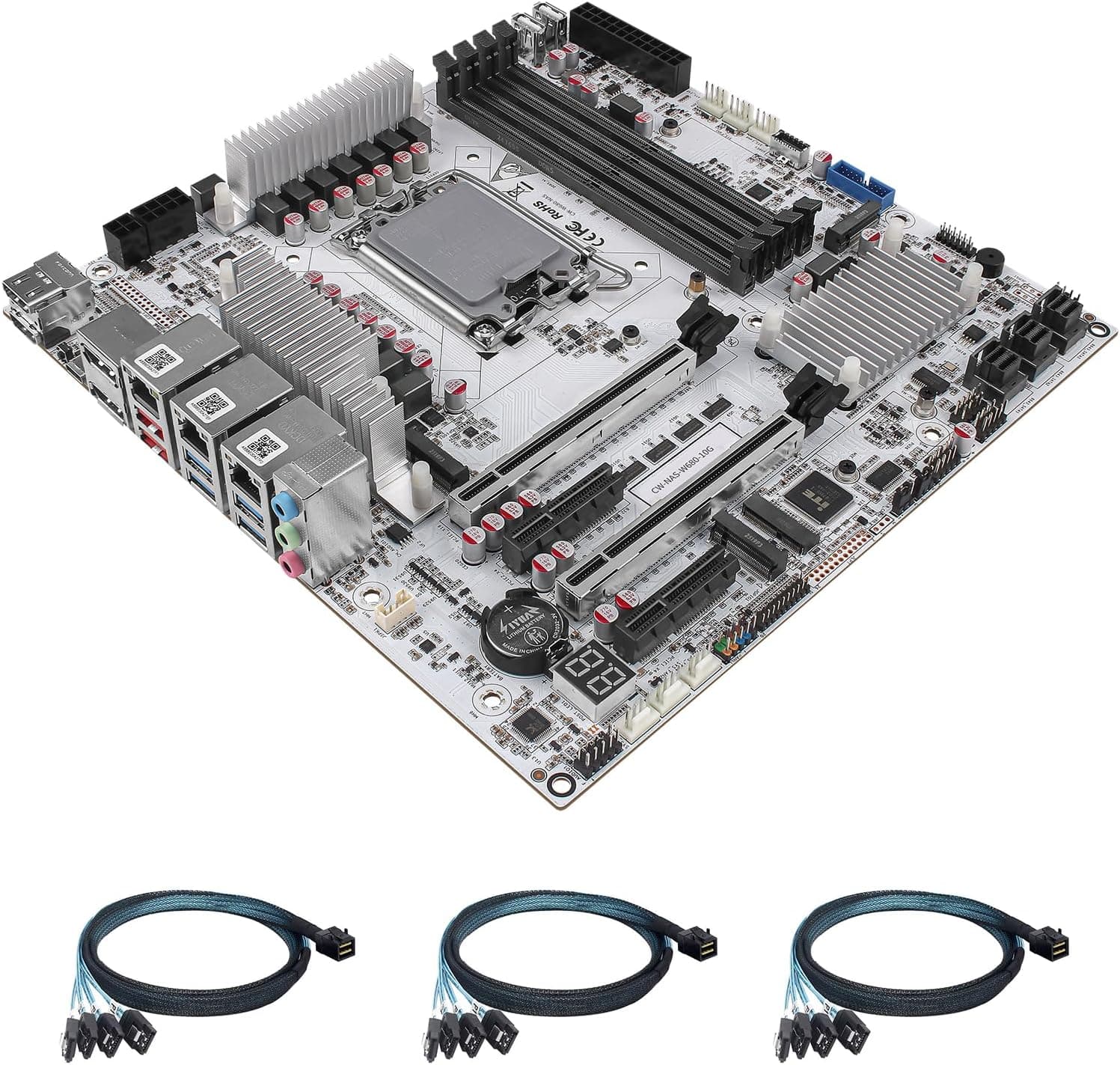
The StoneStorm W680 M-ATX motherboard is a specialized board built around the Intel W680 chipset in a Micro ATX form factor, targeting NAS and server applications. It features an LGA1700 socket compatible with 12th, 13th, and 14th Gen Intel Core processors, supports up to 128GB of DDR5 memory across four DIMM slots, and includes three M.2 NVMe slots (2280/22110). The standout feature is its ability to connect up to twelve SATA drives using three bundled SFF-8643 cables. Onboard networking is equally impressive with one 10GbE (AQC113CS) and two 2.5GbE (i226-LM/i222) ports. This motherboard is squarely aimed at home NAS builders, small business file servers, and homelab enthusiasts who prioritize storage capacity and high-speed connectivity.
Compatibility Guide
The Socket LGA1700 supports Intel Core 12th/13th/14th Gen desktop processors, with T-series (low-power) variants recommended for optimal thermals and power efficiency. Memory is DDR5 U-DIMM, supporting both ECC and non-ECC unbuffered modules up to 128GB total (4 slots). The Micro ATX form factor (9.6 x 9.6 inches) fits most standard M-ATX cases. Power delivery requires a 24-pin ATX main connector, an 8-pin EPS, plus an additional 4-pin CPU power connector—so your PSU must have these cables. Storage interfaces include three M.2 NVMe slots (PCIe 4.0 x4), and twelve SATA 3.0 ports via SFF-8643 connectors. Expansion slots: one PCIe 4.0 x16, two PCIe 3.0 x4 slots for additional cards (e.g., GPU, network card). Note that the 10GbE NIC (AQC113CS) may require driver installation on some operating systems; Windows 10/11 and Linux are officially supported.
Product Info
The StoneStorm W680 M-ATX is a relatively recent release (circa 2025), positioned in the mid-range to budget NAS/server motherboard market. Its pricing hovers around ¥170,000 in Japan, which is competitive given the unique combination of 12 SATA ports and 10GbE networking. The board carries a basic TDP rating of 125W, making it suitable for most T-series processors. Warranty is typically 1 year from the reseller. This product occupies a niche: it is not a general-purpose gaming motherboard but a specialized platform for storage-focused builds. It supports Windows 10/11 and Linux, and the BIOS can be accessed via the DEL key on boot.
Best Use Cases
Home NAS Builders: With native support for 12 SATA drives and 10GbE, you can build a high-capacity network storage server for media libraries, backups, and file sharing. The three M.2 slots can serve as a fast cache or separate OS drive. Why it fits: The motherboard is designed from the ground up for this purpose. Who should skip: Users who only need 4–6 drives—a cheaper B760 or H610 board with a SATA expansion card might suffice. Small Business File Server: ECC memory support and vPro (with compatible CPU) provide stability and remote management capabilities for mission-critical data. Why it fits: Redundant drive configurations and reliable networking. Who should skip: If you require IPMI for full out-of-band management, consider server-grade boards like ASRock Rack instead. Homelab and Virtualization: The multiple M.2 slots and PCIe expansion allow for flexible storage topologies. Use two 2.5GbE ports for a private network and the 10GbE port for external access. Why it fits: Plenty of lanes for NVMe pools and VNIC pass-through. Who should skip: If you need multiple GPU slots for AI/ML workloads, look for ATX boards with more x16 slots. Video Editing Storage Server: A dedicated NAS with 10GbE can serve 4K/8K footage to multiple editing workstations without bottleneck. Why it fits: High throughput from NVMe cache and 10GbE link. Who should skip: If you want a single system that also performs rendering, invest in a more powerful GPU-capable build. ## Alternatives
Direct competitors include the ASUS Pro WS W680-ACE and ASRock W680D4U-2L2T/G5. The ASUS board is a standard ATX offering with 8 SATA ports, PCIe 5.0 support for GPU, and a more established BIOS ecosystem, but costs slightly more (~¥180,000) and lacks 12 SATA. The ASRock board is server-grade with dual 10GbE and IPMI, commanding a price above ¥200,000. StoneStorm undercuts both on pricing per SATA port, making it the best value for pure storage density. However, ASUS and ASRock offer better long-term support and firmware updates, which may matter for production environments.
Things to Consider
This motherboard is not a drop-in replacement for a standard desktop board. It has only one PCIe x16 slot (PCIe 4.0), so dual-GPU setups are impossible. The 10GbE controller (AQC113CS) has known compatibility quirks with certain Linux kernels and Windows versions—verify your OS before purchase. The additional 4-pin CPU power connector may require a PSU upgrade if your current unit lacks it. Also, using all 12 SATA ports demands a suitable case with drive cages and proper cabling. The board's BIOS has a long mem
Product Disclosure (Amazon)
- Manufacturer: StoneStorm
- Seller: うきうき輸入市場(年中無休出荷)
- Fulfilled by: うきうき輸入市場(年中無休出荷)
- ASIN: B0FK41MM81
- Note: This article covers a manufacturer-made product based on Amazon listing details.