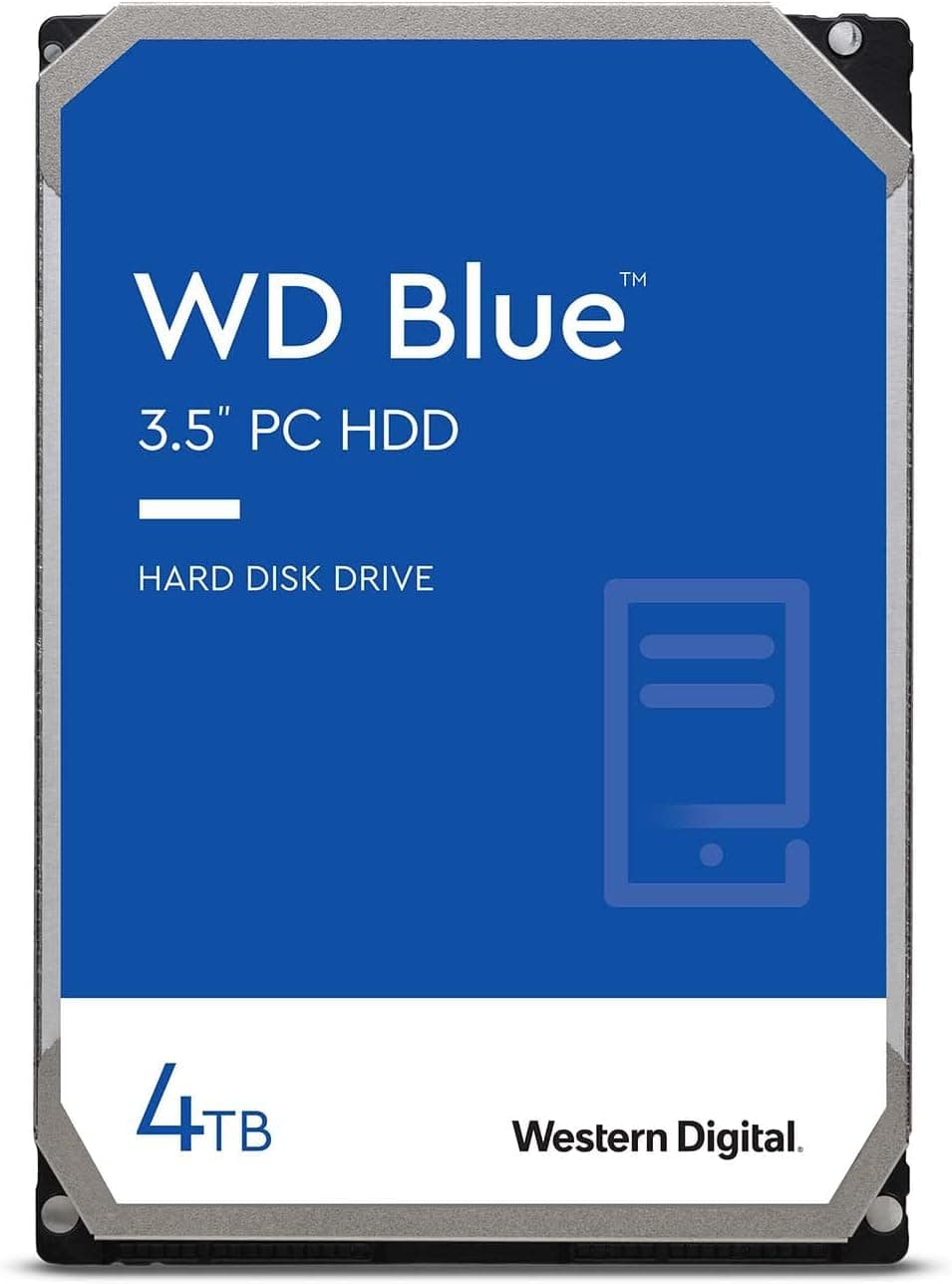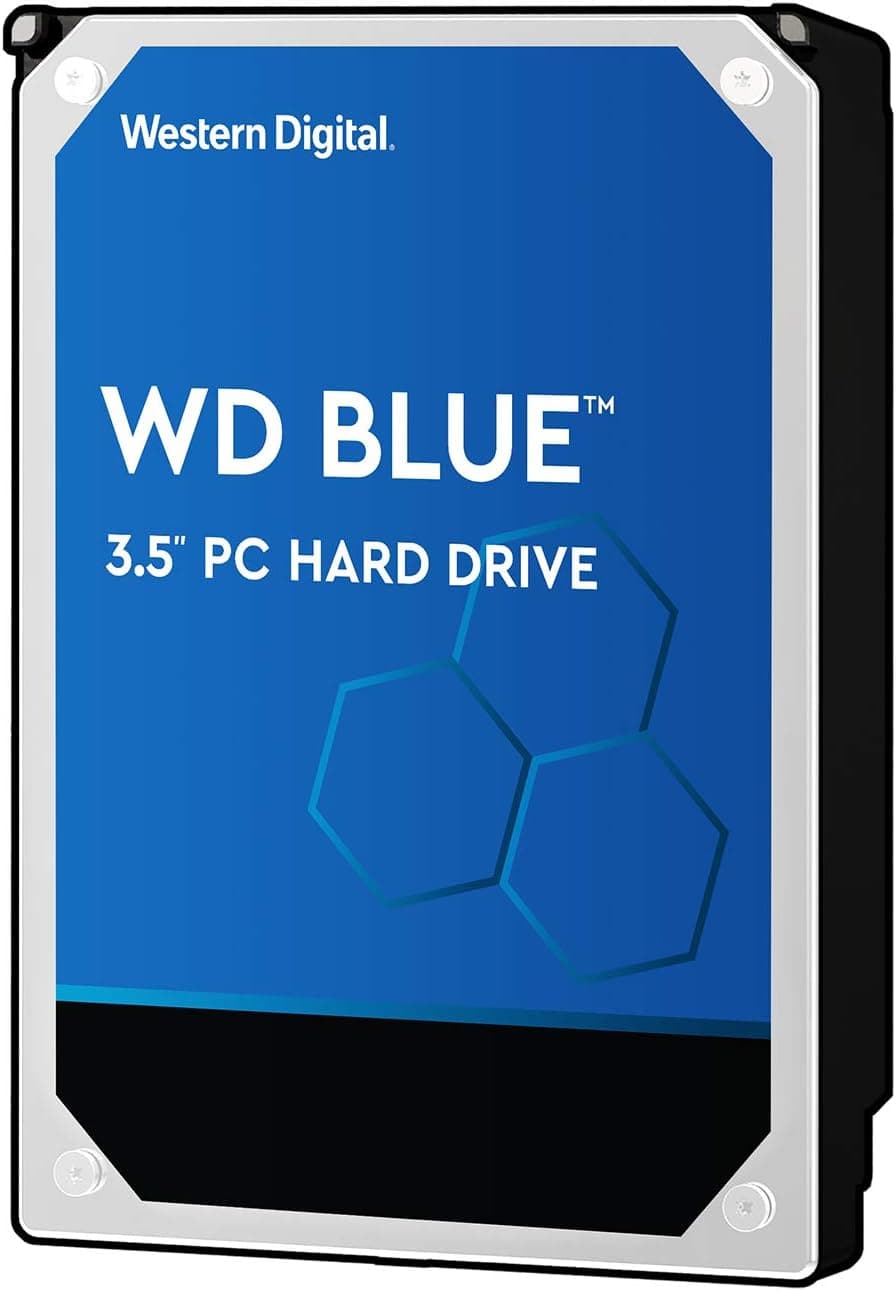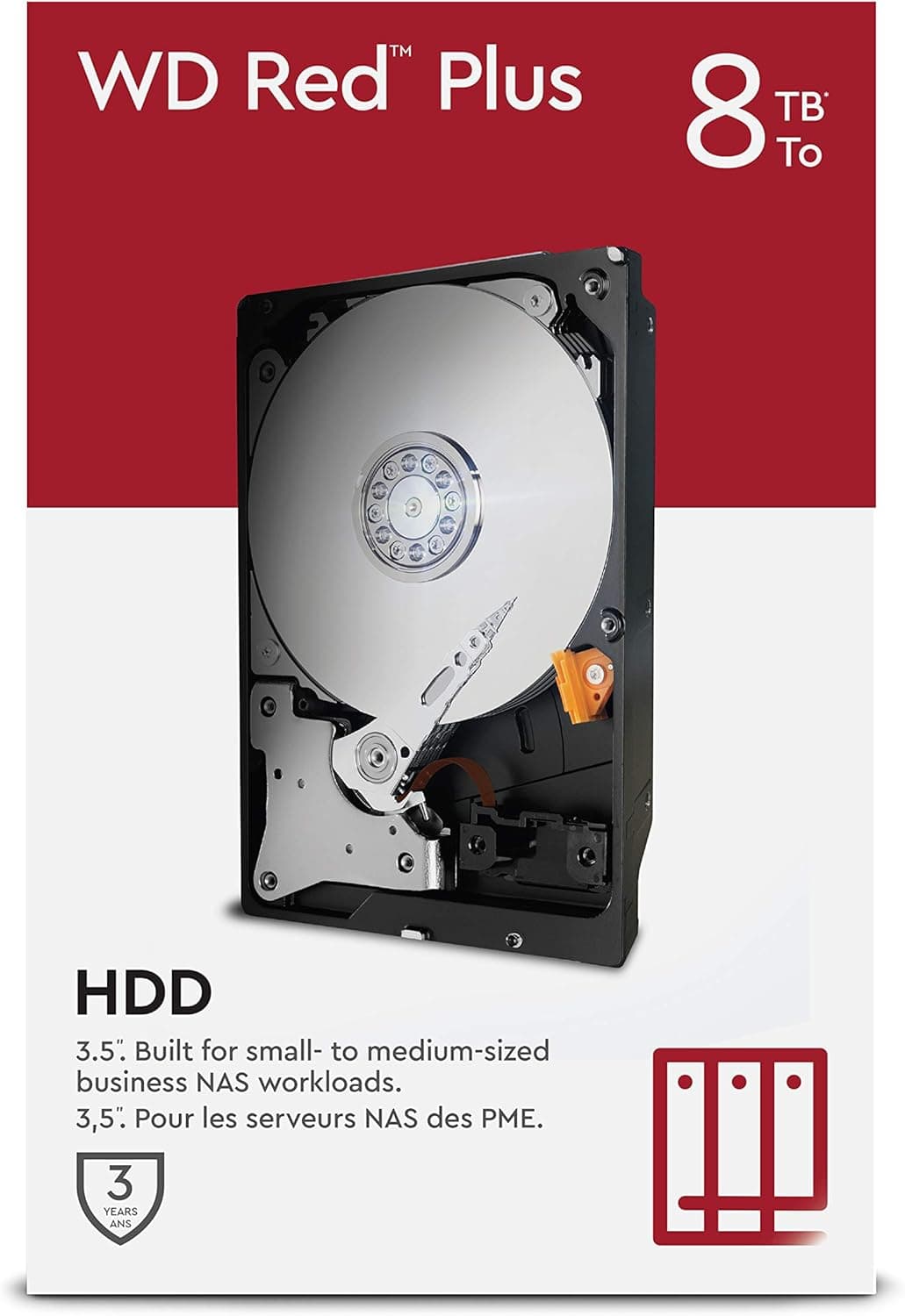
This article covers WD Red Plus 8TB NAS 3.5 Inch Internal Hard Drive.
Overview
Western Digital's WD Red Plus 8TB NAS 3.5-inch internal hard drive is purpose-built for network-attached storage environments. Unlike the entry-level WD Red series which uses SMR (Shingled Magnetic Recording), this drive employs CMR (Conventional Magnetic Recording) technology, delivering consistent write performance and reliable RAID rebuilds—critical for multi-drive NAS setups. With 8TB capacity, SATA 6Gb/s interface, and 256MB cache, this 5400RPM-class drive is optimized for 24/7 operation. The proprietary NASware firmware enhances compatibility with major NAS brands and manages workloads up to 180TB per year, making it a solid mid-range choice for home users and small offices. Positioned between the budget WD Red (SMR) and the high-performance WD Red Pro (7200RPM), the Red Plus strikes a balance between reliability, noise, and power consumption. It's designed for systems with up to 8 drive bays, supporting RAID 0/1/5/6/10 configurations.
Compatibility Guide
This is a standard 3.5-inch SATA internal hard drive. It fits any desktop PC or NAS with a 3.5-inch drive bay and a SATA power/data connector. Form factor: 3.5-inch (101.6 x 147 x 26.1 mm) Interface: SATA 6Gb/s (backward compatible with SATA 3Gb/s) Power: Standard SATA power connector (5V/12V) Supported devices: Most NAS units from Synology, QNAP, ASUSTOR, Buffalo; desktop PCs; external 3.5-inch enclosures Real-world pairing examples: Four of these drives in a Synology DS923+ or QNAP TS-464 for RAID 5/6 storage. They also work as secondary storage in a desktop PC, though an SSD is recommended for the OS boot drive.
Product Info
The WD Red Plus 8TB (model WD80EFZZ) launched in 2021. Pricing typically ranges around ¥20,000–¥25,000 depending on the retailer, and it carries a 3-year limited warranty. It's widely available through Japan, major electronics retailers, and PC specialty stores. Market position: Mid-range. It costs more than the entry-level WD Red (SMR) but offers CMR reliability essential for RAID arrays. The higher-tier WD Red Pro spins at 7200RPM for better sequential performance, but the Red Plus excels in quiet operation and lower power draw. Key specs: Capacity: 8TB Rotational speed: 5400RPM class Cache: 256MB Recording technology: CMR Workload rate: up to 180TB/year Warranty: 3 years
Best Use Cases
- Home NAS Users Ideal for centralizing photos, videos, and documents. CMR technology ensures stable RAID rebuilds, making it perfect for mirroring (RAID 1) or parity-based (RAID 5) configurations where data integrity is paramount. 2. SOHO (Small Office/Home Office) Users Suitable for file servers and backup targets in small offices. The 180TB/year workload rating handles concurrent access from multiple users without premature wear. 3. Media Server Builders Great for adding bulk storage to Plex or Jellyfin servers. 8TB holds roughly 2,000 full-HD movies or 500 4K movies, giving you plenty of room for a growing media library. ## Alternatives
Direct competitor: Seagate IronWolf 8TB (ST8000VN004). Both are 5400RPM CMR drives with 256MB cache and 180TB/year workload rating. The IronWolf offers similar specs and pricing, but WD's NASware firmware provides tighter integration with many NAS brands. If you prefer Seagate's ecosystem or find a better price, the IronWolf is a worthy alternative. For higher performance, consider the WD Red Pro 8TB (7200RPM) or Seagate IronWolf Pro 8TB—expect 20–30% higher sequential speeds but also higher cost and noise. If quiet operation and power efficiency are priorities, stick with the Red Plus.
Things to Consider
At 5400RPM, sequential read speeds hover around 180MB/s, noticeably slower than 7200RPM drives (200–220MB/s). If you frequently transfer large files, the Red Pro or IronWolf Pro may be worth the premium. Be careful not to confuse this with the standard WD Red (SMR) drives. The SMR models (e.g., WD80EFAX) are cheaper but suffer severe performance degradation during RAID rebuilds. Always verify the model number—WD80EFZZ for the Red Plus. 8TB may be overkill for a 2-bay NAS in RAID 1, where you'd only get 4TB usable. Plan your capacity needs and budget accordingly. Finally, this is a 3.5-inch drive—it won't fit in laptops or small-form-factor PCs with only 2.5-inch bays. If using an external enclosure, ensure it supports 3.5-inch drives.