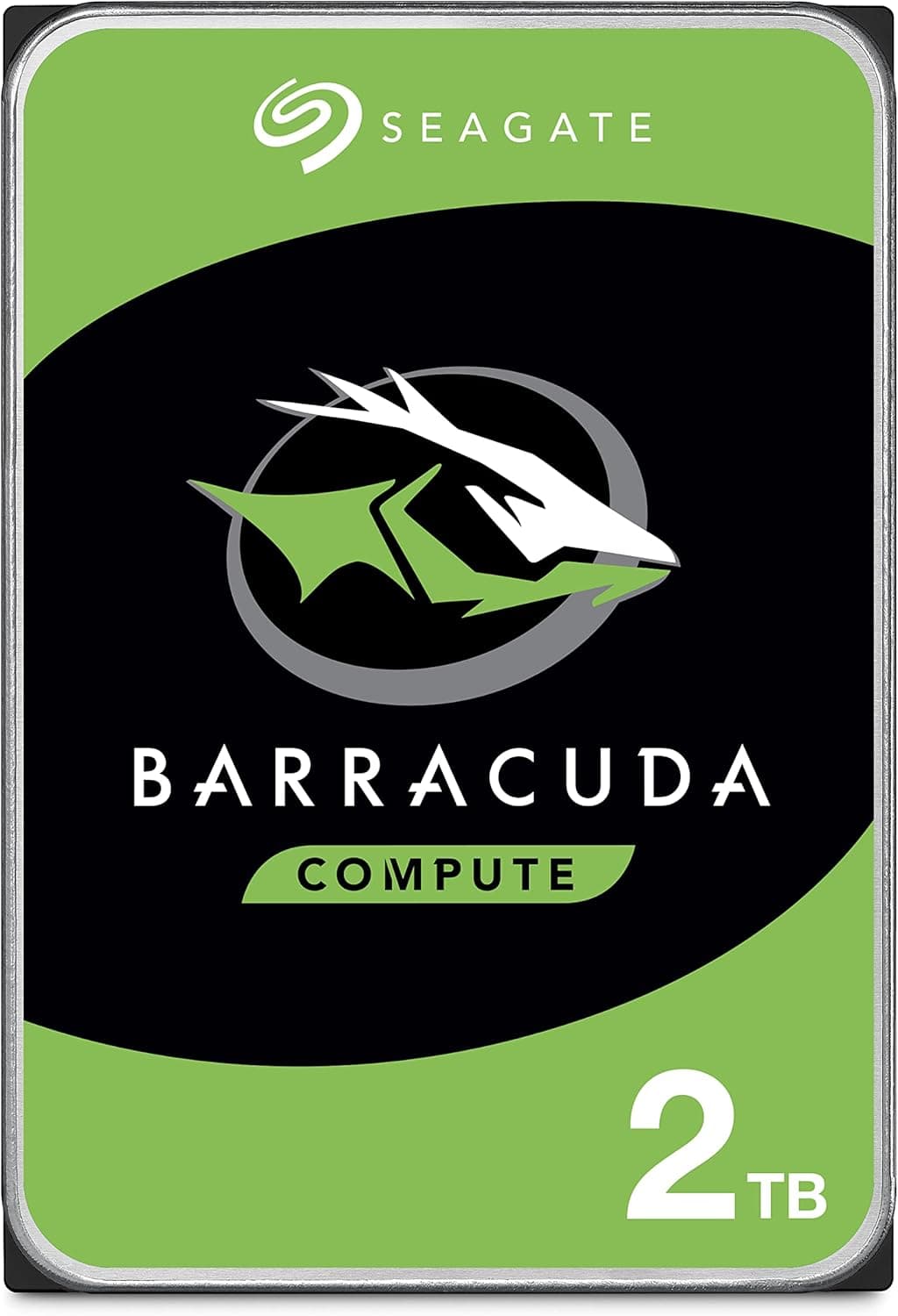
This article covers Seagate IronWolf 1TB NAS Internal Hard Drive HDD.
Overview
The Seagate IronWolf ST1000VN002 is a 3.5-inch internal hard drive purpose-built for NAS (Network Attached Storage) environments. With 1TB capacity, 5900 RPM spindle speed, 64MB cache, and a SATA 6Gb/s interface, it uses Conventional Magnetic Recording (CMR) technology to deliver consistent performance in RAID arrays. This drive targets home NAS users and small office file servers who need reliable, always-on storage. It carries a workload rating of 550TB per year, a mean time between failures (MTBF) of 2.5 million hours, and comes with a 5-year limited warranty plus a 3-year Rescue Data Recovery service at no extra cost. That combination makes it a solid choice for protecting important data. In the market, the IronWolf 1TB sits in the entry-to-mid-range NAS HDD segment. It competes directly with WD Red and Toshiba N300 series, but the inclusion of free data recovery for three years gives it a distinct edge for users who prioritize peace of mind.
Compatibility Guide
Form factor: 3.5-inch, fits standard drive bays in desktop PCs and NAS enclosures. Interface: SATA 6Gb/s, backward compatible with SATA 3Gb/s (performance limited to 3Gb/s speed). Power consumption: ~4W idle, ~5.5W active, compatible with any standard ATX or NAS PSU. For RAID setups, use identical drives of the same model to avoid performance mismatches. CMR drives should not be mixed with SMR drives in the same RAID array. * Hot-swap bays are supported; check that your NAS or case has a 3.5-inch bay (some slim cases lack them).
Product Info
The Seagate IronWolf ST1000VN002 launched around 2021 and is widely available. Pricing hovers around $40-50 USD (as of July 2026), positioning it as an affordable entry-level NAS HDD. Market position: Entry to mid-range. Key differentiators are the CMR recording, 5-year warranty, and included Rescue Data Recovery service. Competing drives often lack the free recovery option. Warranty: 5 years limited Recovery service: 3 years free Workload rate limit: 550TB/year MTBF: 2.5 million hours Non-operating shock: 300G Operating shock: 70G
Best Use Cases
- Home NAS Users Best for Synology, QNAP, or DIY NAS running Plex or file sharing. 1TB is enough for photos, documents, and music. The CMR technology ensures stable RAID rebuild times. 2. Backup Drive Place this HDD in an external enclosure for automated backups of critical data. Low power consumption makes it suitable for 24/7 operation. 3. Small Office File Server A team of 2-5 people sharing documents and spreadsheets will find the 550TB/year workload rating more than sufficient. The 5-year warranty covers business continuity needs. Not for: Gamers or video editors who need fast load times. For those tasks, choose an SSD or a 7200 RPM drive.
Things to Consider
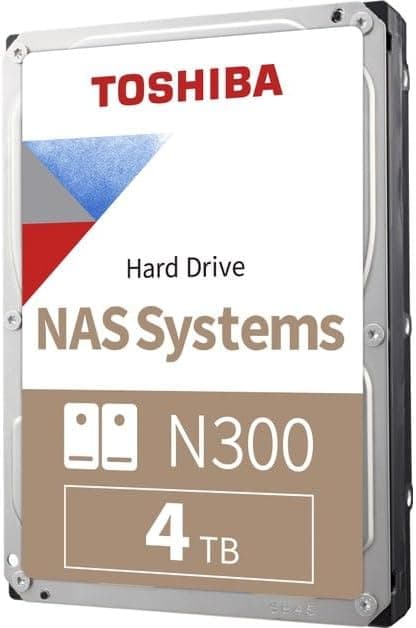
While usable as a desktop OS drive, boot times will be much slower than an SSD. Use this drive for storage, not for the operating system. 1TB fills up quickly if you store high-resolution video or large VM backups. Consider a 2TB or higher model if you anticipate growth. Competitors: WD Red WD10EFRX and Toshiba N300 HDWQ110 offer similar specs but often lack Rescue Data Recovery. The Seagate's free recovery service is a real differentiator. Confirm you are buying the CMR version (ST1000VN002). Some older IronWolf 1TB models used SMR technology, which can cause performance issues in RAID. ## FAQ
Q: Can I use this drive as the boot drive in a desktop PC? A: You can, but it will be significantly slower than an SSD. We recommend using an SSD for the OS and this HDD for bulk storage. Q: Do I need special settings for RAID1 with two drives? A: No, most NAS systems will automatically handle RAID1 creation. Just ensure both drives are the same model. Check SMART data before building the array. Q: How does the Rescue Data Recovery service work? A: If the drive fails, file a claim on Seagate's website. Ship the drive to Seagate (in Japan), they attempt recovery, and return the recovered data. The service covers the first three years of ownership.
![【NAS用HDD】Synology HAT3300-6T [6TB 3.5-inch SATA 5,400rpm]](/_next/image?url=https%3A%2F%2Fm.media-amazon.com%2Fimages%2FI%2F91lHFptRabL._AC_SL1500_.jpg&w=1920&q=75)