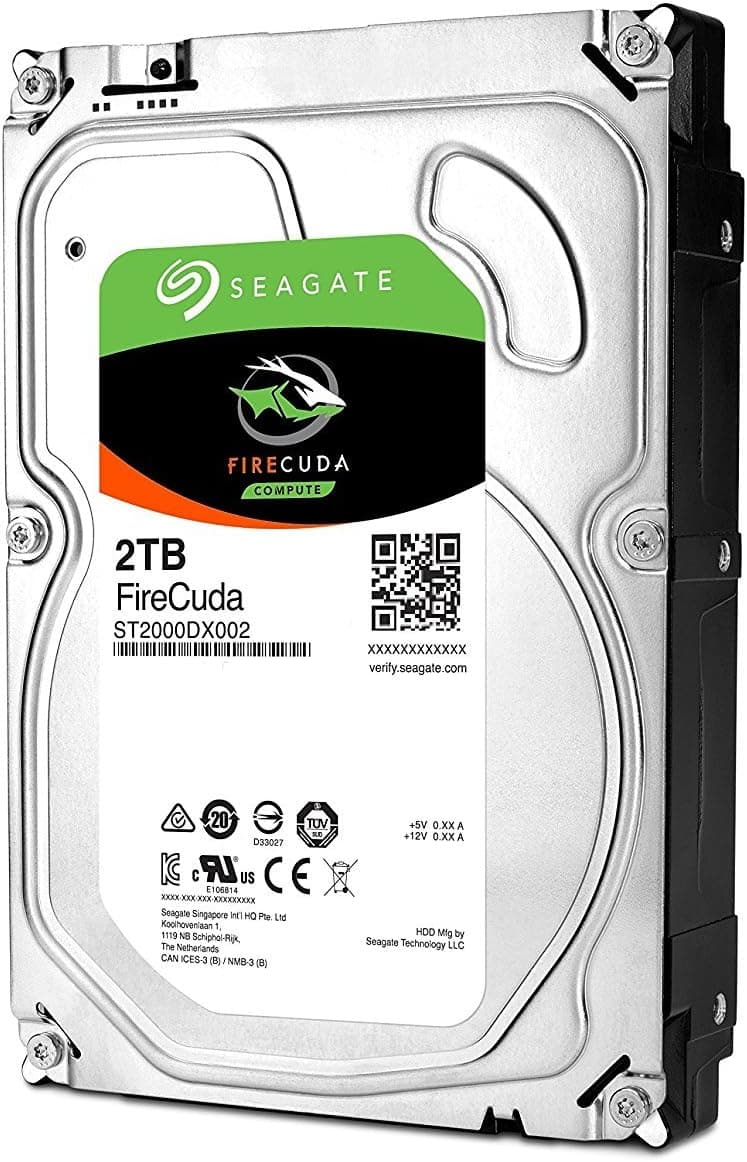
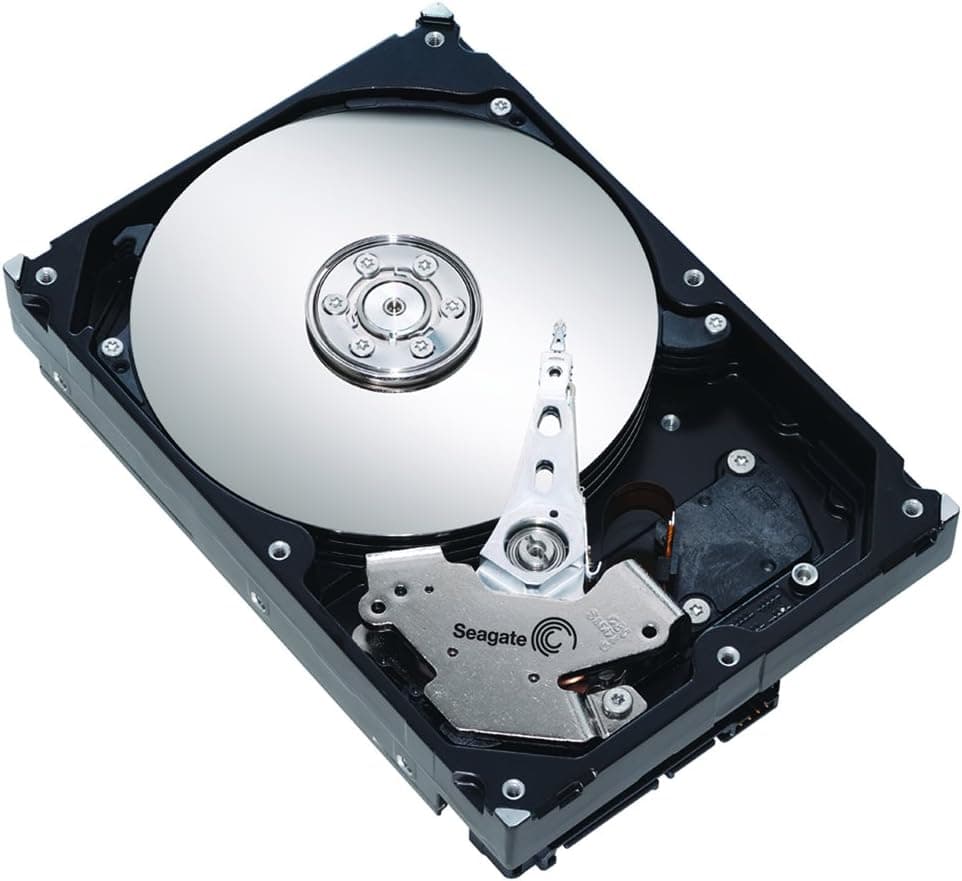
This article covers Seagate Constellation ST6000NM0034 hard disk drive. The Seagate Constellation ST6000NM0034 is an enterprise-grade 3.5-inch internal hard drive from Seagate's Constellation series.
It offers 6TB of capacity, spins at 7,200 RPM, and packs a 128MB cache. With a sustained transfer rate of up to 12GB/s (SAS 6Gb/s interface), this drive is designed for 24/7 operation in NAS, server, and RAID environments.
Positioned as a mid-range enterprise storage solution, it balances capacity, reliability, and cost per terabyte. Built with robust vibration tolerance and a high MTBF, it has been a trusted choice for backup archives and file servers since its launch in 2014.
While the listing inconsistently mentions SATA, the ST6000NM0034 is actually a SAS 6Gb/s drive. This distinction is critical for compatibility, as SAS drives require a compatible host bus adapter or RAID controller and cannot be used on standard SATA ports.
Seagate Constellation ST6000NM0034 uses a SAS (Serial Attached SCSI) interface. It physically fits a standard 3.5-inch drive bay, but electrically it requires a SAS controller (HBA or RAID card).
It is not compatible with SATA-only ports, though SAS backplanes or SAS-to-SATA adapters (active) may work in some cases. It works seamlessly with enterprise RAID controllers from LSI, Broadcom, Adaptec, and SAS-capable NAS units from QNAP and Synology.
Power consumption is modest: about 5W idle and up to 10W during seek. A single SAS cable (SFF-8087 or SFF-8643) connects up to 4 drives.
Ensure your power supply has a SATA power connector (drives use standard SATA power). The Seagate Constellation ST6000NM0034 launched in 2014 and is now discontinued, so only new-old-stock, used, or refurbished units remain on the market.Check the retailer's page for the latest price.
Original warranty from Seagate was 5 years for new drives, but second-hand units may have no warranty. This drive occupies an entry-level enterprise niche: reliable enough for 24/7 duty but lacking the advanced caching or higher performance of the newer Exos series.
It handles sequential workloads well, making it suitable for file sharing and media streaming. Server backup/archive: For servers with spare SAS slots, these drives are excellent for nightly backups or long-term archival storage where speed is secondary to capacity and reliability.
Who should avoid: Anyone with a standard desktop PC or consumer NAS that only supports SATA drives. Also not suitable for high-random-write workloads (e.g., database servers) where modern SSDs or faster SAS drives would be better.
Western Digital WD Red Pro 6TB (WD6003FFBX): This is a SATA 6Gb/s drive optimized for NAS use. It works directly with any SATA-enabled NAS or PC, making it far more versatile than the SAS-based Seagate Constellation.
However, it has a slightly lower MTBF and is less tolerant of vibration in multi-bay enclosures. Price is similar to the Seagate new.
Best choice for most home NAS users. Seagate Exos 6TB (ST6000NM0024): The direct successor to the Constellation, the Exos series offers improved sequential performance (up to 250MB/s) and higher reliability with a 2M-hour MTBF.
If you can find a good deal on Exos, it is a better long-term investment. The number one caveat is interface: confirm your system supports SAS.
Many users mistakenly buy this drive expecting SATA compatibility. The drive is discontinued, so finding a fresh unit may be challenging; used drives carry risk of wear and potential hidden failures.
Performance is modest compared to modern HDDs or SSDs; sequential speeds around 200MB/s are typical. For applications requiring random IOPS (like virtualization), this drive will be a bottleneck.
Also, running multiple drives in a RAID setup will require a suitable SAS backplane and proper cooling. ## FAQ Q: Can I use this drive in a standard desktop PC?
A: Only if you install a SAS controller card. It will not work on motherboard SATA ports.
Q: What is the real-world speed? A: Sequential read/write is approximately 200MB/s.
Random access is slower, typical of traditional HDDs. Q: Is it good for a Plex media server?
A: Yes, if you have SAS connectivity. For direct streaming of large files, the speed is adequate.