Overview
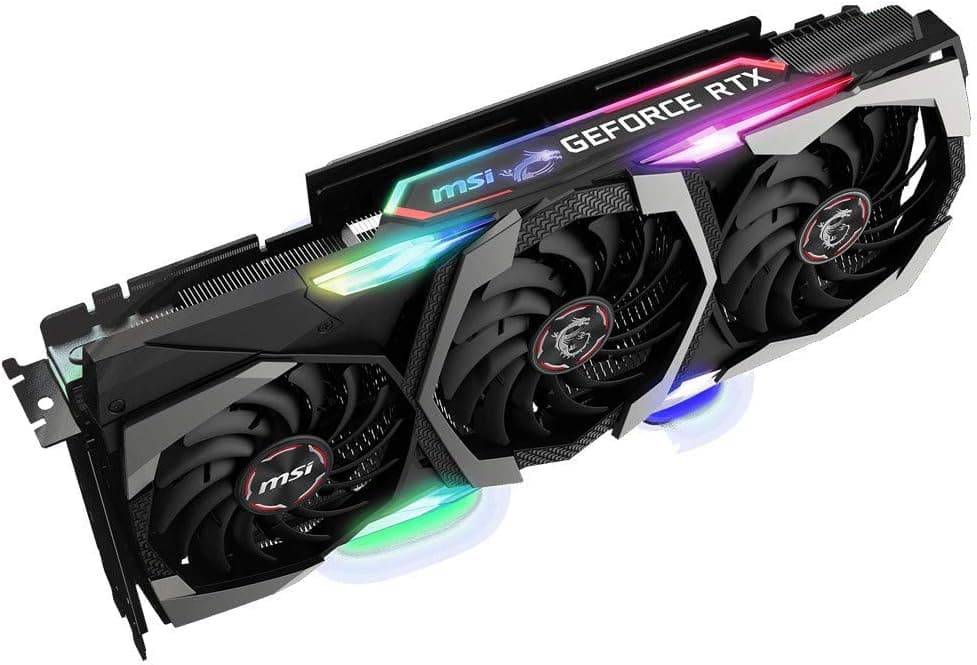
The MSI GTX 1080 TI GAMING X TRIO is a high-end graphics card based on NVIDIA's Pascal architecture. It features the GeForce GTX 1080 Ti GPU with 11GB of GDDR5X memory on a 352-bit interface, providing ample bandwidth for 4K gaming and VR content.
This card belongs to MSI's GAMING series and uses the TRIO FROZR cooling system with three fans, a large heatsink, and efficient heat pipes to maintain stable temperatures under load. Output options include two DisplayPort 1.4, two HDMI 2.0, and one DL-DVI-D, supporting up to four displays simultaneously.
Positioned as a high-end product at launch in 2017, the GTX 1080 Ti still offers raw rasterization performance that rivals modern mid-range cards like the RTX 3060. Its generous 11GB VRAM makes it particularly useful for memory-intensive workloads, though it lacks ray tracing and DLSS support.
Compatibility Guide
This card uses a PCI Express 3.0 x16 interface and works in PCIe 4.0/5.0 slots without issue. It requires two 8-pin power connectors, and a minimum 600W power supply is recommended (650W or higher for headroom).
The card measures approximately 325mm in length, so ensure your case has enough clearance. It occupies 2.5 slots, which may limit multi-GPU setups or block adjacent PCIe slots on some motherboards.
Memory is 11GB GDDR5X, supporting DirectX 12, Vulkan, and OpenGL 4.6. For 4K 60fps gaming, pair it with at least a Core i7-7700K or Ryzen 5 2600 to avoid CPU bottlenecks.
Product Info
The MSI GTX 1080 TI GAMING X TRIO launched in March 2017 with an original MSRP around $700-750. Today, it sells used for approximately $300-500 depending on condition. Warranty varies by seller; check for shop warranties when buying used.
Market positioning: high-end. It was NVIDIA's flagship consumer GPU at the time, built on the GP102 chip. While superseded by RTX cards, it remains a capable performer for traditional rasterization workloads at 1440p and even 4K with adjusted settings.
Best Use Cases
- 1440p high-refresh-rate gamers: The GTX 1080 Ti handles 1440p 144Hz in competitive titles like Valorant, Apex Legends, and Overwatch 2 with ease. However, for ray-traced AAA games, an RTX 3060 Ti or better is recommended.
- Budget-conscious creators needing VRAM: 11GB of VRAM benefits video editing and 3D modeling in CUDA-accelerated apps like Premiere Pro and Blender. But for AI/ML workloads requiring Tensor Cores, an RTX card is essential.
- Secondary PC or HTPC GPU: If you need a powerful GPU for a secondary build without breaking the bank, a used GTX 1080 Ti offers great value. Just account for its 250W TDP and ensure adequate cooling.
Things to Consider
The biggest limitation is the lack of ray tracing and DLSS support. For modern AAA titles with ray tracing, an RTX 3060 or RX 6600 XT will provide a better experience despite lower raw performance.
When buying used, verify the card's history—mining usage can degrade components. Prefer tested units from reputable sellers. Also measure your case's GPU clearance; 325mm length may not fit smaller mid-tower cases.
Compared to similarly priced modern cards, the GTX 1080 Ti often wins in pure rasterization but loses in efficiency and features. Power draw and heat output are higher, so a quality PSU and good case airflow are mandatory.
FAQ
Q: Can the GTX 1080 Ti GAMING X TRIO handle 4K gaming?
A: Yes, but with compromises. Older titles or medium settings can achieve 60fps. For demanding modern games, 1440p is a more realistic target.
Q: What power supply do I need?
A: Minimum 600W, recommended 650W or more. Ensure your PSU has two 8-pin PCIe power cables.
Q: How does it compare to an RTX 3060?
A: The GTX 1080 Ti has higher rasterization performance and more VRAM, but the RTX 3060 supports ray tracing and DLSS, and consumes less power. Choose based on your game library and priorities.
Product Disclosure (Amazon)
- Manufacturer: MSI
- Seller: KoKo-Shop
- Fulfilled by: KoKo-Shop
- ASIN: B076LWZHBK
- Note: This article covers a manufacturer-made product based on Amazon listing details.