Overview
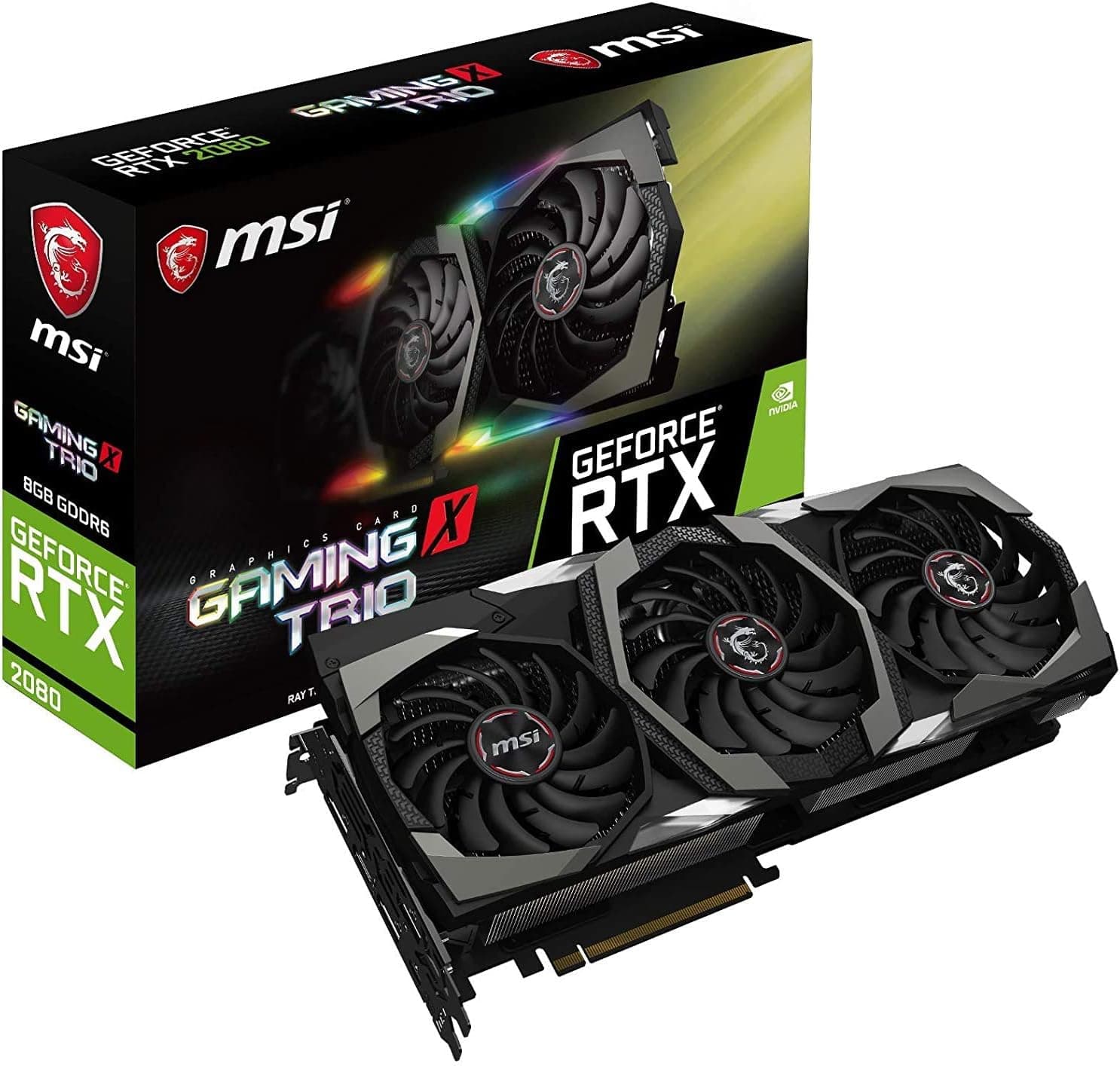
The MSI Gaming GeForce RTX 2080 8GB GDRR6 256-bit VR Ready Graphics Card (RTX 2080 Gaming X Trio) is MSI's premium take on NVIDIA's Turing-generation GeForce RTX 2080. Its main features are a triple-fan TRI-FROZR cooler and a factory overclock.
"GDRR6" in the listing title is a typo. The memory is GDDR6.
The bottom line: in 2026, this card only makes sense as a cheap, healthy used unit to upgrade an existing PC. Its 8GB of GDDR6 on a 256-bit bus (448 GB/s) still handles 1080p to 1440p well.
There is little reason left to pay close to new-card money for it. The Product Information and Before You Buy sections explain why.
On Amazon.co.jp it holds 4.3 out of 5 stars from 254 reviews (as fetched in October 2026).
Reviewers consistently praise the cooling and low noise, and the rating has held up years after launch.
Compatibility Guide
Most installation problems come from three things: the power supply, the case dimensions and the display outputs. The table sums them up, and each point is explained below.
| Check | This card | Common pitfall |
|---|---|---|
| Slot | PCIe 3.0 x16 | Works fine in PCIe 4.0/5.0 boards |
| Power connectors | 2x 8-pin | Avoid feeding both from one split cable |
| Recommended PSU | 650W or more | Factory OC model, so leave headroom |
| Power draw | 215W (reference) | Expect more on this model |
| Outputs | 3x DisplayPort, 1x HDMI, 1x USB-C (VirtualLink) | HDMI 2.0b cannot do 4K at 120Hz |
Slot and PCIe generation. The card uses PCIe 3.0 x16.
PCIe is backward compatible, so it runs normally in current PCIe 4.0/5.0 motherboards.
A card of this class is not held back by PCIe 3.0 x16 bandwidth.
Avoid secondary slots that are wired as x4 or x8, though.
Power. You need two 8-pin PCIe connectors and a PSU of 650W or more.
The 215W figure is the reference spec. This model is a factory-overclocked version that boosts to 1860 MHz (the reference RTX 2080 boosts to 1710 MHz), so it is safest to assume higher power draw.
If you are reusing an older PSU, make sure it has two separate 8-pin PCIe cables. Feeding both sockets from one daisy-chained cable can cause instability under heavy load.
Connector counts are sometimes listed differently between revisions and listings, so check the physical connectors when the card arrives.
Case clearance. The Gaming X Trio is a long triple-fan card, and it is thicker than two slots.
In compact ATX or Mini-ITX cases it can hit front radiators or drive cages. Before buying, check the card's length and thickness on the product page and compare them with your case's maximum GPU length.
It is a heavy card, so a support bracket reduces strain on the slot over time.
Outputs. Use DisplayPort for 4K at 120Hz or more and for high-refresh 1440p monitors.
The HDMI port is 2.0b, so 4K tops out at 60Hz over HDMI.
The USB-C (VirtualLink) port was meant to connect VR headsets with a single cable, but the standard never caught on. Current headsets almost never need it.
OS and drivers. The card supports 64-bit Windows 10 and 11, and drivers can be managed with NVIDIA's official drivers or GeForce Experience (now replaced by the NVIDIA App).
NVIDIA ends driver support one generation at a time, starting with the oldest. In 2025 it announced the end of Game Ready drivers for Pascal and older.
Turing will eventually follow, so think about how many years you plan to use the card.
Multi-GPU. The RTX 2080 chip supports NVLink, but the bridge is sold separately.
Almost no modern games support two cards, so do not buy this with a dual-card setup in mind.
Product Info
rmation
Key specifications:
| Item | Value |
|---|---|
| Video memory | 8GB GDDR6 |
| Memory bus | 256-bit |
| Memory bandwidth | 448 GB/s |
| Boost clock | 1860 MHz |
| CUDA cores | 2944 |
| RT cores | 46 |
| Tensor cores | 368 |
| TDP | 215W (reference) |
| Interface | PCIe 3.0 x16 |
The card launched in September 2018 with an MSRP of around $700. The RTX 2080 sat one step below the flagship RTX 2080 Ti and targeted 4K at 60fps and high-refresh 1440p gaming.
It belongs to the first RTX generation: its 46 RT cores handle hardware ray tracing and its 368 Tensor cores enable DLSS.
The TRI-FROZR cooler pairs three fans with a large heatsink. The fans stop at low load, and the cooler is known for a good balance of low noise and strong cooling.
The box includes a quick installation guide, power adapter cables and a driver DVD. How the manufacturer warranty applies depends on when and where the card was bought.
On price: as fetched in October 2026, the Amazon.co.jp listing price was ¥104,731, sold and shipped by the marketplace seller FARMERS STORE.
That is roughly the same as the card's launch price. Prices change a lot with stock and seller, so check the product page for the current price.
Used prices also vary widely by timing and condition, so this article does not quote a specific figure.
Is It Worth Buying in 2026? (Comparison with Other Generations)
Whether this card is a good buy depends almost entirely on what you pay for it. Its performance still covers 1080p at high settings and 1440p well.
With 2944 CUDA cores and 448 GB/s of bandwidth, it holds its own against entry-level and mid-range GPUs.
The generation gap shows up clearly in three areas:
- No frame generation. DLSS upscaling (super resolution) works on Turing. Frame generation, introduced with the RTX 40 series, does not. In recent demanding games this makes a large difference in smoothness.
- 8GB of VRAM runs out easily. At launch it was enough even for 4K, but recent big releases can fill 8GB with high-resolution textures. 4K at maximum settings is not realistic. Plan on 1440p or lower, or lower texture quality.
- Poor power efficiency. Newer generations deliver the same performance with less power and heat. Whether you would also need a new PSU is worth factoring into the comparison.
If you are buying new with a similar budget, look first at mid-range RTX 50 cards such as the RTX 5060 or RTX 5070. If you see this card as a cheap ex-flagship option, used Ampere cards like the RTX 3070 and RTX 3080 are its direct rivals.
The previous-generation card in the same Gaming X Trio line is the GTX 1080 Ti, which has more VRAM (11GB) but supports neither DLSS nor ray tracing.
Who Should Buy
- People upgrading an existing PC on a budget. Coming from a GTX 10 series card or older, a healthy used unit at a good price is a big step up, especially with DLSS support.
- 1080p to 1440p gamers. It could hit 4K at 60fps in games from its launch era, but today 1440p or lower with DLSS is the sweet spot.
- VR players. The card is VR Ready certified. It met the requirements of PC VR headsets of its time, such as the Oculus Rift and HTC Vive, and still has enough performance for current headsets connected to a PC.
- Light CUDA-based creative work. Its 2944 CUDA cores and 368 Tensor cores speed up video effects and 3D rendering on the GPU. Its 8GB of VRAM limits larger AI workloads, though.
On the other hand, it is a poor fit if you want the latest ray tracing or frame generation, want low power draw and heat, or plan to keep the card for five years or more. An RTX 40/50 card will serve you better.
Before You Buy
Paying near-new prices is poor value. The ¥104,731 Amazon listing price seen in October 2026 is about what the card cost at launch in 2018.
That budget gets you a newer GPU with frame generation and better efficiency. Unless you have a specific reason, such as replacing a card in an identical build or collecting, buying at that price is hard to justify.
Check the condition of any used card. The card is almost eight years old.
Used units may have worn fan bearings, dried-out thermal pads or paste, or a history of heavy mining. Look for confirmed working condition, clear return terms and photos of the fans, heatsink and connectors (chipped fan blades, bent fins, scorch marks).
Assume the manufacturer warranty has expired and prefer sellers who offer their own warranty.
The seller is a marketplace vendor. On the Amazon.co.jp product page, the card is sold and shipped by FARMERS STORE (as fetched).
Before ordering, check the seller's description to see whether the unit is new, used or a parallel import, and whether it comes with a Japanese distributor warranty. In the pricing data, the entry labeled "Amazon US" also pointed to the same Japanese Amazon page.
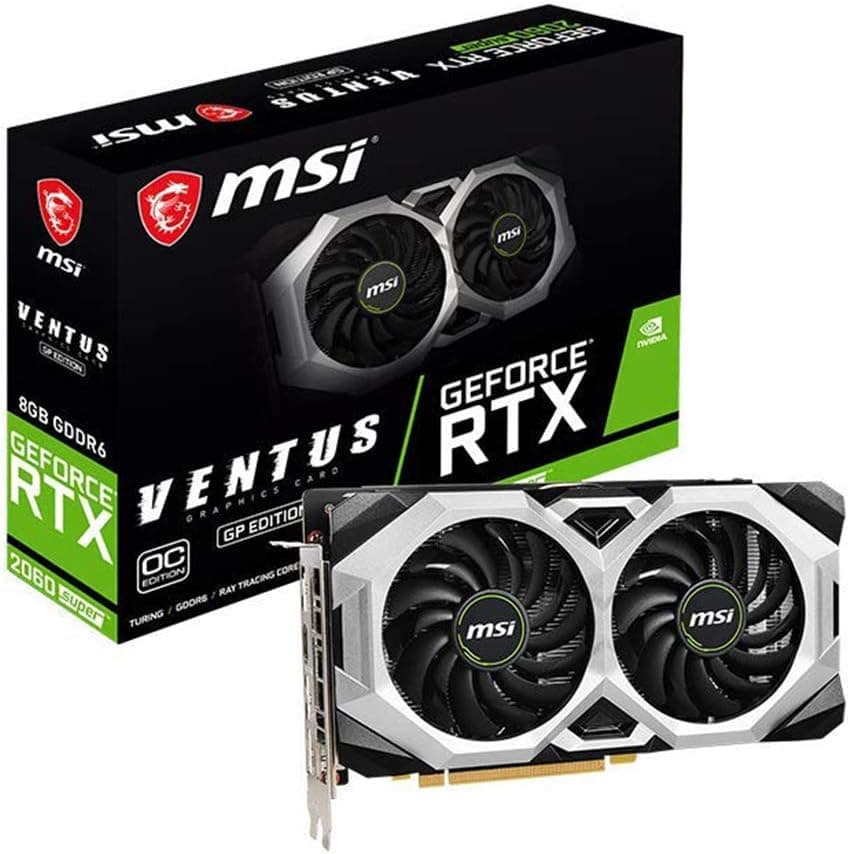
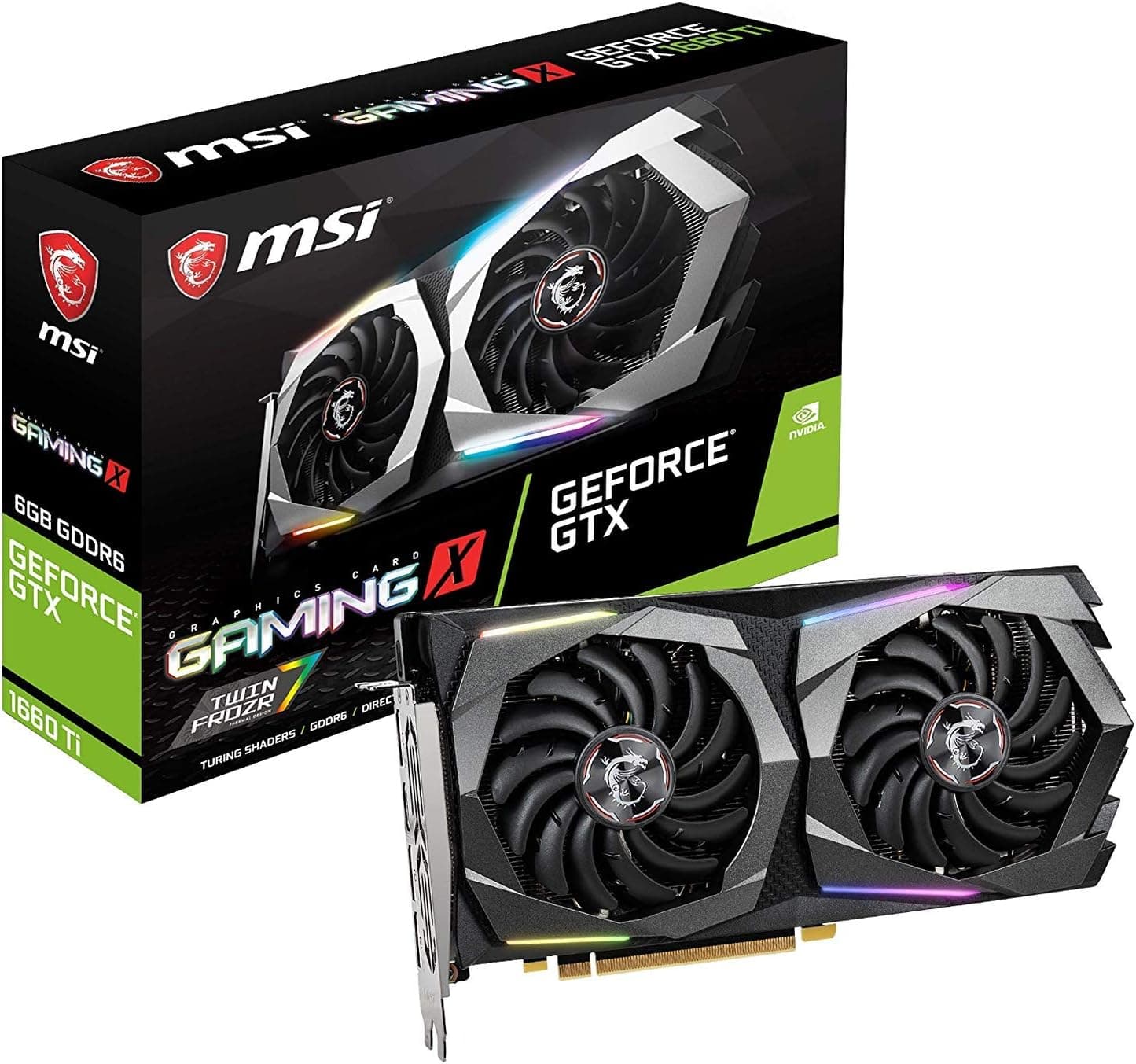
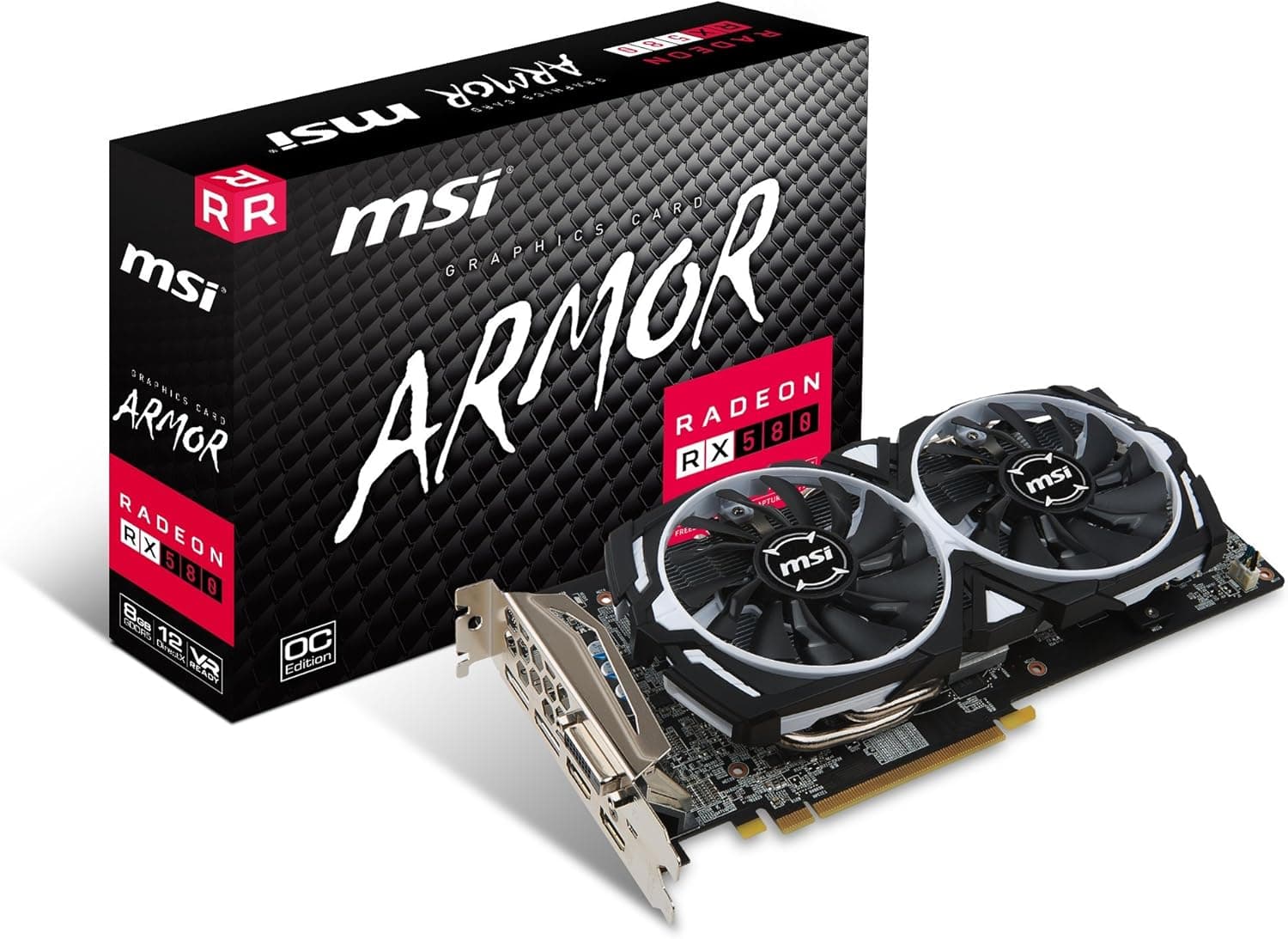
Listing details for this product are prone to mix-ups, so confirm the product from its images and title before you order.
Common misconceptions:
- A "4K" label does not mean recent demanding games will run smoothly at 4K maximum settings.
- The USB-C port is generally not used to connect current VR headsets.
- Despite the RTX name, the card does not support DLSS frame generation.
- A PSU rated at 650W or more still won't work if it lacks two 8-pin PCIe connectors.
FAQ
Q. Does it work in a PCIe 4.0 or 5.0 motherboard? A.
Yes. PCIe is backward compatible, and the card runs at PCIe 3.0 x16.
A card of this class loses essentially no performance to bandwidth.
Q. What PSU wattage do I need? A.
650W or more is recommended, with two 8-pin PCIe connectors. If you pair it with a high-end CPU, a 750W unit gives you more headroom.
Q. Can I use DLSS?
A. DLSS upscaling (super resolution) works. Frame generation from the RTX 40 series onward is not supported.
Q. Is it good for 4K gaming? A.
Games from its launch era could reach 4K at 60fps, but recent big releases can exceed its 8GB of VRAM and processing power. Plan on 1440p or lower, or rely on DLSS and lower settings.
Q. What should I check when buying used? A.
Look for confirmed working condition, return terms, fan noise, and the state of the heatsink and connectors. Assume the manufacturer warranty has expired and choose a unit with a seller warranty.
Product Disclosure (Amazon)
- Manufacturer: MSI
- Seller: FARMERS STORE
- Fulfilled by: FARMERS STORE
- ASIN: B07GHXQTGZ
- Note: This article covers a manufacturer-made product based on Amazon listing details.