Overview
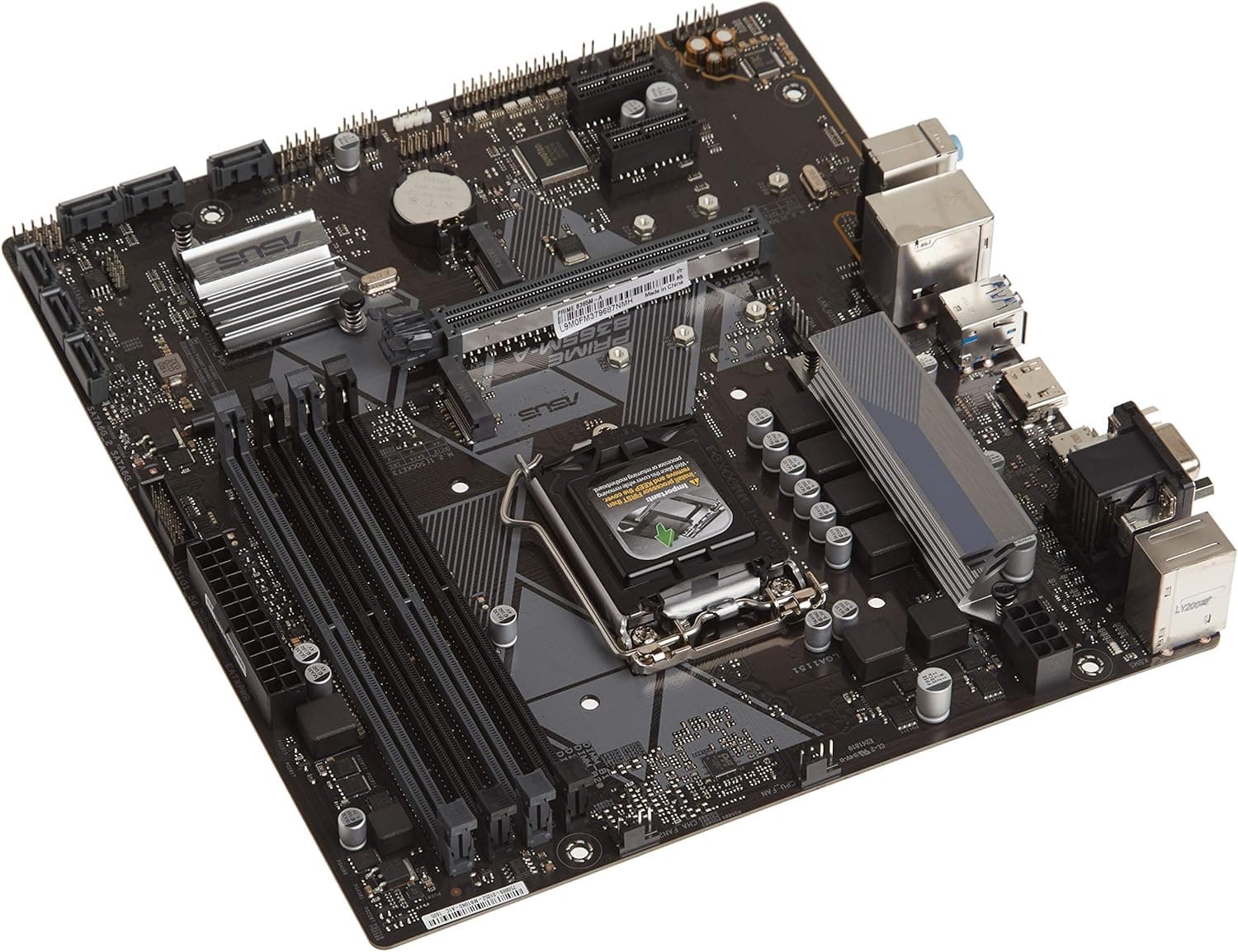
The Biostar TB250-BTC is an ATX motherboard built around the Intel B250 chipset, featuring the LGA1151 socket. It supports Intel 6th-gen (Skylake) and 7th-gen (Kaby Lake) Core processors, and offers up to 32GB of DDR4 memory across four DIMM slots.
What sets this board apart is its 12 PCI Express slots: eleven x1 slots and one x16 slot. This design makes it an excellent choice for multi-GPU configurations, whether you're building a budget gaming rig with multiple older graphics cards, or setting up a cryptocurrency mining farm. The board's ATX form factor ensures compatibility with most standard PC cases.
Priced around ¥39,500 (as of September 2026), the TB250-BTC occupies the entry-level to mid-range segment. While the platform is older, the availability of affordable second-hand CPUs and DDR4 memory makes it a cost-effective option for builders who value expandability over raw single-thread performance.
Compatibility Guide
- CPU Socket: LGA1151. Works with Intel Core i3/i5/i7 6th-gen (Skylake) and 7th-gen (Kaby Lake) CPUs. Do not attempt to install 8th-gen (Coffee Lake) or newer processors.
- Memory: DDR4-2400/2133, max 32GB (4x8GB). 16GB (2x8GB) is sufficient for most gaming; 32GB prepares you for more demanding tasks.
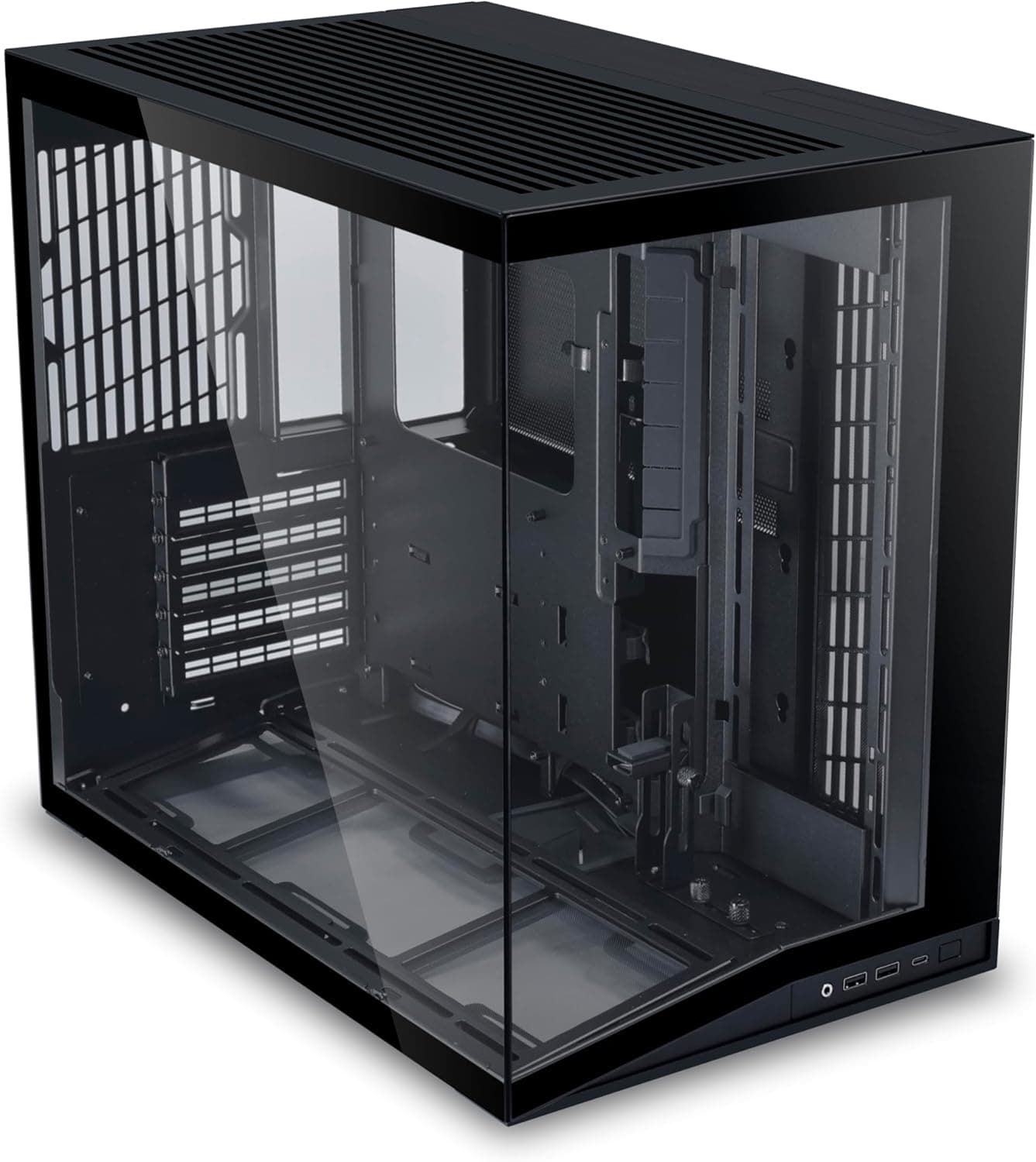
- Form Factor: ATX, compatible with most mid-tower and full-tower cases. However, if you populate all 12 PCIe slots, you'll need a case with ample clearance and good airflow.
- Storage: SATA 6Gbps ports are available, but there is no onboard M.2 slot. For NVMe SSDs, a PCIe adapter card is required.
- Power: The motherboard itself draws little, but a multi-GPU build demands a high-wattage PSU (750W or more). For a single-GPU gaming build, 500W is adequate.
Product Info
The Biostar TB250-BTC launched around 2017 with the Intel B250 chipset. It targets users who need many PCIe slots, particularly for multi-GPU gaming or mining. Warranty varies by retailer (typically 1-3 years). Availability is mostly through online marketplaces like Yahoo! Shopping and online retailers.
Positioned as entry-level to mid-range, this board provides 20 PCIe 3.0 lanes from the chipset. The twelve slots are configured as 11x PCIe x1 and 1x PCIe x16. While the x1 slots suffice for mining or non-gaming compute tasks, using them for gaming may cause bandwidth bottlenecks.
Best Use Cases
- Budget Multi-GPU Gaming Enthusiasts: If you have a collection of older GPUs and want to experiment with SLI or CrossFire on a tight budget, the TB250-BTC's slot count is appealing. However, a single modern high-end GPU often outperforms multiple older cards.
- Cryptocurrency Miners: The board was originally designed with mining in mind. Up to 11 GPUs can be connected, making it suitable for ETH (now obsolete) or other PoW coins. Factor in electricity, noise, and cooling before committing.
- First-Time PC Builders on a Tight Budget: LGA1151 CPUs and DDR4 RAM are cheap on the used market, allowing a very low-cost entry into DIY. But be aware of limitations like the lack of M.2 and older chipset features.
Things to Consider
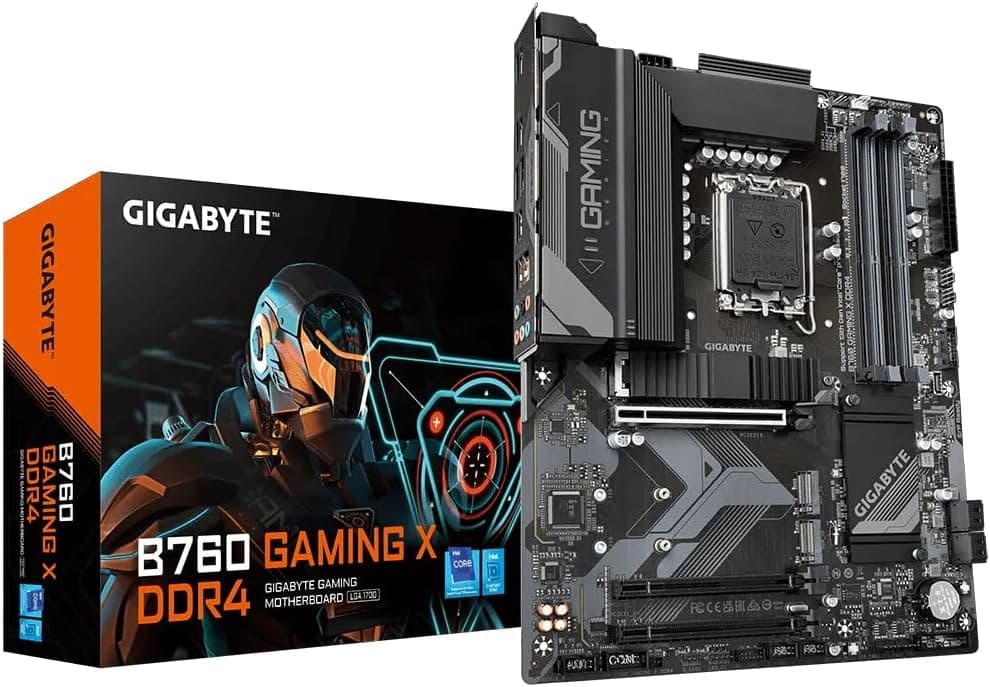
This board is based on an older platform, so it lacks modern conveniences such as M.2 NVMe support, USB 3.2 Gen 2, or PCIe 4.0. If you need blazing-fast storage or the latest connectivity, look at a newer chipset like B760 or X670.
The price of around ¥39,500 is relatively high compared to brand-new B660/B760 boards that offer better features. The main value proposition is purely the 12-slot count; if you aren't using that many GPUs, you're better off with a more modern motherboard.
Additionally, using the x1 slots for gaming GPUs can severely limit performance (especially with modern titles). For serious gaming, stick to the single x16 slot and consider a standard motherboard with multiple x16 slots instead.
FAQ
Q: Can I use an Intel Core i5-12400 (12th-gen) with this motherboard?
A: No. The TB250-BTC has an LGA1151 socket and only supports 6th-gen and 7th-gen CPUs. The i5-12400 uses LGA1700 and is physically incompatible.
Q: How many graphics cards can I install?
A: Up to 11 GPUs (11 x1 slots + 1 x16 slot). However, the x1 slots have limited bandwidth (PCIe 3.0 x1), which may choke gaming performance. For mining or compute tasks, they work fine.
Q: Is this motherboard good for a single-GPU gaming PC?
A: It works, but you'll miss out on modern features like M.2 SSDs and faster USB. A newer B660/B760 board offers better value and performance for a similar price. Only choose the TB250-BTC if you specifically need its multi-GPU capability.