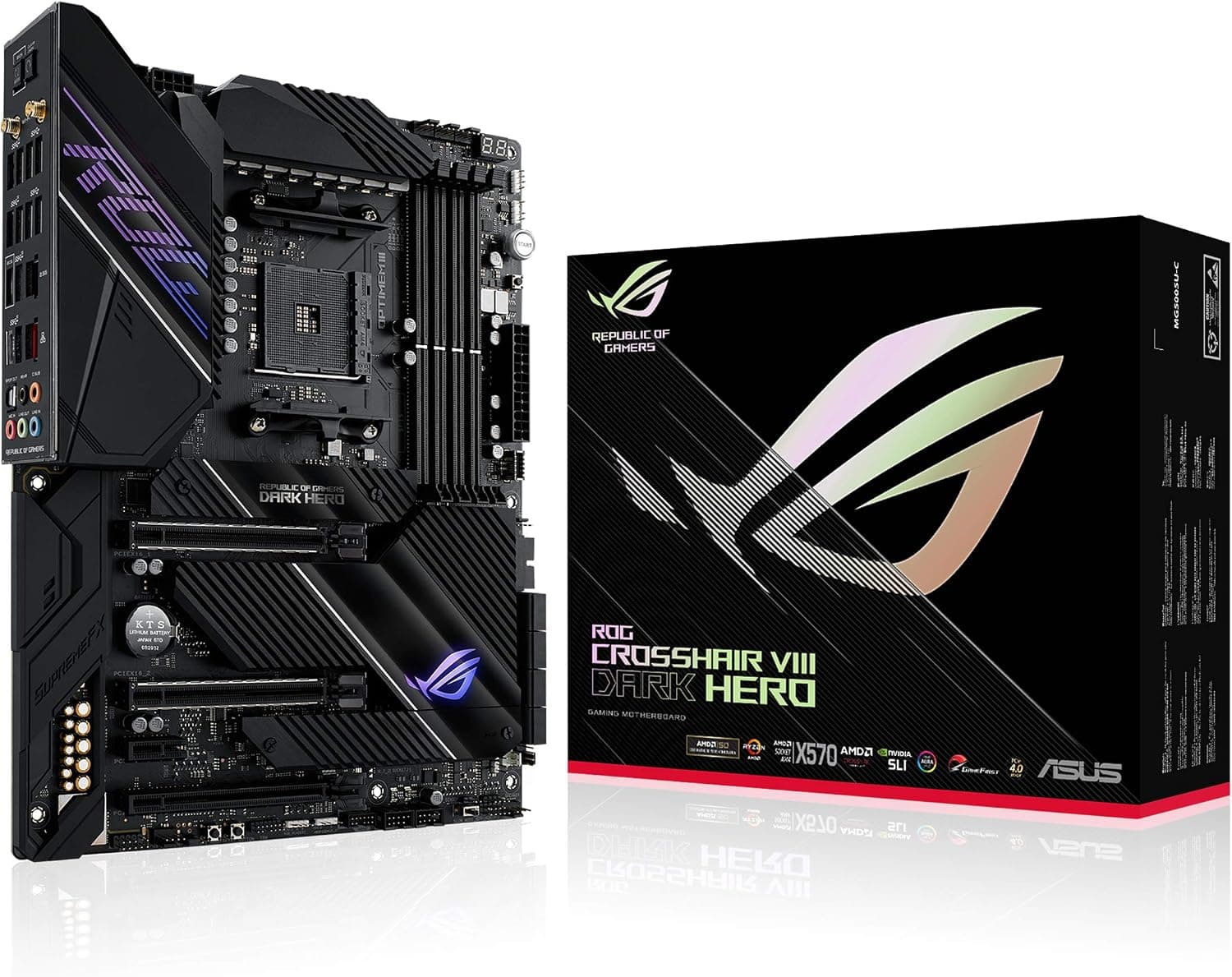
This article covers ASUS ROG Crosshair VIII Hero X570 ATXマザーボード PCIe 4.0 内蔵 2.5 Gbps LAN USB 3.2 SATA M.2 ノードとオーラ同期RGB照明.
Overview
The ASUS ROG Crosshair VIII Hero X570 is a high-end ATX motherboard built for AMD Ryzen processors. Featuring the X570 chipset, it unlocks PCIe 4.0 support for the latest graphics cards and NVMe SSDs, delivering maximum bandwidth. Dual networking with 2.5Gb LAN and Gigabit LAN, along with Aura Sync RGB lighting, make it a versatile choice for enthusiasts.
This motherboard supports 2nd and 3rd Gen Ryzen CPUs (including Ryzen 5000 series with a BIOS update), four DDR4 DIMM slots for up to 128GB of memory, and a comprehensive cooling solution with an active PCH heatsink and M.2 aluminum heatsinks. It's designed to handle sustained heavy workloads without thermal throttling.
Positioned firmly in the high-end segment, the Crosshair VIII Hero competes with other flagship X570 boards. It excels in overclocking features, audio quality (SupremeFX S1220), and build quality, making it a top pick for gamers and power users who want the best from the AM4 platform.
Compatibility Guide
CPU socket: AM4, compatible with AMD Ryzen 2000, 3000, and 5000 series. For Ryzen 5000, ensure the BIOS is updated to at least version 4007. Memory: DDR4 DIMM, up to 128GB (4 slots), XMP 2.0 support. Form factor: standard ATX, fits most mid-tower and full-tower cases.
PCIe slots: two PCIe 4.0 x16 (one runs at x8 when second slot is populated), one PCIe 4.0 x1, and one PCIe 3.0 x16 (x4 mode). Supports NVIDIA SLI and AMD CrossFireX. Storage: two M.2 slots (both PCIe 4.0 x4), eight SATA 6Gb/s ports. USB: multiple USB 3.2 Gen2 ports including Type-A and Type-C.
Power connectors: 24-pin ATX, 8-pin EPS (plus optional 4-pin). Recommended PSU wattage: 650W or higher for a typical high-end build.
Product Info
Released in mid-2019, this motherboard remains a popular choice. Pricing in Japan is around ¥100,000–¥110,000 depending on the retailer. Warranty: 3 years (ASUS standard).
Market positioning: high-end. The X570 chipset provides PCIe 4.0, dual LAN, premium audio, and extensive overclocking tools. It's aimed at enthusiasts who want the full feature set of the AM4 platform without compromise.
Best Use Cases
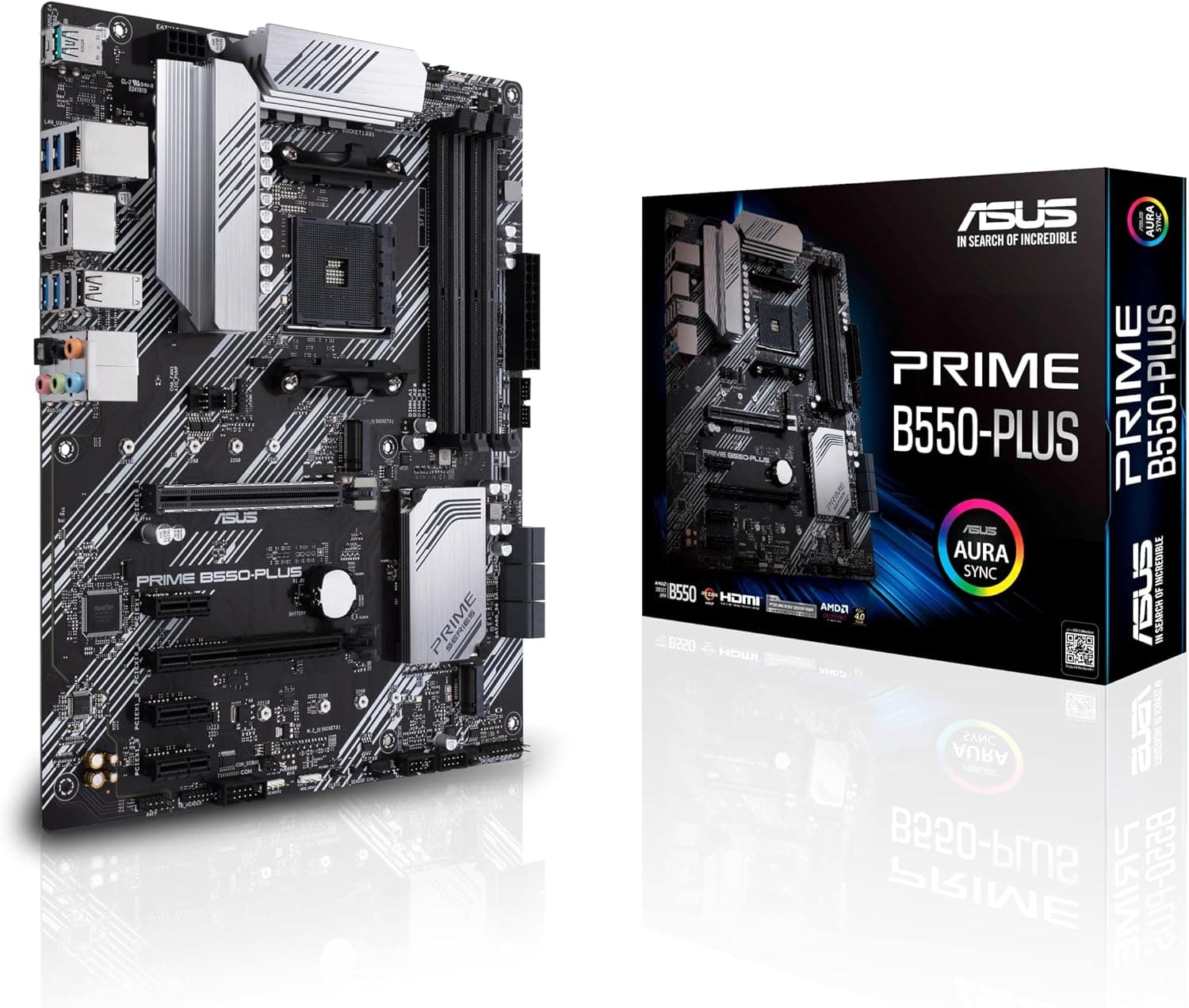
- High-End Gaming: Pair with a PCIe 4.0 GPU (e.g., RTX 4080) for maximum frame rates. Dual LAN reduces latency in competitive online games. However, if you're on a budget or using a mid-range GPU, a B550 board may be more cost-effective.
- Overclocking Enthusiasts: The 14+2 power stage VRM and ProCool II connectors provide clean power delivery for Ryzen 9 CPUs. BIOS Flashback and extensive UEFI options make tuning easy. Not recommended for users who don't overclock, as the premium features go unused.
- Content Creators: Multiple PCIe 4.0 M.2 slots enable fast storage for video editing and 3D rendering. The high-quality audio also benefits audio production. For heavy workstation tasks, consider a TRX40 platform instead.
- Long-Term Build: AM4's final chipset, X570, supports Ryzen 5000 series, offering a clear upgrade path. If you plan to keep your system for 4-5 years, this board future-proofs your PCIe 4.0 investment.
Things to Consider
This is a premium motherboard with a premium price. If your budget is tight, B550 or B450 boards provide similar performance for less. The X570 chipset has an active fan; while it's generally quiet, it may be audible in a silent PC build. Recent revisions have improved fan control.
When using a Ryzen 5000 CPU, a BIOS update is likely required. Check for a "Ryzen 5000 Ready" sticker on the box or ask the retailer. If you don't need PCIe 4.0, the extra cost over B550 is hard to justify.
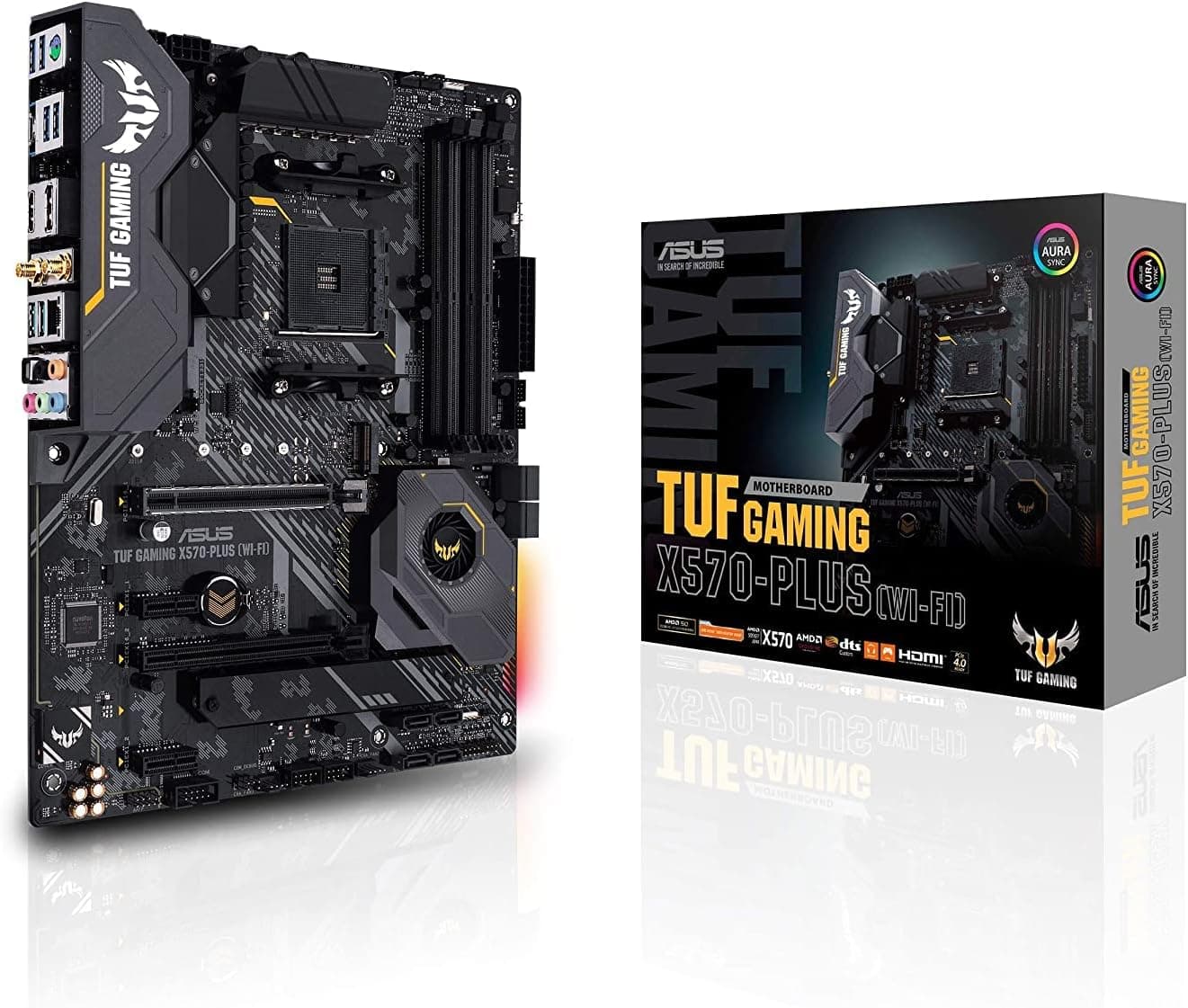
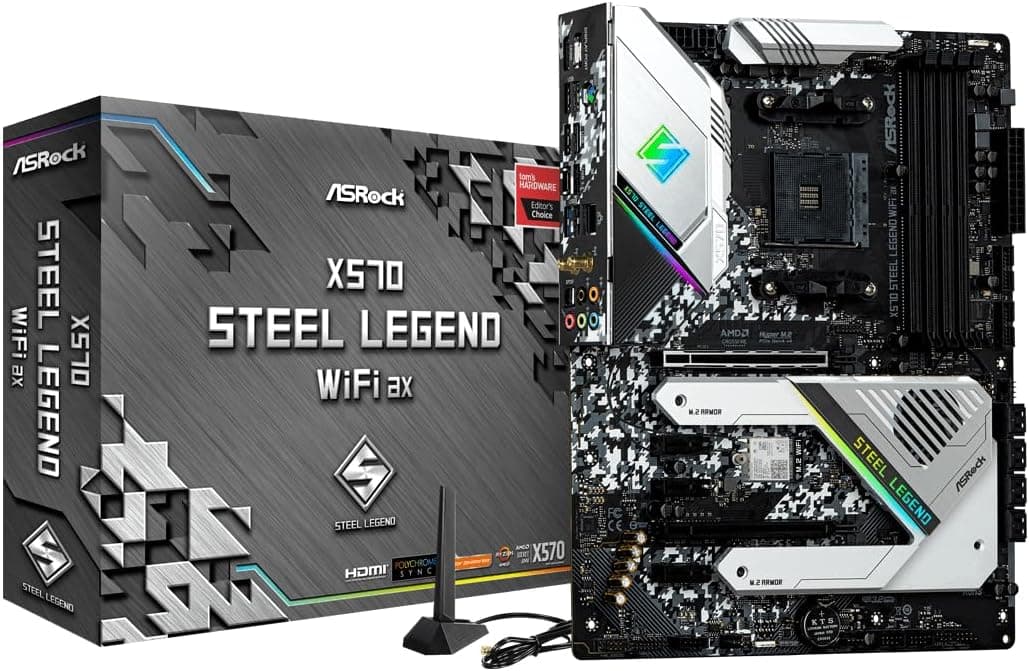
Competitors include the GIGABYTE X570 AORUS MASTER and MSI MEG X570 UNIFY. The ASUS board stands out for its RGB ecosystem and audio, but it's often priced higher.
FAQ
Q: Can I use this motherboard with a Ryzen 7 5800X3D?
A: Yes, with BIOS version 4007 or later. Note that the 5800X3D has limited overclocking, so the board's overclocking features won't be fully utilized.
Q: Will using two PCIe 4.0 M.2 SSDs affect the GPU's PCIe lanes?
A: No. The GPU uses CPU-attached PCIe 4.0 x16 lanes, while the M.2 slots are chipset-attached (one is CPU-attached, but the other is chipset). GPU bandwidth remains unaffected.
Q: Does this board support DDR4-3600MHz memory?
A: Officially supports DDR4-3600MHz (OC) via XMP. Stability depends on the CPU's memory controller; check the QVL list for recommended modules.
Product Disclosure (Amazon)
- Manufacturer: ASUS
- Seller: APOLO1969【適格請求書発行事業者】
- Fulfilled by: APOLO1969【適格請求書発行事業者】
- ASIN: B07SYW3RT2
- Note: This article covers a manufacturer-made product based on Amazon listing details.