Overview
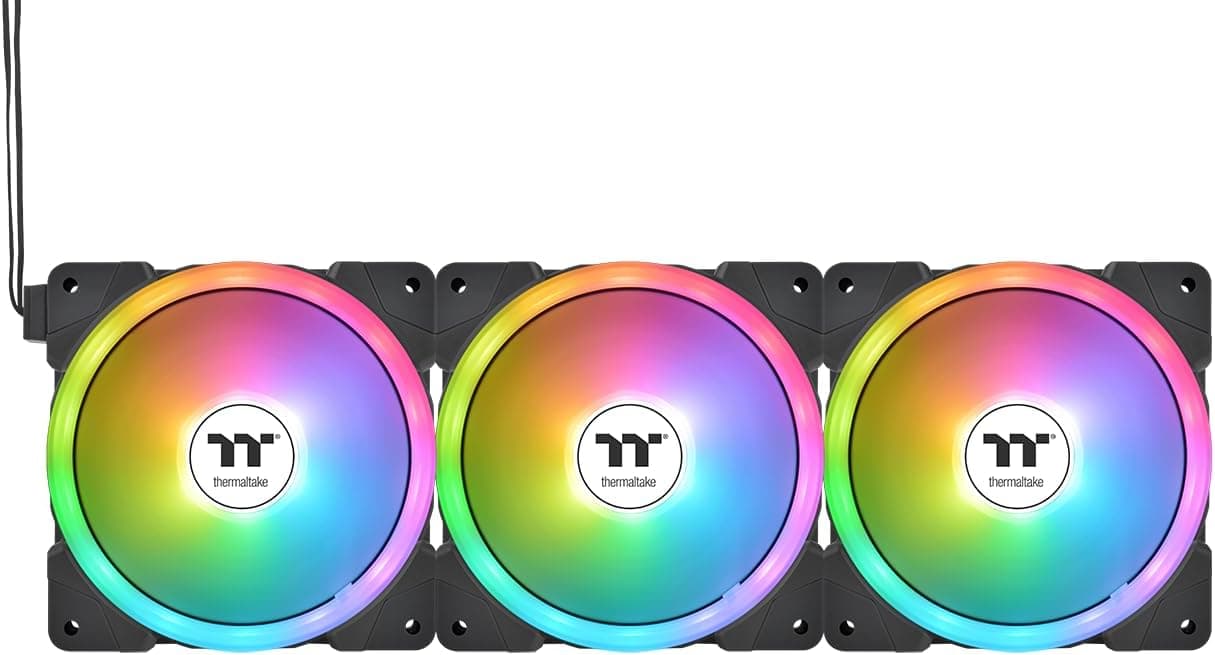
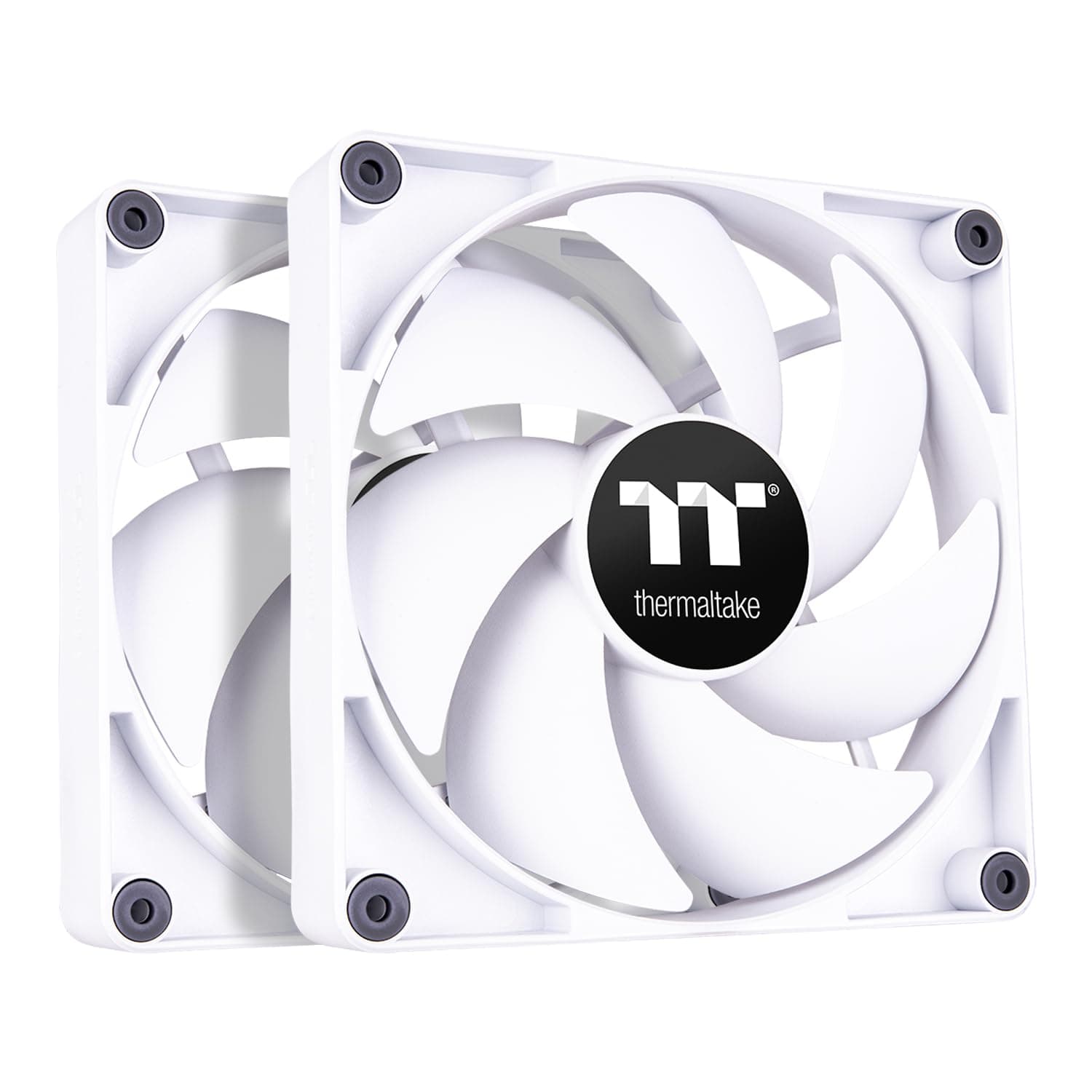
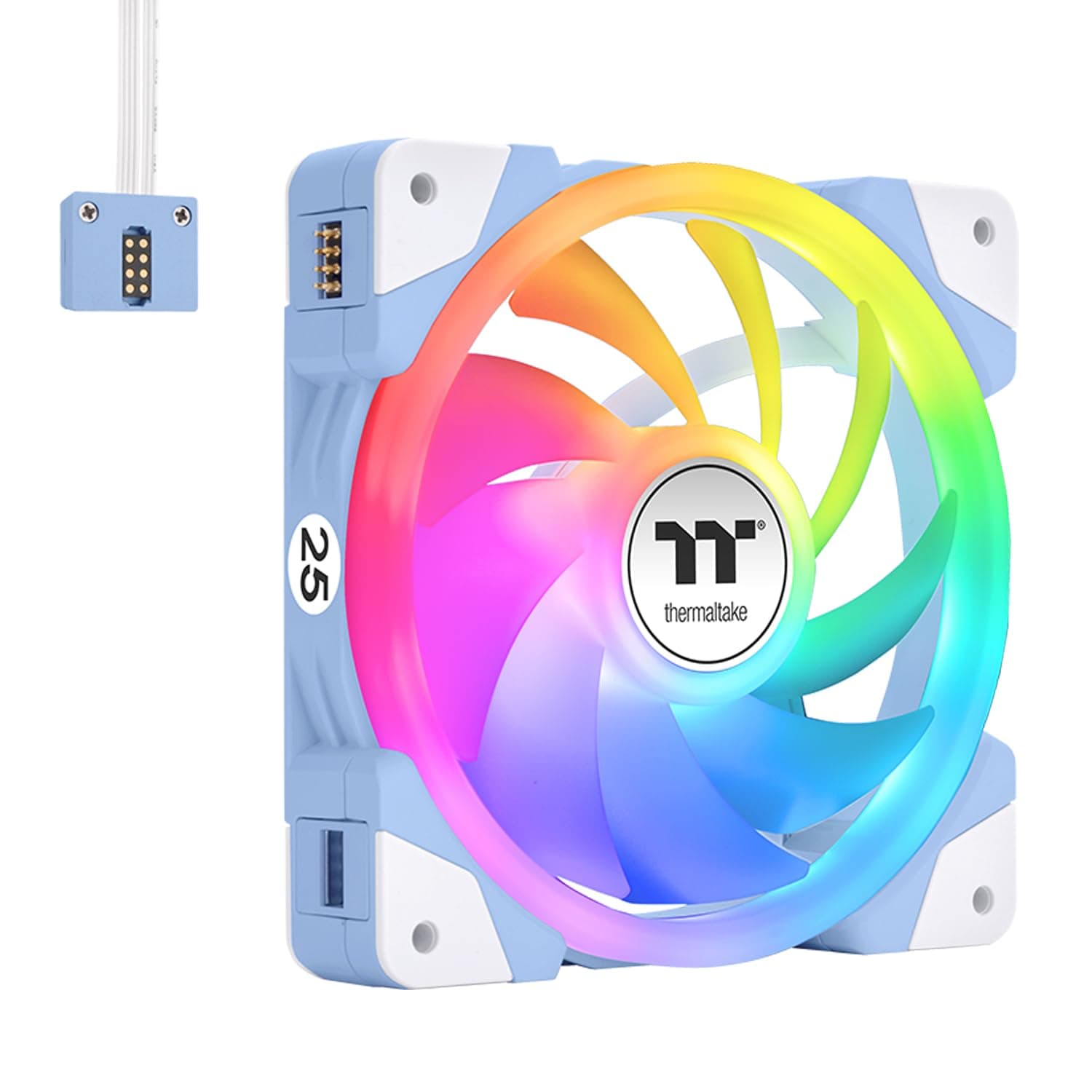
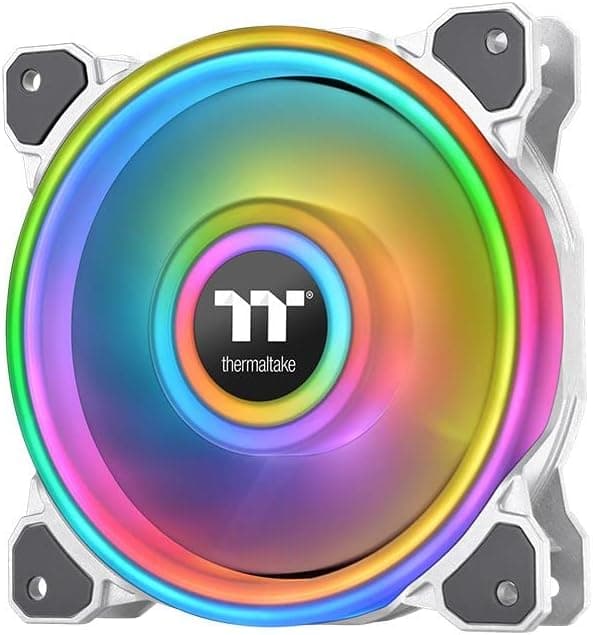
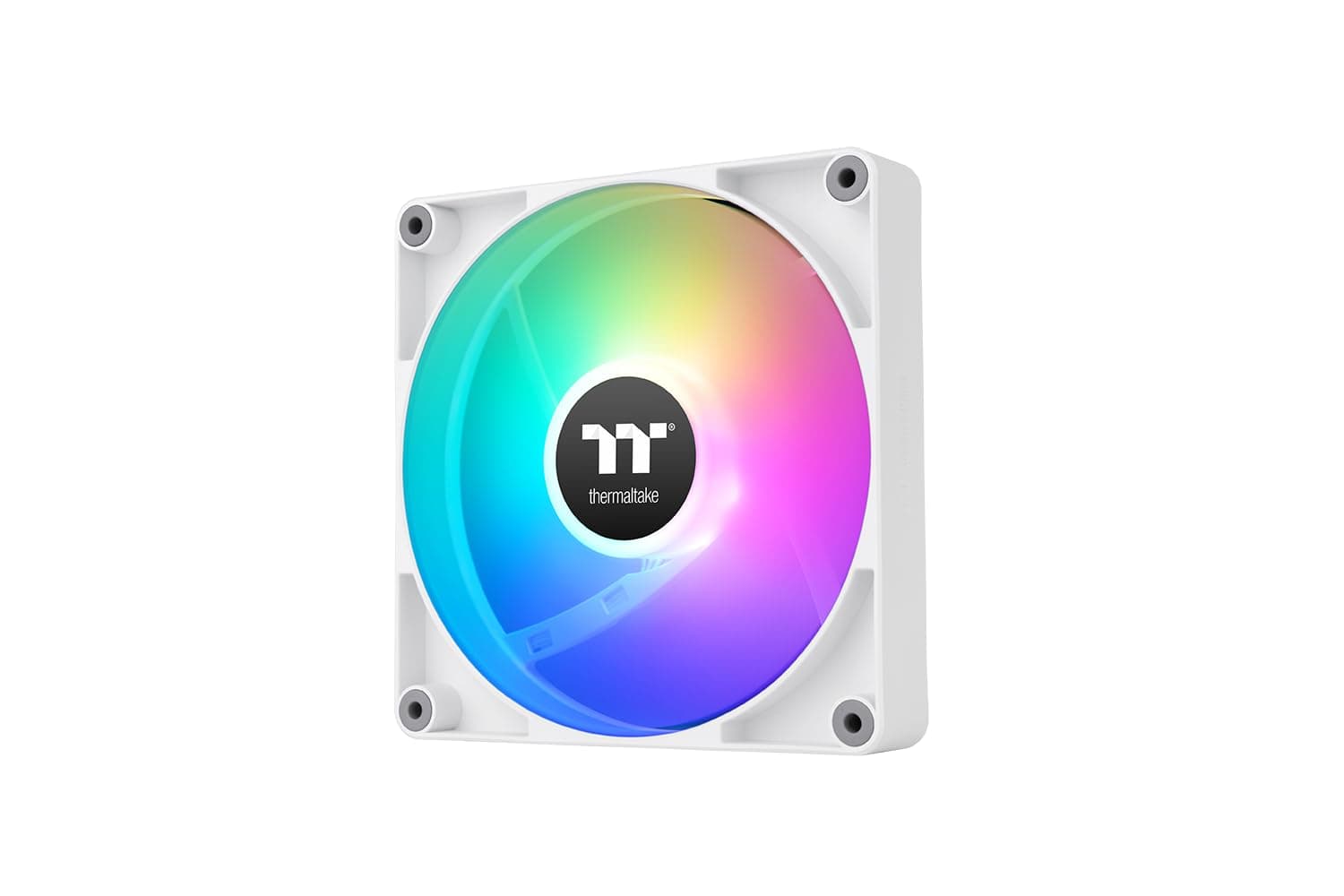
With a white aesthetic and dual infinity mirror ARGB lighting on both the hub and frame, this set delivers stunning visual effects from any viewing angle. The standout innovation is the ability to swap blades to reverse airflow direction without removing the fan from the case—keeping the illuminated side always facing outward. Standard blades produce 85.2 CFM at 2.75 mmH2O static pressure, while reverse blades offer 81.6 CFM at 2.67 mmH2O. The 28mm thickness provides better static pressure than typical 25mm fans, making them suitable for radiators and restricted airflow environments. Positioned in the mid-to-high-end market, these fans appeal to builders who value both aesthetics and performance.
Compatibility Guide
The fans fit standard 140mm fan mounting holes and are compatible with most ATX, MicroATX, and Mini-ITX cases. However, due to the 28mm thickness, check for clearance issues, especially in smaller cases or when mounting next to thick radiators. Power is supplied via a standard 4-pin PWM connector, and ARGB control requires a 5V 3-pin ARGB header on your motherboard. Older motherboards with only 12V RGB headers will not work without an additional controller. The MagForce 2.0 magnetic connection allows multiple fans to be linked with a single cable: only the first fan needs to be connected to a motherboard header; subsequent fans attach magnetically. The included accessories—cables, screws, and even lubricant—support a smooth installation.
Product Info
Released in late 2024, the 3-pack carries a retail price of around ¥16,000 (approximately $110 USD). Warranty is 2 years from Thermaltake. Available through online retailers and major PC component retailers. Market positioning is mid-to-high-end, justified by the unique swappable blade mechanism and magnetic daisy-chain capability. Compared to other 140mm ARGB fans, this kit includes both standard and reverse blades out of the box, saving the cost of buying separate reversed models.
Best Use Cases
First, enthusiasts building visually striking PCs will love the dual infinity mirror ARGB lighting. The ability to keep the illuminated side always outward while changing airflow direction is a game-changer for show builds. Second, gamers with high-TDP components benefit from the 28mm thickness and high static pressure, which ensure efficient cooling through radiators or dense case interiors. Third, modders who frequently reconfigure airflow layouts will appreciate the tool-less blade swap and magnetic linking—no need to unmount fans when changing intake/exhaust patterns. However, silence-oriented users may find the reverse blade noise (34.5 dBA) too high for quiet operation. Budget-conscious builders might prefer single fan packs or simpler fan models.
Things to Consider
The 28mm thickness may cause clearance issues in cases with limited fan mounting depth (e.g., some compact Micro-ATX cases or behind motherboard trays). Always measure before buying. The ARGB control relies on a 5V 3-pin header; if your motherboard only has 12V RGB headers, you'll need to factor in the cost of an ARGB controller. Noise jumps from 28.1 dBA (standard) to 34.5 dBA (reverse), so if you plan to use all three fans in reverse (exhaust) mode, be aware of the increased audibility. Competitors like Noctua NF-A14 offer lower noise and longer warranty, while Corsair LL140 delivers different lighting patterns. The SWAFAN 140 EX's advantage lies in its versatility and convenience.
FAQ
Q: Can these fans be used on a radiator?
A: Yes, they are compatible with 140mm radiators. However, the combined thickness (fan 28mm + radiator) may exceed 65mm, which could cause clearance issues in some cases. Verify your case's radiator clearance.
Q: How does the magnetic daisy-chain work?
A: The first fan connects to a motherboard header via cable. Subsequent fans snap onto the first fan using strong magnets. Only one cable path is needed for up to three fans, simplifying cable management.
Q: Are the reverse blades worth the extra noise?
A: If you need exhaust airflow but want the ARGB lighting to face outward, the reverse blades are invaluable. The noise increase is noticeable but acceptable for most gaming or general-use builds. For pure silence, consider using standard blades in an intake configuration facing outward.