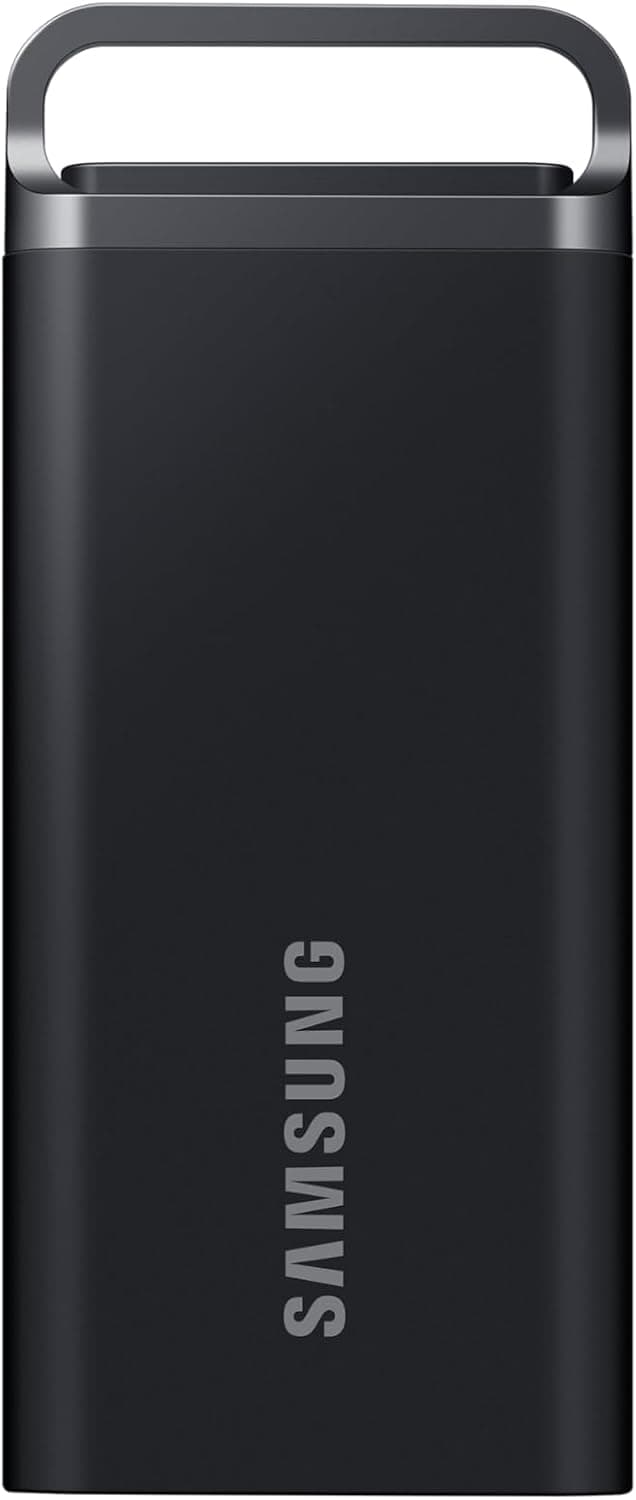
This article covers Lufasnd (ルファスンド) 内蔵型 4TB SATA SSD 2.5インチ SSD SATA III 6Gb.
Overview
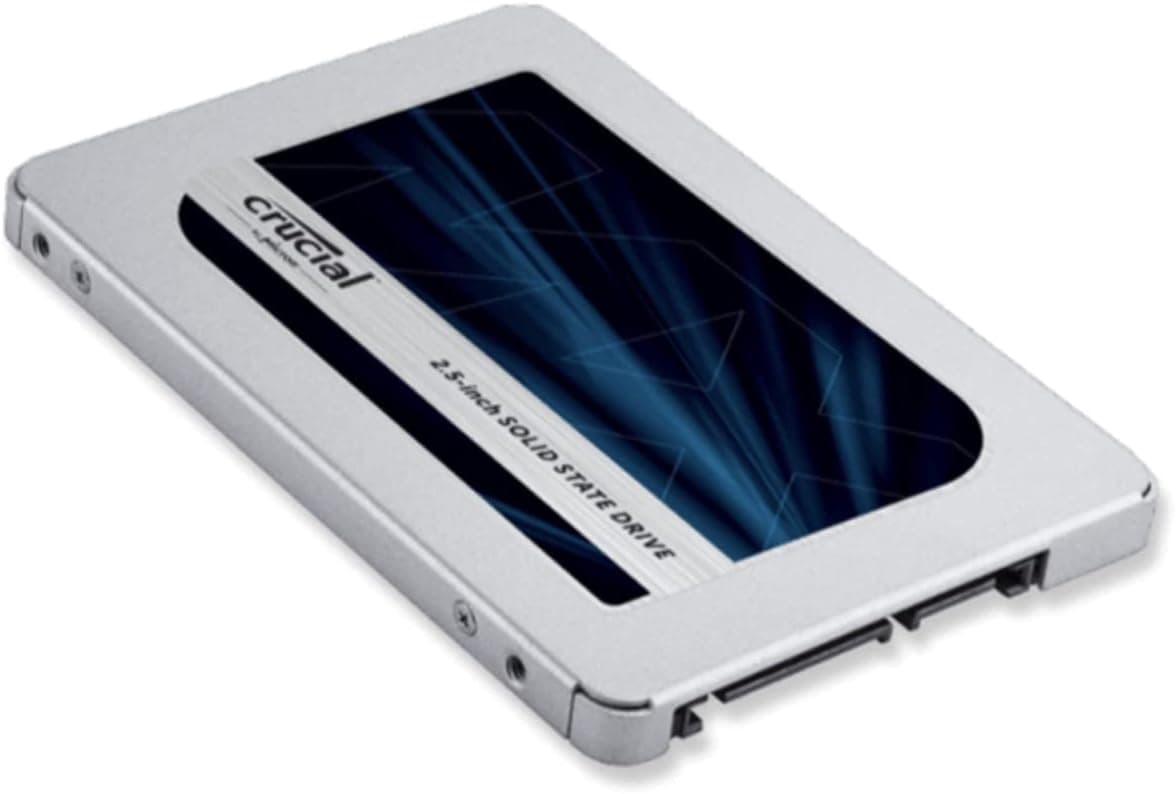
The Lufasnd 4TB SATA SSD is a straightforward, high-capacity storage upgrade for aging PCs and laptops that still rely on SATA connections. With a slim 7mm 2.5-inch form factor, it fits into most notebooks and desktop drive bays without any modification. Sequential read speeds reach up to 520MB/s and writes up to 500MB/s, fully saturating the SATA III 6Gb/s interface. Inside, the drive uses 3D NAND TLC flash memory, which offers better endurance than cheaper QLC alternatives. The solid-state design means zero moving parts, resulting in silent operation and significantly lower power consumption compared to traditional hard drives. This makes it an excellent choice for extending battery life in laptops or reducing heat in compact builds. Positioned as an entry-to-mid-range product, the Lufasnd 4TB SSD targets users who need massive storage without breaking the bank. It's ideal for replacing an old HDD as a boot drive, storing a large game library, or serving as a media archive. While it can't match NVMe speeds, its price-per-gigabyte is very competitive, making it a practical choice for budget-conscious builders.
Compatibility Guide
The Lufasnd 4TB SATA SSD uses the standard 2.5-inch 7mm form factor and SATA III 6Gb/s interface. It is compatible with virtually any device that has a SATA port, including: Desktop PCs with a 2.5-inch drive bay (or a 3.5-inch bay with an adapter bracket) Laptops and ultrabooks that accept 7mm-thick drives (some older models may require a 9.5mm drive; check your laptop's specifications) Game consoles like the PlayStation 4 (SATA II, speed limited to ~300MB/s) External USB-to-SATA enclosures for portable storage Important notes: The drive is backward compatible with SATA II and SATA I ports, but performance will be capped at the interface limit. For desktop installation without a dedicated 2.5-inch bay, a 3.5-inch to 2.5-inch adapter bracket is recommended (sold separately). * The drive is pre-formatted? No, it comes blank. You will need to initialize it using GPT partition style to access the full 4TB capacity under Windows.
Product Info
The Lufasnd 4TB SATA SSD became available on Japan in early 2024. The manufacturer does not publicly specify the warranty period, but based on typical SATA SSD offerings, a 3-year warranty is likely. The drive is sold exclusively through online retailers like . Market positioning: Entry to mid-range. It competes directly with other budget 4TB SATA SSDs, offering a large capacity at a low price point. The use of TLC NAND instead of QLC gives it a slight edge in write endurance, though exact TBW figures are not disclosed. This drive is not aimed at enthusiasts seeking maximum performance, but rather at users who want a reliable, high-capacity storage solution without spending a premium. Key specifications: Capacity: 4TB Interface: SATA III 6Gb/s (backward compatible with SATA II/I) Form factor: 2.5-inch, 7mm thickness Sequential read: up to 520MB/s Sequential write: up to 500MB/s NAND type: 3D NAND TLC Supported OS: Windows 10/8.1/8/7, Linux 2.6.33+ Features: shock resistant, silent, low power
Best Use Cases
Upgrading an old HDD-based PC or laptop: If your computer still uses a mechanical hard drive, swapping it for this SSD will dramatically improve boot times, application loading, and overall system responsiveness. The 4TB capacity means you can keep all your files on the same drive without needing a secondary storage device. This is especially beneficial for older machines that lack an M.2 NVMe slot. Building a large game library on a budget: Modern games can easily exceed 100GB each. With 4TB, you can install dozens of titles without worrying about space. While SATA SSDs don't offer the blazing-fast load times of NVMe, they are still a massive improvement over HDDs and provide a smooth gaming experience. This use case is ideal for gamers who play a wide variety of games and don't mind slightly longer loading screens compared to NVMe. * Media storage and home server use: The drive's low power consumption and silent operation make it perfect for storing photos, videos, music, and documents. It can be used as an internal drive in a home server or placed in an external enclosure for portable backups. However, for constant heavy write workloads (e.g., video surveillance recording), the lack of a published TBW rating is a concern, so a drive with a known endurance rating would be safer.
Things to Consider
Speed limitation: SATA III caps out at around 550MB/s. If you frequently transfer large files (e.g., 4K video projects), an NVMe SSD will be significantly faster. For everyday use and gaming, the difference is less noticeable, but power users may find the speed limiting. No published TBW: The manufacturer does not provide a Total Bytes Written rating, making it difficult to assess long-term endurance. For typical consumer use (OS,
![WD44PURZ [WD Purple (4TB 3.5-inch SATA 6G 256MB CMR)]](/_next/image?url=https%3A%2F%2Fm.media-amazon.com%2Fimages%2FI%2F71Od7Xf5SwL._AC_SL1500_.jpg&w=1920&q=75)