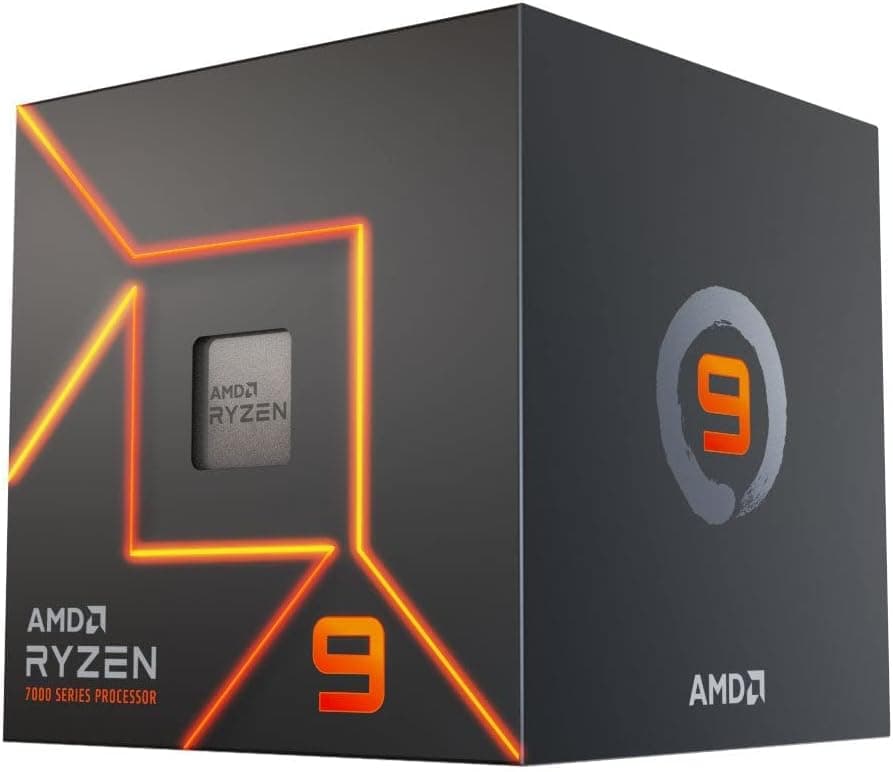
This article covers AMD Ryzen 9 7900 Desktop Processor.
Overview
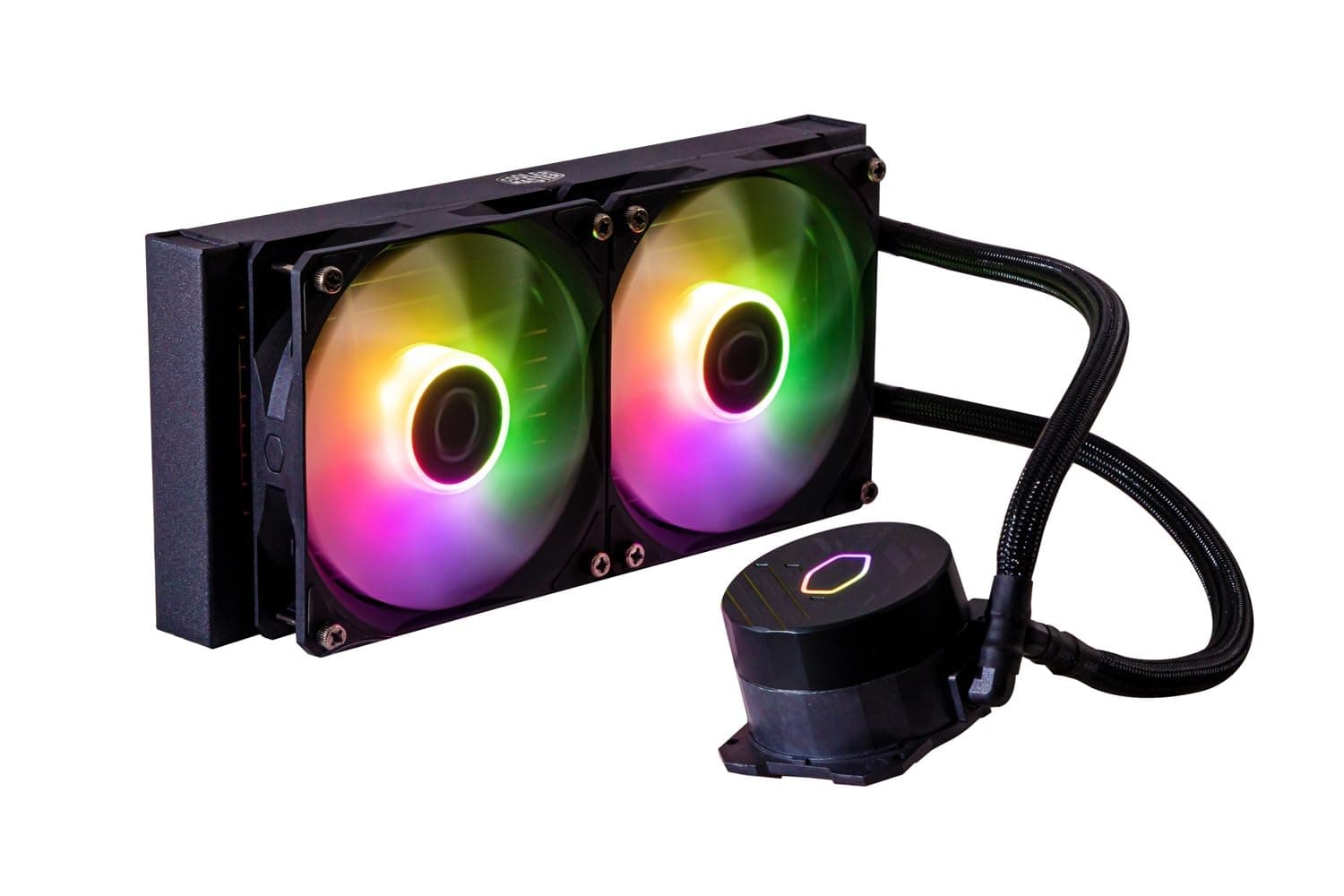
The AMD Ryzen 9 7900 is a desktop CPU built on the Zen 4 architecture, offering 12 cores and 24 threads with a remarkably low TDP of just 65W. With a base clock of 3.7 GHz and a boost clock up to 5.4 GHz, it delivers strong single-threaded performance alongside excellent multi-threaded capabilities. It uses the AM5 socket and supports DDR5 memory and PCIe 5.0, making it a modern platform choice. This processor is designed for users who want high-end performance without the high power draw and heat output typical of flagship CPUs. The included Wraith Prism cooler is sufficient for everyday use, eliminating the need for an aftermarket cooler in many builds. Positioned in the upper mid-range to high-end segment, the Ryzen 9 7900 stands out for its exceptional power efficiency. Compared to the 170W Ryzen 9 7900X, it trades a small amount of peak performance for dramatically lower power consumption and heat generation.
Compatibility Guide
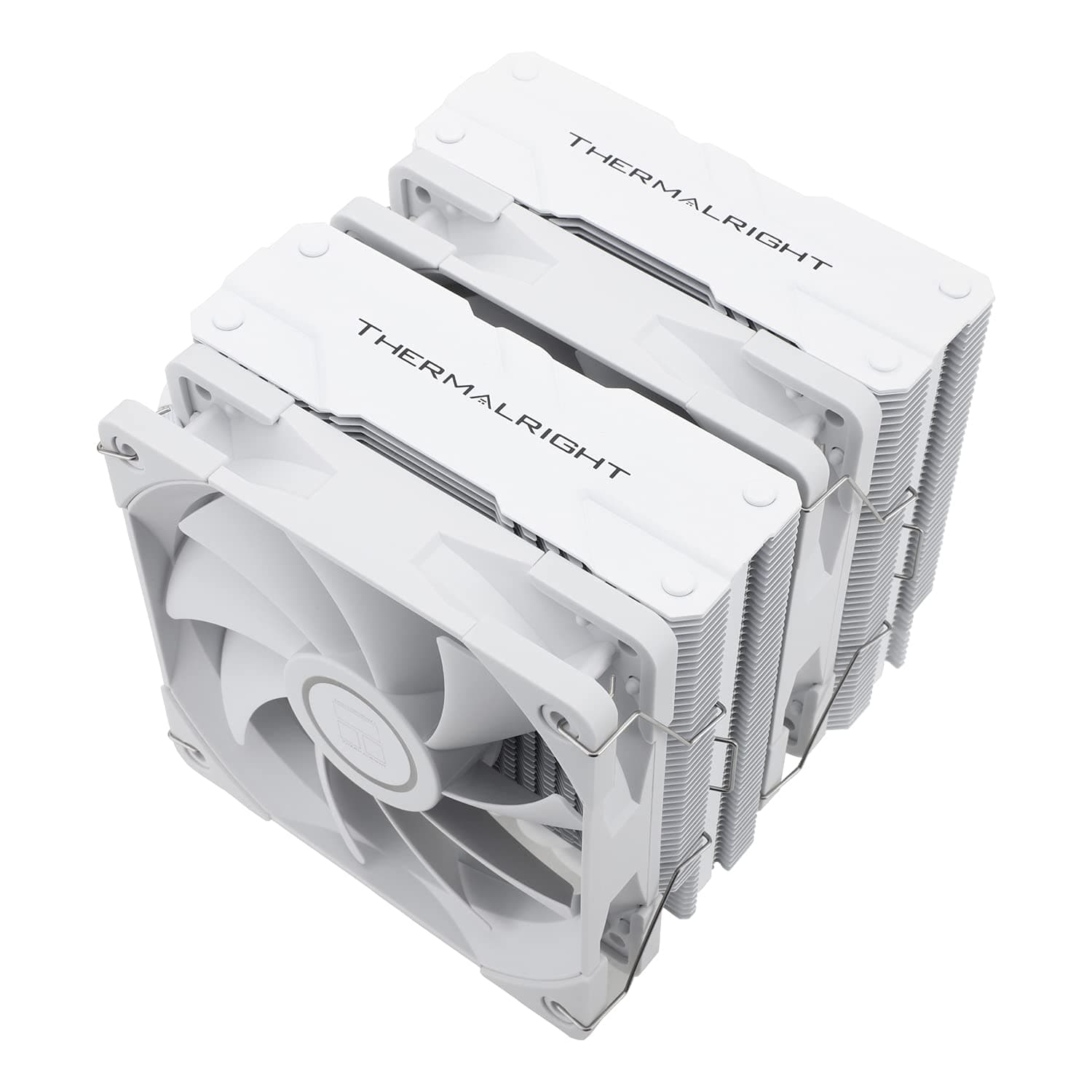
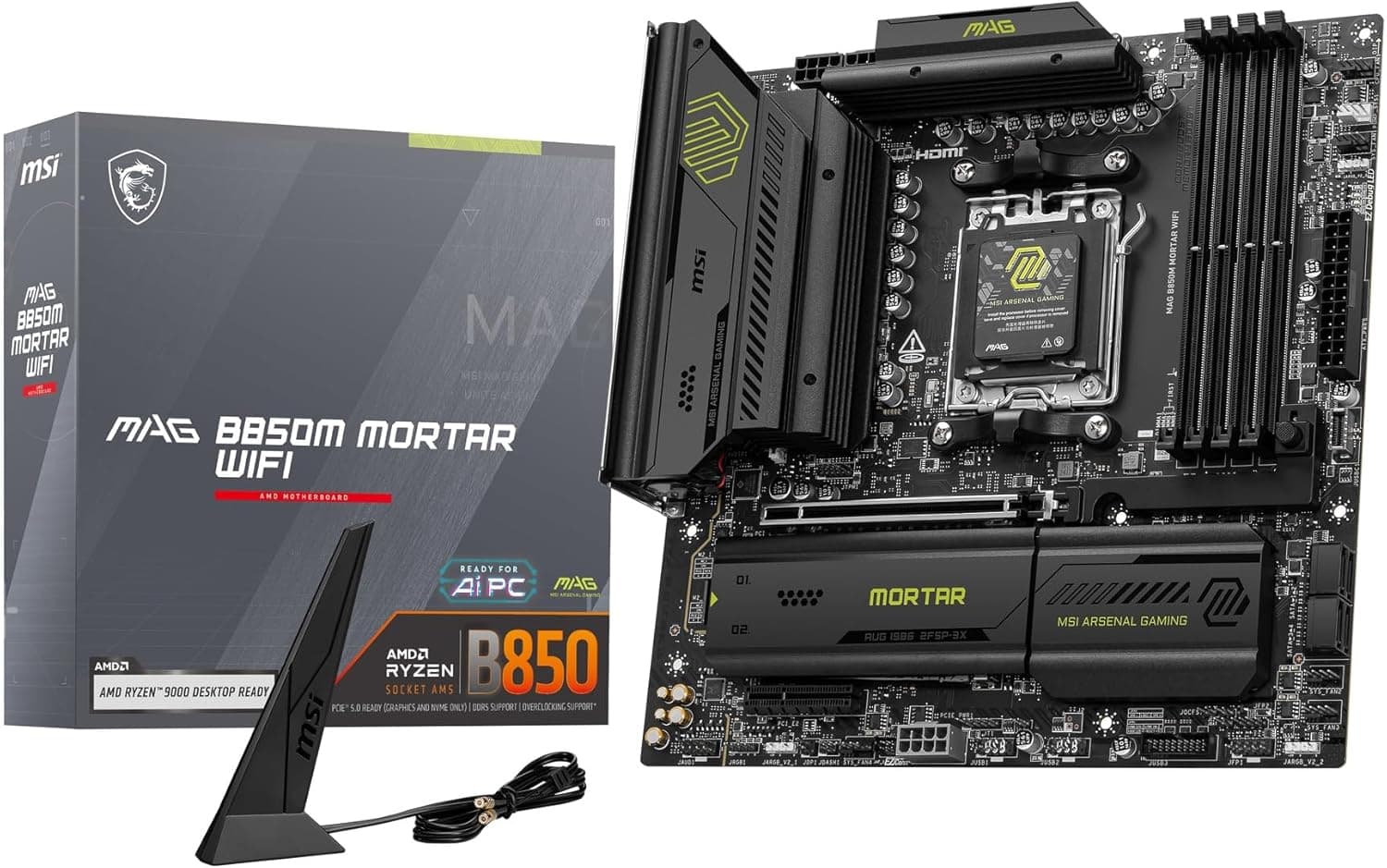
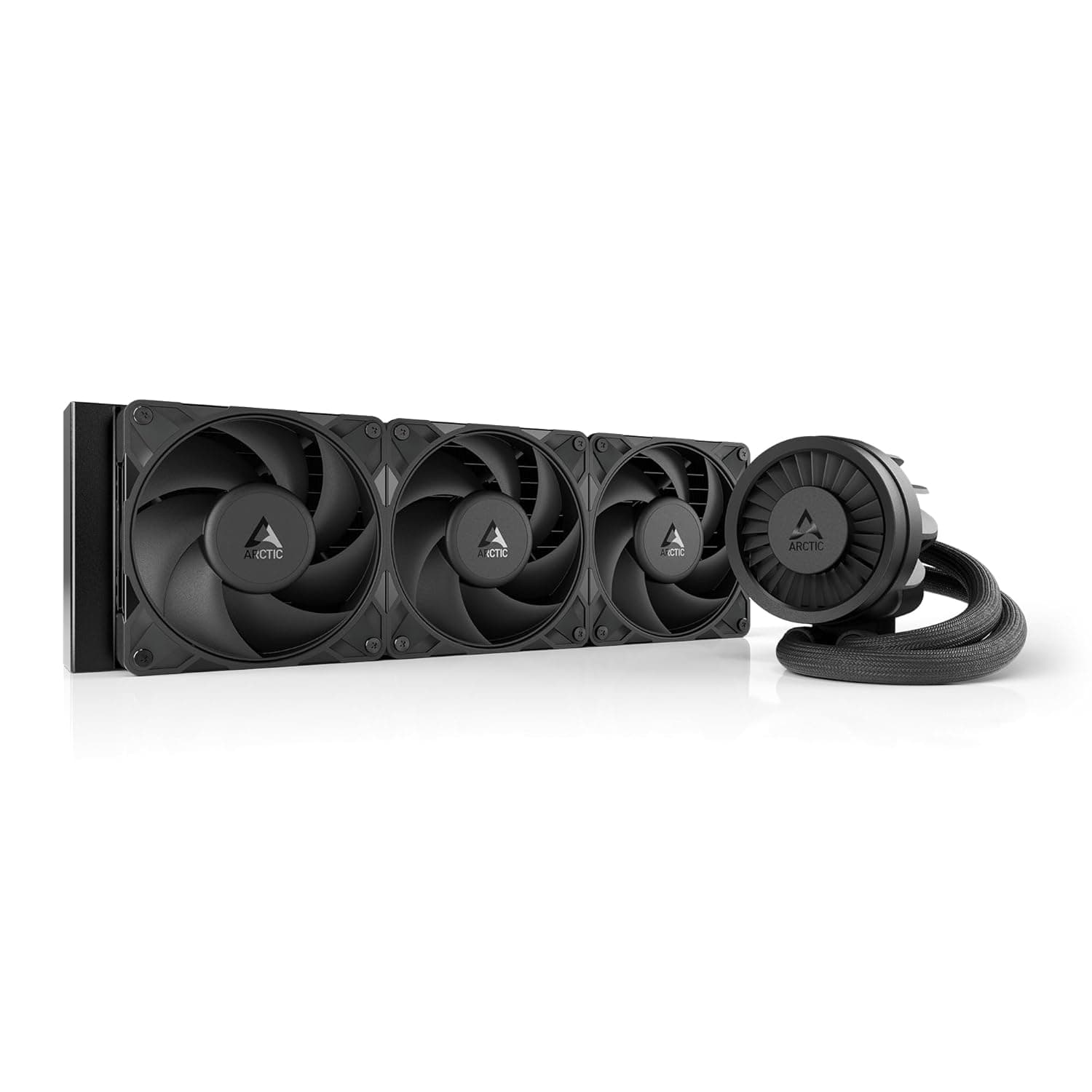
The Ryzen 9 7900 requires an AM5 socket motherboard with a 600-series chipset (X670E, X670, B650E, B650, or A620). It only supports DDR5 memory; DDR4 is not compatible. The CPU provides PCIe 5.0 lanes for graphics and NVMe storage, ensuring compatibility with the latest high-speed components. For a full system with a high-end GPU, a power supply of at least 850W is recommended, even though the CPU itself draws only 65W. The included Wraith Prism cooler fits standard ATX cases, but users with small form factor cases should verify clearance or consider a low-profile cooler.
Product Info
Released in January 2023, the AMD Ryzen 9 7900 typically retails around ¥70,000 in Japan. It comes with a 3-year warranty through authorized distributors. The CPU is built on a 5nm process and features 12MB L2 cache and 64MB L3 cache (76MB total). It includes an integrated Radeon Graphics GPU clocked at 2.2 GHz for basic display output. This model occupies a sweet spot in the Ryzen 9 lineup: it offers 12 cores and 24 threads at a power envelope that rivals many 8-core CPUs, making it ideal for power-conscious enthusiasts.
Best Use Cases
Content Creation: Video editing, 3D rendering, and software compilation benefit greatly from the 12 cores and 24 threads. The Ryzen 9 7900 handles multi-threaded workloads efficiently without excessive heat buildup. Quiet / Low-Power Builds: With a 65W TDP, this CPU is perfect for silent PCs or systems where thermal management is a priority. The stock cooler is adequate, and the low power draw reduces electricity costs over time. AM5 Platform Adopters: Users looking to build a new system with DDR5 and PCIe 5.0 but who want to avoid the high power consumption of the 7900X will find the 7900 an excellent balance of performance and efficiency.
Things to Consider
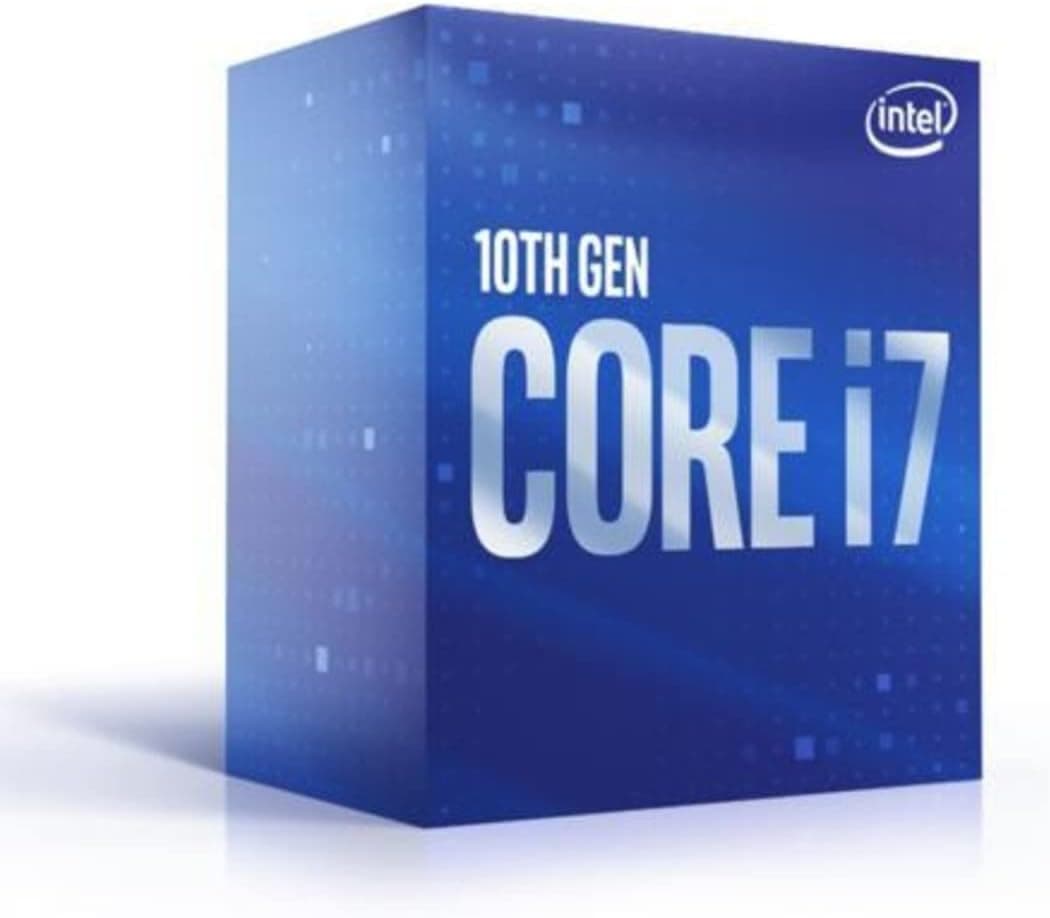
While the TDP is low, the Ryzen 9 7900 is still a 12-core CPU that generates significant heat under full load. Poor case airflow can lead to higher temperatures. The integrated GPU is not suitable for gaming; a discrete graphics card is necessary for any gaming or GPU-accelerated tasks. Competitors include the Intel Core i7-13700K, which offers similar multi-threaded performance but at a much higher power draw (125W base, up to 253W boost). The Ryzen 9 7900 is the better choice for energy efficiency. Another alternative is the Ryzen 9 7900X, which provides higher boost clocks (5.6 GHz) but at 170W TDP, requiring more robust cooling. Also note that AM5 platforms require DDR5 memory, which is more expensive than DDR4. Factor in the cost of a new motherboard and RAM when budgeting for this CPU. ## Alternatives
Direct competitors include the Intel Core i7-13700K and the AMD Ryzen 9 7900X. The i7-13700K has 16 cores (8P+8E) and can outperform the 7900 in some multi-threaded tasks, but its power consumption is significantly higher. The 7900X offers higher clocks and performance but at the cost of much higher heat output. For users prioritizing efficiency, the Ryzen 9 7900 is the clear winner.