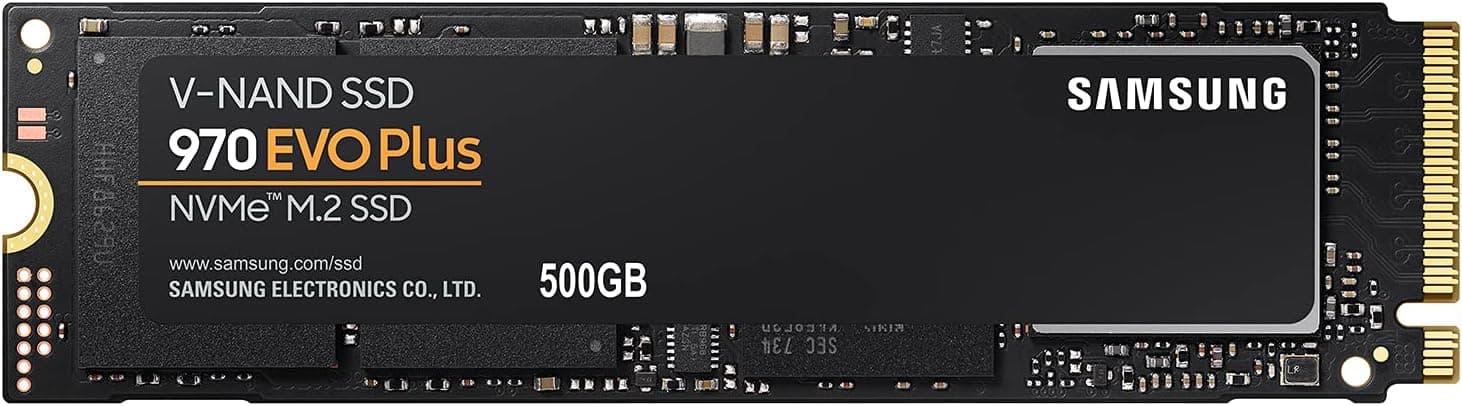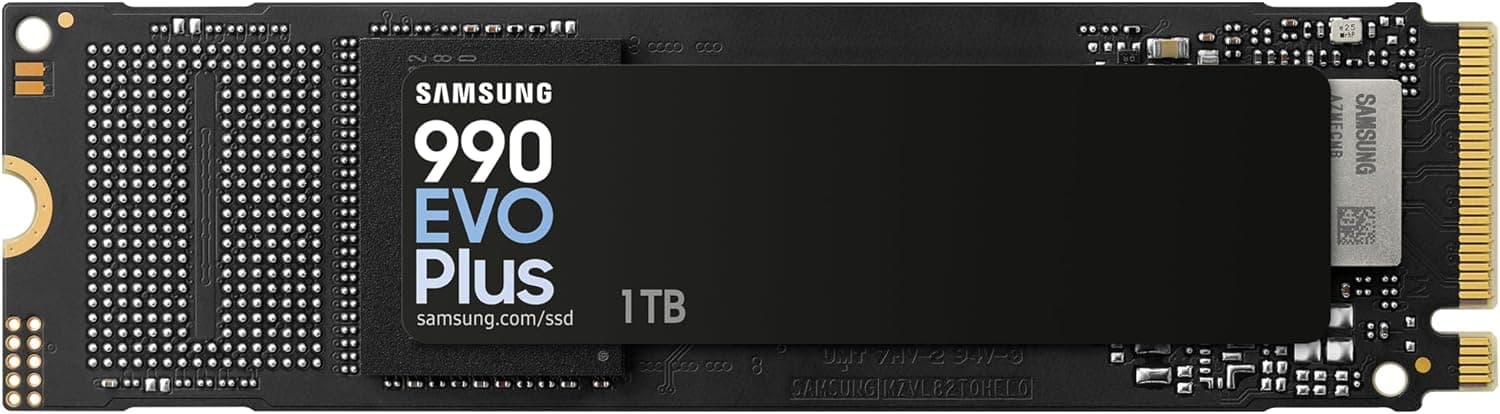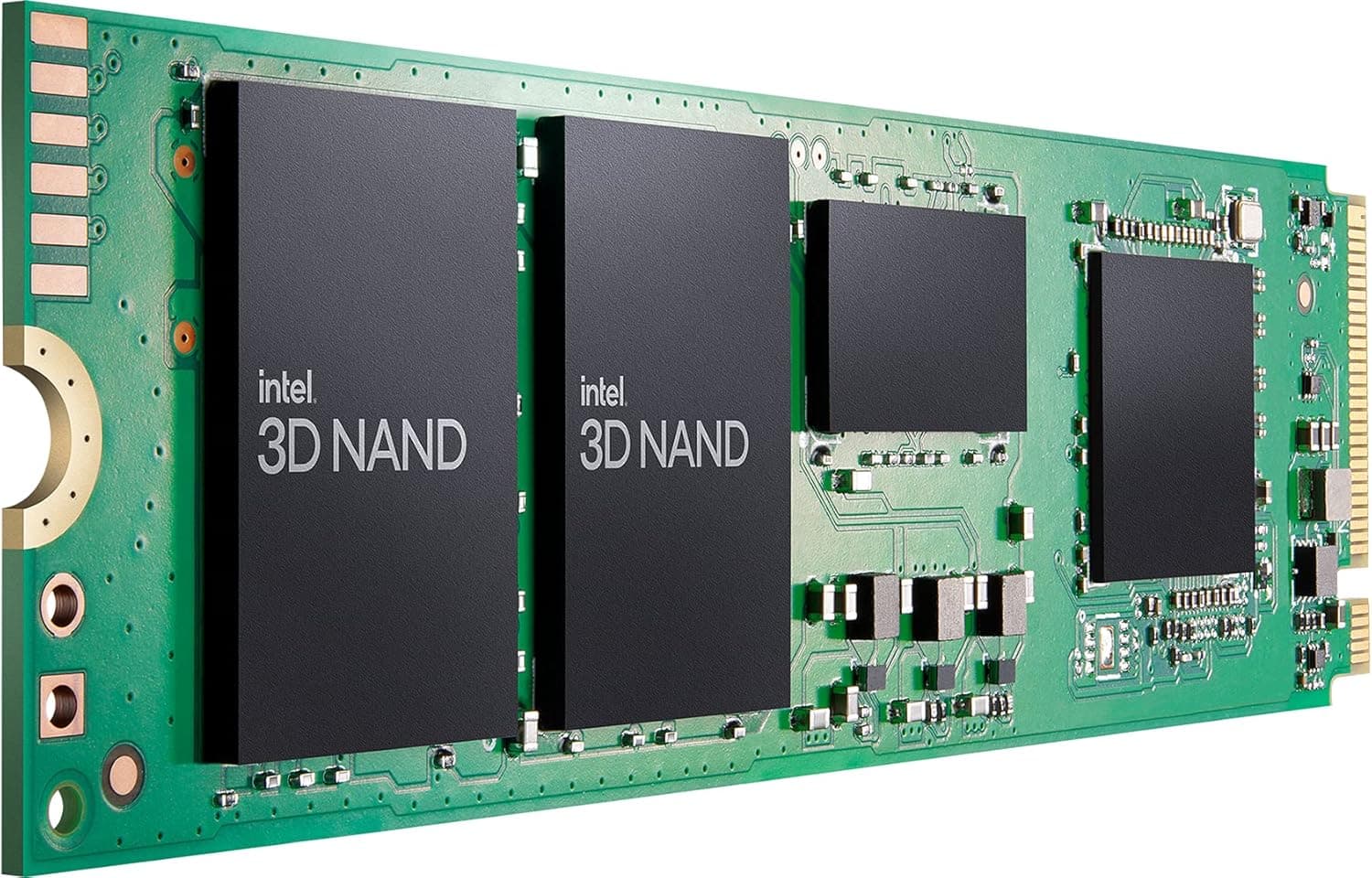
This article covers インテル SSDPEKNU020TZX1 Intel SSD 670p M.2 PCIEx4 2TB.
Overview
The Intel SSD 670p (model SSDPEKNU020TZX1) is a QLC (Quad Level Cell) 3D NAND-based M.2 NVMe SSD that offers 2TB of storage at an affordable price point. It uses a PCIe 3.0 x4 interface and the M.2 2280 form factor, delivering sequential read speeds up to 3,500MB/s and sequential write speeds up to 2,700MB/s. This level of performance is more than adequate for everyday computing, game loading, and file transfers. This drive is designed for users who prioritize capacity and cost-effectiveness without sacrificing the speed benefits of NVMe. It is an excellent upgrade path from SATA SSDs or traditional hard drives, especially for those building a budget-conscious PC or expanding storage on an existing system. Positioned in the entry-to-mid-range market, the 670p offers compelling value for its 2TB capacity. However, it is important to understand that QLC NAND typically has lower write endurance (TBW) compared to TLC-based SSDs, which is a key consideration for heavy write workloads.
Compatibility Guide
The Intel SSD 670p uses the M.2 2280 form factor and requires an M.2 slot with NVMe support on your motherboard or laptop. It is compatible with both Intel and AMD platforms, as it does not depend on a specific chipset or socket. The PCIe 3.0 x4 interface is backward compatible with PCIe 4.0 and 5.0 slots, so it will work in modern motherboards without issues. If you are using an older motherboard, ensure the M.2 slot supports NVMe (some older slots are SATA-only). * The 2TB capacity is ideal for use as a primary OS drive or a secondary game/media storage drive.
Product Info
The Intel SSD 670p (SSDPEKNU020TZX1) was released in 2021 and is built with Intel's QLC 3D NAND technology. It features a PCIe 3.0 x4 interface, M.2 2280 form factor, and delivers sequential read speeds up to 3,500MB/s and sequential write speeds up to 2,700MB/s. In terms of market positioning, this drive sits in the entry-to-mid-range segment, targeting users who need large storage capacity at a low cost. While its write endurance is lower than TLC competitors, it is perfectly suited for typical consumer workloads such as gaming, media storage, and office productivity.
Best Use Cases
Gamers looking to expand storage: Modern AAA games can exceed 100GB each. A 2TB drive allows you to install multiple large titles simultaneously without worrying about space. Load times are significantly faster than SATA SSDs, providing a smoother gaming experience. However, if you frequently write large amounts of game data daily, a TLC drive may offer better long-term endurance. Content creators (photo/video editing): Storing RAW photos and 4K video footage requires ample space. The 670p's fast read speeds ensure smooth asset loading in editing software. For professionals who constantly rewrite large project files, a TLC SSD with higher TBW is recommended. Laptop storage upgrades: If your laptop has an M.2 2280 slot, this drive is an easy drop-in upgrade. Its low power consumption and heat output make it suitable for mobile use, with minimal impact on battery life. Budget-conscious PC builders: This SSD offers excellent value for money, providing NVMe speeds at a price point close to SATA SSDs. It is a smart choice for builds where every dollar counts.
Things to Consider
The primary trade-off with the Intel 670p is its QLC NAND, which results in a lower TBW rating compared to TLC SSDs. The 2TB model has a rated endurance of 370 TBW, which translates to roughly 10 years of use at 100GB of writes per day. This is fine for most consumers, but not ideal for write-intensive server or workstation tasks. Another consideration is the PCIe 3.0 x4 interface. While it is perfectly adequate for gaming and general use, users who frequently transfer massive files (e.g., 4K/8K video projects) may benefit from a PCIe 4.0 drive with higher sequential speeds. In real-world use, however, the difference in boot times and game loading is minimal. Competitors to consider include the Crucial P3 Plus (also QLC but PCIe 4.0) and the WD Blue SN580 (TLC, PCIe 4.0). Compare pricing and endurance ratings to find the best fit for your specific workload. ## FAQ
Q: Can I use this SSD as internal storage for a PS5? A: No. The PS5 requires a PCIe 4.0 x4 NVMe SSD to meet its speed requirements. The Intel 670p is PCIe 3.0 x4 and does not meet the console's specifications. Q: Does this drive run hot? Do I need a heatsink? A: QLC NAND generally runs cooler than TLC. For typical desktop use, the motherboard's built-in M.2 heatsink is sufficient. If you plan on sustained sequential writes, adding a basic heatsink can help maintain consistent performance. Q: How noticeable is the performance difference compared to a TLC NVMe SSD? A: For everyday tasks like booting Windows, launching applications, and loading games, the difference is negligible. The gap becomes apparent only during large file transfe
Product Disclosure (Amazon)
- Manufacturer: インテル
- Seller: エブリプラス「インボイス登録事業者」適格請求書対応〇
- Fulfilled by: Amazon
- ASIN: B08X4XL71S
- Note: This article covers a manufacturer-made product based on Amazon listing details.