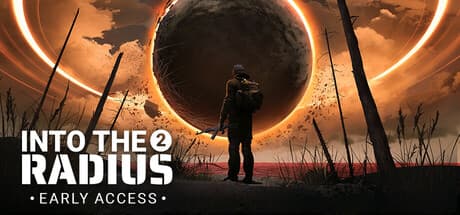
Into the Radius 2: Survive the Zone Solo or Co-op is a VR survival shooter developed and published by CM IMMERSIVE. Released on April 23, 2026, it sends players into an altered zone occupied by hostile entities and dangerous anomalies.
It supports a solo campaign and two-player online co-op without replacing the central gameplay or story for either mode.
Game Overview
The core loop begins before combat. You prepare a loadout, enter the zone, explore hazardous locations, manage resources, and try to survive the trip.
Shooting skill matters, but planning and equipment decisions are equally important because threats include both enemies and environmental anomalies.
Solo play emphasizes isolation and makes every decision your responsibility. Co-op lets two players divide attention between navigation, observation, and combat, but adding a partner does not remove the need to prepare.
Since the core experience remains consistent in both modes, players can choose their preferred group size without giving up the main journey.
Why Weapons and Preparation Matter
The modular weapon system allows loadouts to be adjusted for the task ahead. Weapon maintenance is also part of the experience, so acquiring a firearm is not the end of preparation.
The condition and configuration of equipment must be considered alongside the resources available for an expedition.
That approach should appeal to players who enjoy deliberate gun handling and equipment management. It may feel cumbersome to anyone who wants to skip menus and enter a firefight immediately.
Customization is most meaningful when treated as a set of tradeoffs rather than a reason to carry everything.
Choosing Solo or Two-Player Co-op
Solo is the stronger choice if you want the altered zone to feel lonely and threatening. You can set your own pace and inspect equipment or surroundings without waiting for another player.
The tradeoff is that exploration, combat, and resource decisions all fall to you.
Co-op creates room for practical teamwork. One player can watch for threats while the other checks equipment or plans the route.
A cautious player and a partner who constantly rushes forward may struggle to match pace, so agreeing on an approach before entering the zone can make the session smoother.
PC Requirements
The listed minimum CPU is an Intel Core i5-7600K or AMD Ryzen 5 3600. The minimum GPU is an NVIDIA GeForce RTX 2060, while memory is listed as 16GB RAM.
Because the game renders a VR view, GPU headroom and stable frame delivery deserve more attention than they might in a conventional monitor-based shooter.
A 72Hz refresh rate is recommended in the supplied notes. This should be treated as a target for stable VR play, not a promise of maximum visual settings.
No recommended hardware tier or storage requirement is included in the supplied data, so those details should be checked on the current Steam product page before installing. Headset compatibility should also be verified there rather than assumed from the VR label alone.
How to Read the Reception
Steam reception leans positive overall, though it is not unanimous. The more useful buying question is whether you want the specific combination of VR survival, detailed weapon care, and cautious exploration.
Aggregate data does not identify the exact praise and complaints behind individual posts, so recent player feedback and update notes remain important context.
Players expecting the tempo of a standard competitive FPS should be especially careful. Into the Radius 2 is built around the complete survival cycle, including preparation and return, rather than a rapid sequence of isolated gunfights.
Whether that slower responsibility feels immersive or inconvenient will largely determine the fit.
Who Should Play It
Into the Radius 2 is a strong match for players who value the physical presence and tension that VR can add to exploration. It also suits those who enjoy selecting equipment, maintaining weapons, and preparing before entering danger.
Both solitary players and pairs with good communication have a supported way to approach the same core experience.
It should also work well for players who prefer gaining an advantage through observation and planning rather than reflexes alone. If reviewing a failed expedition and adjusting the next loadout sounds rewarding, the repeated trips into the zone have a clear purpose.
In co-op, partners who both enjoy preparation can turn role assignment into part of the appeal.
Caveats and Who Should Skip It
This is a VR-focused experience, so it is not the right choice for someone seeking a conventional mouse-and-monitor FPS. Comfort varies by player, and anyone prone to VR discomfort should begin with shorter sessions and regular breaks.
The supplied data does not confirm supported headset models, control methods, or Japanese-language availability, so check the current store listing before buying.
Players who dislike weapon upkeep or resource management may find the preparation intrusive. Co-op is limited to two players, making it unsuitable for groups seeking a larger squad experience.
Store specifications and compatibility information can change, so compare both your PC hardware and exact VR device against the latest listed requirements.