Overview
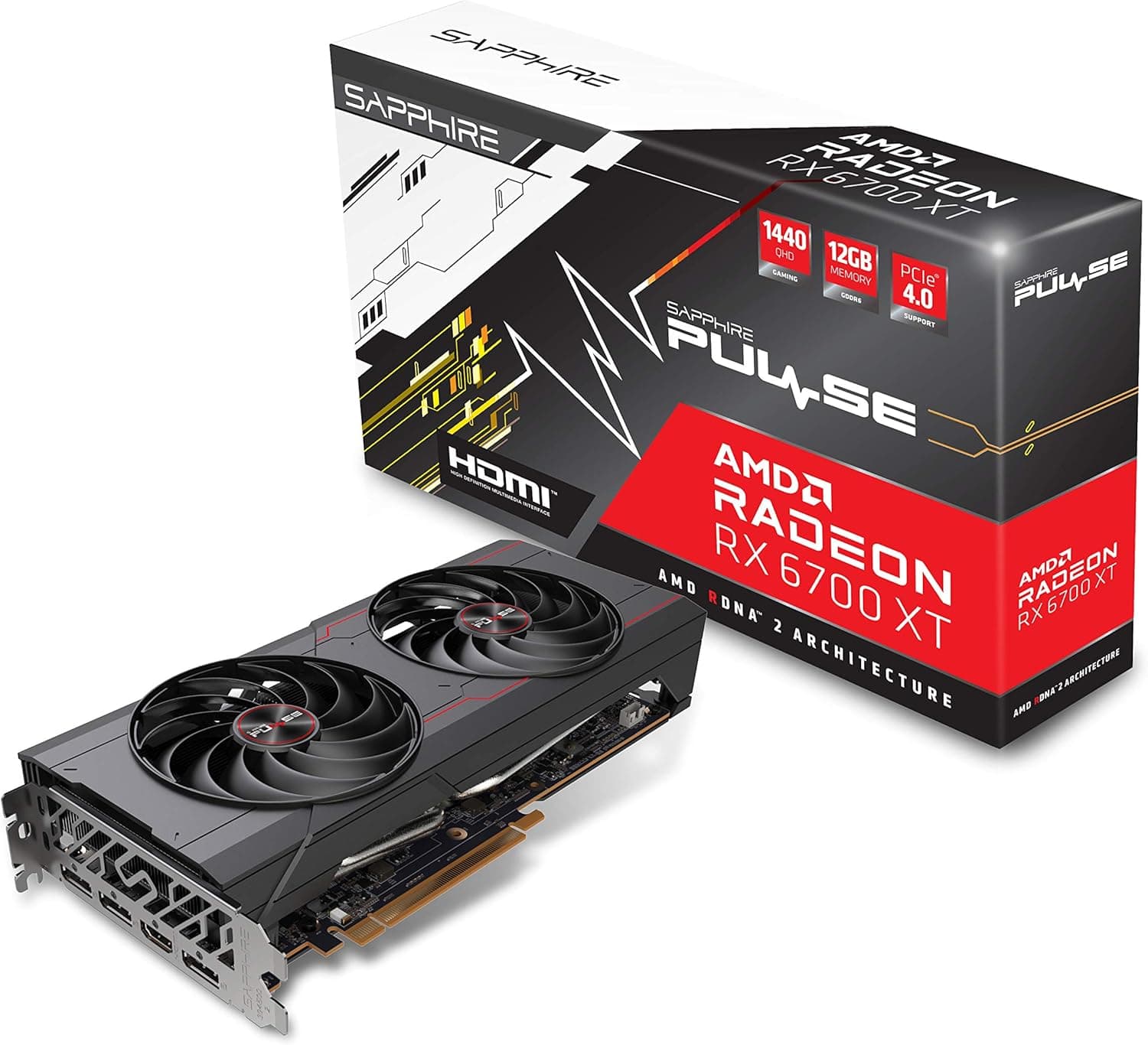
The Intel Arc A770 is Intel's mid-range desktop graphics card launched in October 2022. It features the DG2-512 GPU chip with 16GB of GDDR6 memory on a 256-bit bus, and a boost clock of 2400 MHz. With a TDP of 225W and a recommended power supply of 550W or higher, this card targets the mainstream gamer and creative user who wants ample VRAM without breaking the bank. The PCIe 4.0 x16 interface ensures compatibility with modern platforms. Positioned against NVIDIA's GeForce RTX 3060 and AMD's Radeon RX 6600 XT, the Arc A770 stands out with its generous 16GB memory buffer, making it a solid choice for 1440p gaming and GPU-accelerated creative workloads. However, driver maturity remains a consideration, especially for older titles.
Compatibility Guide
The Intel Arc A770 uses a PCIe 4.0 x16 interface and occupies two expansion slots. Physical dimensions are approximately 267mm in length and 98mm in height, fitting most mid-tower ATX cases. However, always check your case's maximum GPU length and slot clearance before purchase. The card requires one 8-pin and one 6-pin PCIe power connector from the PSU. A 550W power supply is recommended, though for systems with a high-TDP CPU, 650W or more is advisable. Motherboard compatibility is broad: any board with a PCIe x16 slot (physical) will work, but PCIe 3.0 may cause a small bandwidth penalty in bandwidth-intensive scenarios.
Product Info
The Intel Arc A770 was released on October 12, 2022, as Intel's return to discrete gaming graphics. Its market positioning is upper-mid-range, with the key differentiator being 16GB of GDDR6 VRAM—more than most competitors in its original price bracket (~$329 MSRP). Current street prices vary, with Japanese retailers listing it around ¥141,970 as of September 2026. Intel provides a standard 3-year warranty (regional differences may apply). The card's 225W TDP is moderate; it runs cooler and quieter than some flagship models but still requires adequate case airflow. The Arc ecosystem includes Intel's Arc Control software for driver updates and performance tuning.
Best Use Cases
1440p Gaming Enthusiasts
If you aim for smooth 1440p gameplay at high settings, the Arc A770 delivers solid performance, especially in modern DirectX 12 and Vulkan titles. The 16GB VRAM lets you crank texture quality without hitting memory limits. However, DirectX 9/11 games may have variable performance—always run the latest drivers and consult Intel's game compatibility list. This card is a strong alternative to the RTX 3060 12GB and RX 6600 XT for those who prioritize VRAM over raw rasterization speed.
Creative Professionals on a Budget
For video editing, 3D modeling, and AI inference tasks that benefit from large VRAM, the Arc A770 punches above its price class. Intel's Quick Sync encoder accelerates H.264/H.265 encoding in apps like DaVinci Resolve, and XeSS upscaling helps in supported games. The 16GB memory allows handling 4K video timelines or medium-size 3D scenes without swapping. Not ideal for heavy GPU rendering (e.g., OctaneRender) where NVIDIA CUDA cores dominate.
Who Should Look Elsewhere?
- Hardcore competitive gamers seeking maximum FPS at 1080p or 4K. The Arc A770 is not the fastest in raw performance. - Users who play many older DX9/10 games. Driver issues remain in legacy titles. - VR enthusiasts: VR support is not yet fully mature, so a GeForce card may be safer.
Things to Consider
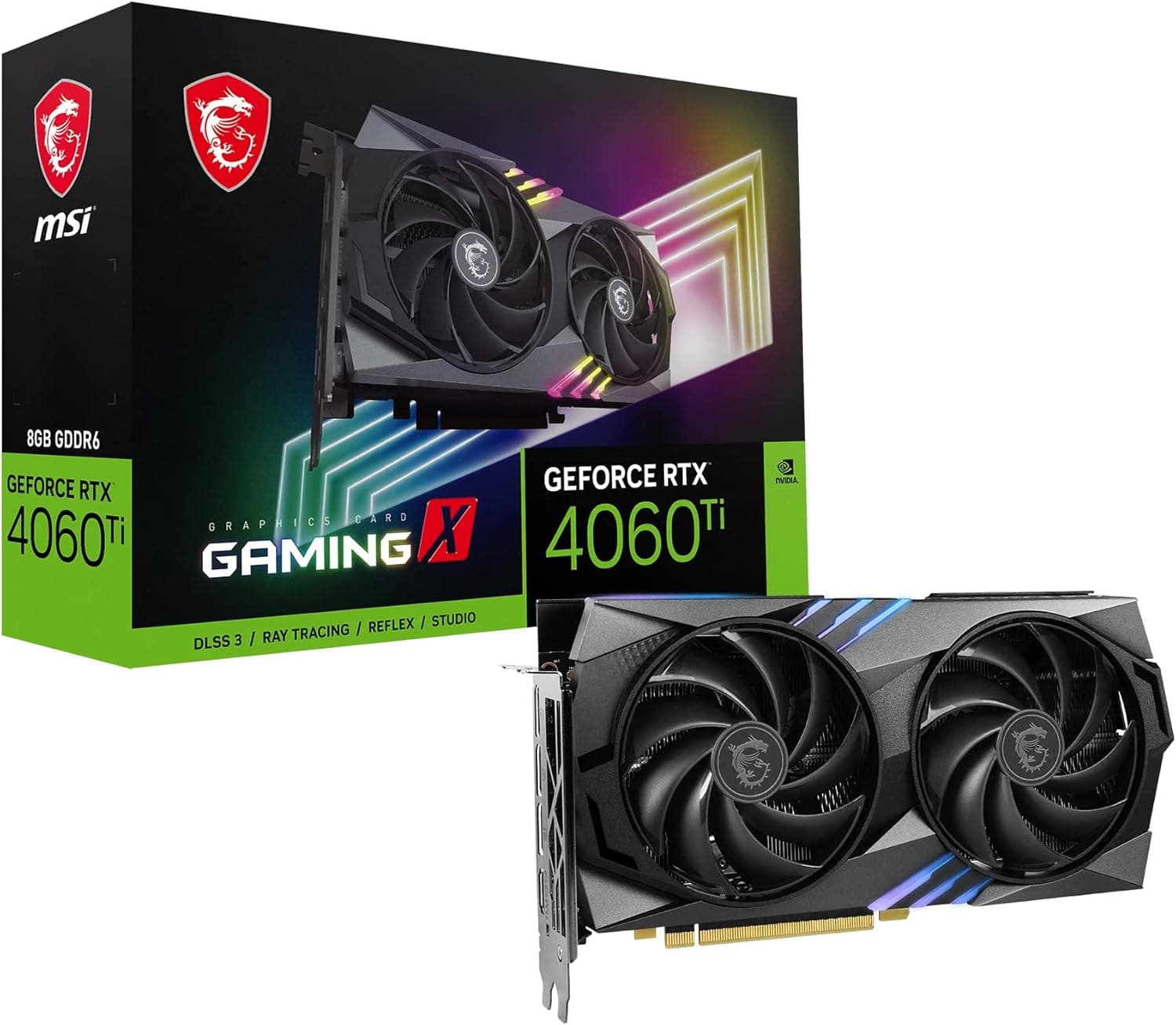
The most important caveat is driver maturity. While Intel has improved driver stability significantly since launch, some games—especially those built on older APIs—may underperform compared to expectations. Always update to the latest driver from Intel's official site before evaluating performance. Power consumption is also higher than similarly performing competitors: 225W TDP means adequate cooling and a quality PSU are must-haves. Additionally, the card's physical dimensions may not fit smaller SFF cases. Compared to NVIDIA RTX 4060 Ti (16GB variant) or AMD RX 7700 XT, the Arc A770 can be a value pick if you find it discounted, but its feature set (limited ray tracing performance, no DLSS equivalent) may be a dealbreaker for some. For building a new system, factor in the cost of a suitable power supply and case compatibility.
FAQ
Q: What power supply unit is required for the Intel Arc A770?
A: Intel recommends a 550W PSU as minimum. The card needs one 8-pin and one 6-pin PCIe power connector. For a typical gaming rig with a mid-range CPU, a 650W 80+ Gold unit provides comfortable headroom.
Q: Can I use the Arc A770 with a PCIe 3.0 motherboard?
A: Yes, it will physically fit and run. However, PCIe 3.0 x16 has half the bandwidth of PCIe 4.0 x16. In most games the performance impact is under 5%, but in VRAM-heavy or high-frame-rate scenarios, you may notice a slight drop. For optimal performance, pair it with a PCIe 4.0-compatible platform.
Q: Is 16GB VRAM overkill for standard gaming?
A: Not really, especi