Overview
Gigabyte B660M POWER DDR4 is a MicroATX motherboard built on the Intel B660 chipset, designed for budget-conscious builders who want to pair a modern Intel processor with affordable DDR4 memory. It supports LGA1700 CPUs from the 12th, 13th, and 14th generations, and can take up to 64GB of DDR4 RAM. This board strips away unnecessary frills to deliver the essentials at a street price around ¥13,000 (roughly $90).
For gaming rigs, office PCs, or simple creative workstations, this motherboard provides a solid foundation. A PCIe 4.0 x16 slot handles current mid-range graphics cards, and the single M.2 slot (PCIe 4.0 x4) enables fast NVMe storage. Two DIMM slots, a handful of SATA ports, and basic audio/network headers cover the basics without going overboard.
The B660M POWER DDR4 is clearly an entry-level offering. It lacks Wi-Fi, has only two memory slots, and a modest VRM design. But for a first build or a secondary PC where every yen counts, it strikes a compelling balance between cost and capability.
Compatibility Guide
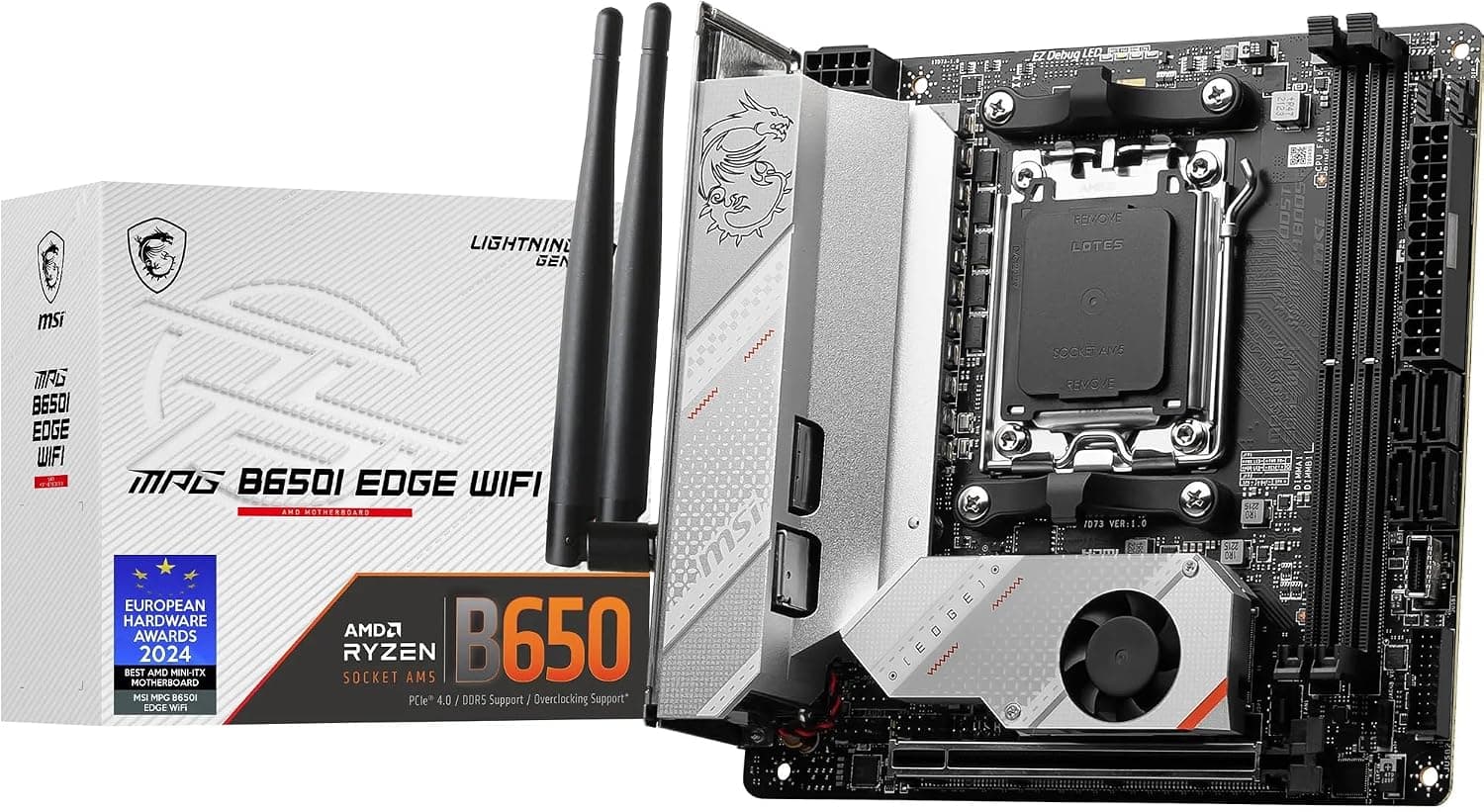
This motherboard uses the LGA1700 socket, which accommodates Intel Core i3, i5, i7, and i9 processors from the 12th, 13th, and 14th generations. It only supports DDR4 memory, so if you're thinking about DDR5, you'll need a different board. That's actually a cost-saving feature: DDR4 modules are significantly cheaper than their DDR5 counterparts.
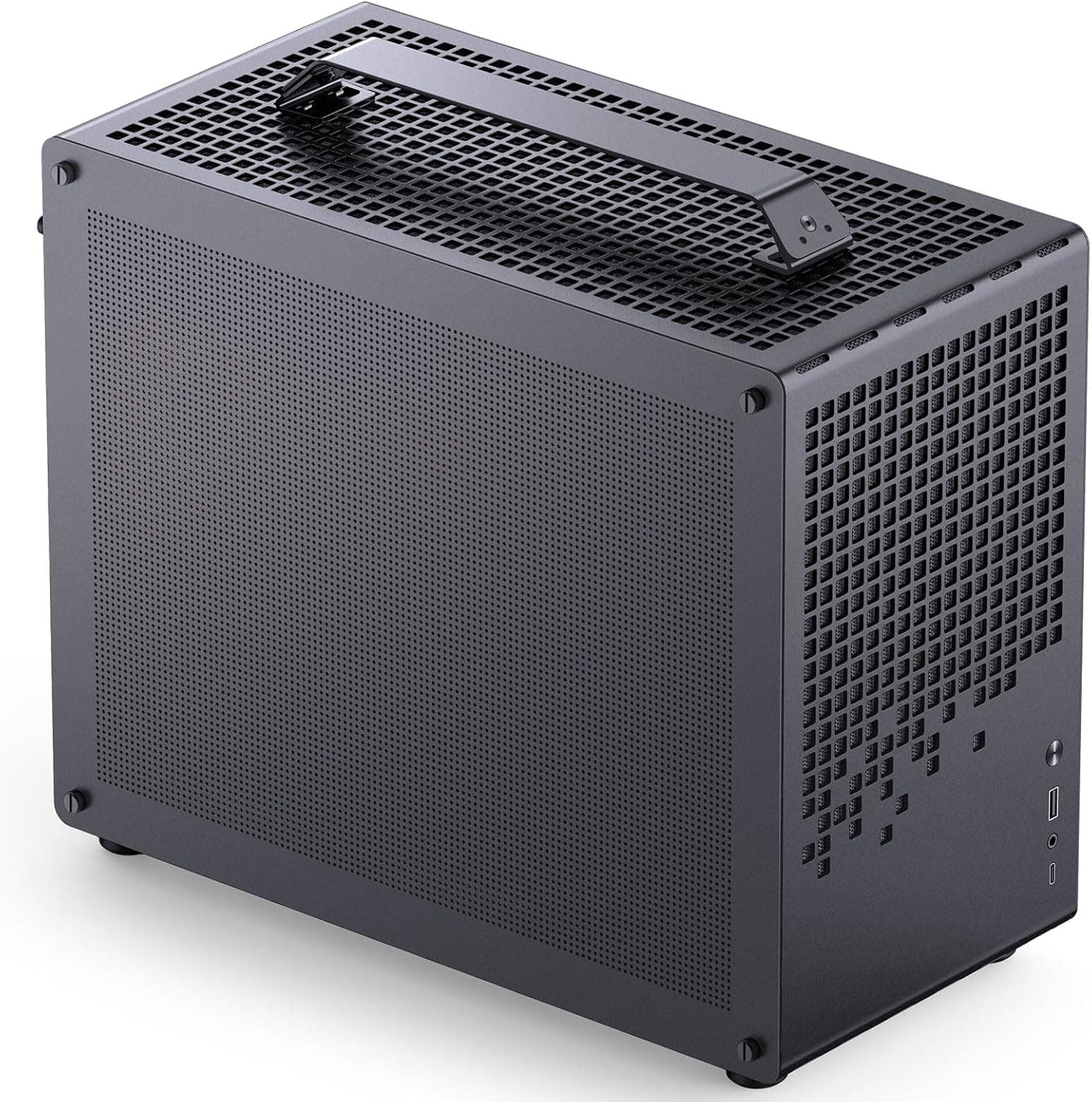
The board footprint is standard MicroATX (244×244mm). It fits most Mini and Mid Tower cases, but always double-check case specifications for clearance around the CPU socket and the rightmost edge near SATA ports.
For the power supply, a standard 24-pin ATX main connector plus an 8-pin CPU power connector are required. Depending on your CPU and GPU choice, a 500W to 650W unit is advisable. Storage connectivity includes four SATA 6Gb/s ports and one M.2 slot (PCIe 4.0 x4), supporting fast NVMe SSDs as well as traditional hard drives.
Product Info
Released in early 2022, the Gigabyte B660M POWER DDR4 remains in active production and is widely available through major retailers and online stores. Its pricing hovers around ¥13,140 ($90) making it one of the cheapest LGA1700 motherboards on the market. The typical warranty period is three years (check your region).
Market positioning: firmly entry-level, aimed at price-sensitive builders who need a functional socket 1700 board without paying for premium features. The trade-off is limited expansion: just two DIMM slots, one M.2 slot, and a basic VRM that can struggle with high-core-count CPUs under sustained load.
Best Use Cases
★ First-time DIY PC builder
This board's simplicity reduces the chance of configuration errors. You can start with just a CPU, one stick of RAM, and a storage drive to get into the BIOS. The included manual is clear enough for beginners.
★ Budget gaming PC builder targeting 1080p
Pair this motherboard with a Core i3-13100F or i5-13400F and a GeForce RTX 4060 or Radeon RX 7600. The PCIe 4.0 slot handles those GPUs without bottleneck. Combined with affordable DDR4 memory, you can build a capable gaming machine for well under $800.
★ Office or HTPC secondary machine
Using the CPU's integrated graphics (non-F SKUs), this board can power a silent, low-cost PC for web browsing, office applications, and media playback. No dedicated GPU needed.
★ Who should NOT buy this board?
- Power users who need multiple M.2 drives or lots of SATA storage.
- Enthusiasts wanting to overclock (B660 does not support CPU overclocking).
- Users who insist on DDR5 memory compatibility.
Things to Consider
The VRM on the B660M POWER DDR4 is modest, with only a few power phases and no heatsinks on the MOSFETs. Running a Core i7-13700K or i9-13900K at full load for extended periods can cause thermal throttling. Stick to Core i5 or lower for ideal performance.
Expansion is tight: only one M.2 slot and two memory slots. If you ever want to upgrade to 64GB later, you'll have to replace both sticks (no room for expansion). Additionally, there's no built-in Wi-Fi or Bluetooth, so plan to add a USB adapter or a PCIe card if wireless connectivity is needed.
Compared to sibling boards like the B660M DS3H (which has more VRM heatsinks and an extra M.2 slot), the POWER version cuts costs aggressively. If those extras matter to you, the small premium is worth paying. On the other hand, if you're on the strictest budget and your build is simple, this board delivers everything you need.
FAQ
Q: Can I use a Core i5-13600K with this board?
A: Yes, it is socket-compatible. However, under heavy multi-threaded loads the VRM may get hot. For lighter gaming or occasional tasks it's fine, but prolonged rendering or streaming would benefit from a board with better VRM cooling. The i5-13400F is a safer match.
Q: Which memory kits are recommended?
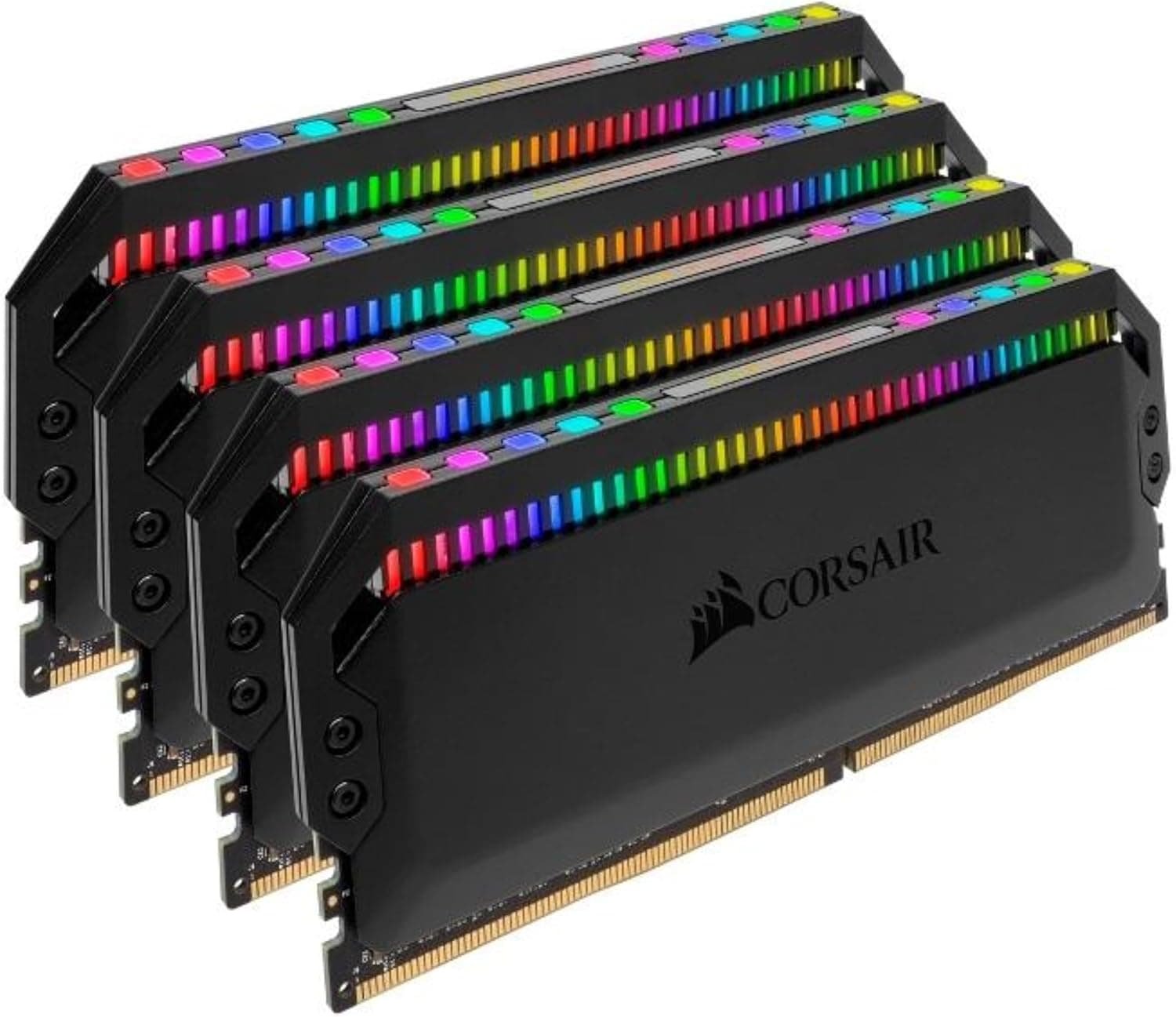
A: DDR4-3200 or DDR4-3600 in dual-channel configuration is ideal. The board supports up to 64GB (2x32GB). Enable XMP in BIOS for rated speeds. Av