Overview
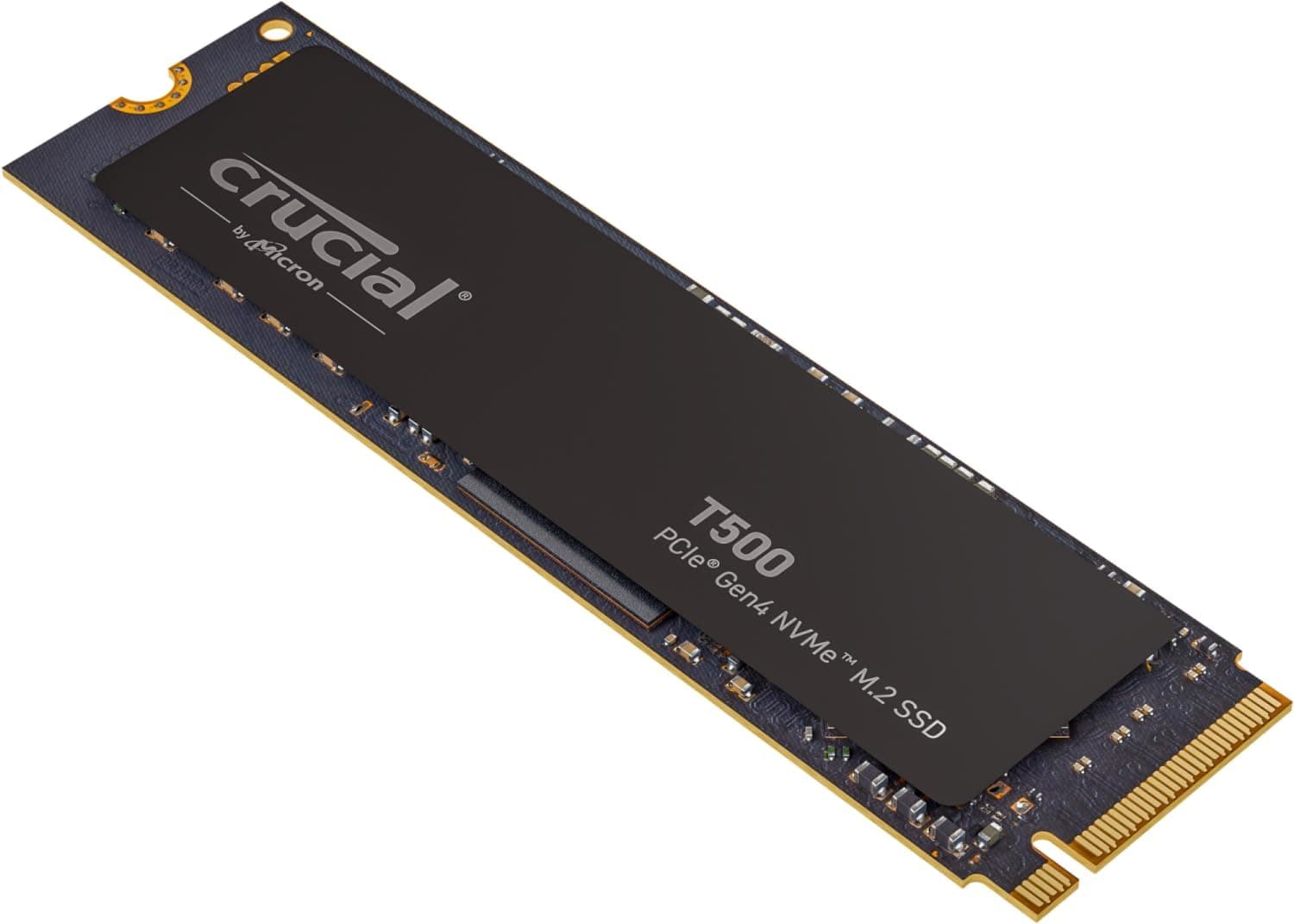
The GALIMU XP2000 SSD, model XP2000F128G, is a budget-friendly M.2 NVMe drive aimed at users who want to upgrade from a mechanical hard drive or slow SATA SSD without spending much. It uses the M.2 2280 form factor and attaches to the motherboard via a PCIe 4.0 x4 interface, which provides high bandwidth while remaining backward compatible with PCIe 3.0 slots.
With 128GB of formatted capacity, this drive is best suited for operating system installations or as a secondary storage for a few applications or games. The price is quite attractive, often landing under 14,000 yen at major retailers, making it one of the more affordable ways to get NVMe speeds.
This product sits firmly in the entry-level segment of the SSD market. It offers modern PCIe 4.0 connectivity but pairs it with a smaller capacity to keep costs down. For users who are not heavy storage consumers, this balance works well, though those with large libraries will quickly run into space constraints.
Compatibility Guide
Being a M.2 2280 drive (22mm by 80mm), it requires a motherboard or laptop with an M.2 slot that supports NVMe. The key type must be M-key; SATA-only M.2 slots will not work. The connection is NVMe PCIe, so it won't fit in an M.2 slot that is wired for SATA only.
PCIe 4.0 x4 is the native interface, but the drive will run fine in a PCIe 3.0 x4 slot, just with lower maximum transfer rates. That does not hinder everyday tasks such as booting Windows, loading applications, or playing most games. Most motherboards from the last five years have at least one such slot, and many laptops also support M.2 NVMe drives.
No additional power cables are needed; the drive draws power from the motherboard slot. Heat generation is modest, but ensure adequate airflow inside the chassis, especially in cramped laptop enclosures. Before purchasing, verify BIOS support for NVMe boot if you intend to use this as a system drive.
Product Info
Specific release date details are not provided on the listing, but this is sold as an OEM product, so it likely entered the ecosystem as part of a larger batch. The reference price of about 13,462 yen (October 2026, online retailers) is competitive for a 128GB NVMe SSD.
Warranty terms are not clearly stated; because it's an OEM unit, the warranty is often left to the reseller. Buying from a reliable retailer is recommended to ensure some level of after-sales support. There is no official product page, so firmware updates and detailed documentation may be scarce.
Market positioning is entry-level: it delivers PCIe 4.0 performance at a low price, but the small capacity keeps it in the budget category. It's an excellent choice for breathing new life into an older machine as a boot drive, without investing much money.
Best Use Cases
- Sub-PC or Notebook Owners: If you have a laptop that still uses a 2.5-inch SATA SSD or HDD, upgrading to this M.2 NVMe drive can noticeably improve boot times and application loading. The 128GB size is ample for Windows plus essential software, and the price makes it a low-risk upgrade.
- Budget-Concious Builders: For a entry-level desktop build, this SSD can serve as the primary drive to keep costs down while still benefiting from NVMe speeds. Pair it with a larger HDD for bulk storage to balance performance and capacity.
- Occasional Gamers: Gamers who only play one or two games at a time can install them on this drive and enjoy faster level loading. Games like multiplayer shooters or indie titles often fit within 50GB, leaving room for the OS.
However, this product is not suitable for users with large media libraries, video editing projects, or dozens of AAA games installed simultaneously. The 128GB capacity will be exhausted quickly. Also, if you already own a faster and larger NVMe SSD, adding this small drive may not bring meaningful benefits.
Things to Consider
The most obvious limitation is capacity. 128GB is tiny by modern standards, and Windows updates, page files, and software installations can eat it up fast. You'll need to constantly manage free space if you use this as a system drive.
The TBW (Total Bytes Written) endurance rating is not disclosed. Entry-level SSDs often have lower endurance, and without official numbers, long-term reliability is uncertain. For heavy write workloads (e.g., video editing, databases), this drive may not be a wise choice.
Because it's an OEM unit, there is no manufacturer warranty or official support path. The seller (e.g., online retailers Marketplace) might offer a limited return policy, but do not expect comprehensive technical assistance. If after-sales support is crucial, consider a retail-branded SSD with a published warranty.
Additionally, while the price is low, 128GB drives often have a poor ratio of cost per gigabyte compared to 256GB or 512GB models. If you're not strictly budget-limited, spending a bit more for
Product Disclosure (Amazon)
- Manufacturer: GALIMU
- Seller: K-S2
- Fulfilled by: K-S2
- ASIN: B0FY4CQRYF
- Note: This article covers a manufacturer-made product based on Amazon listing details.