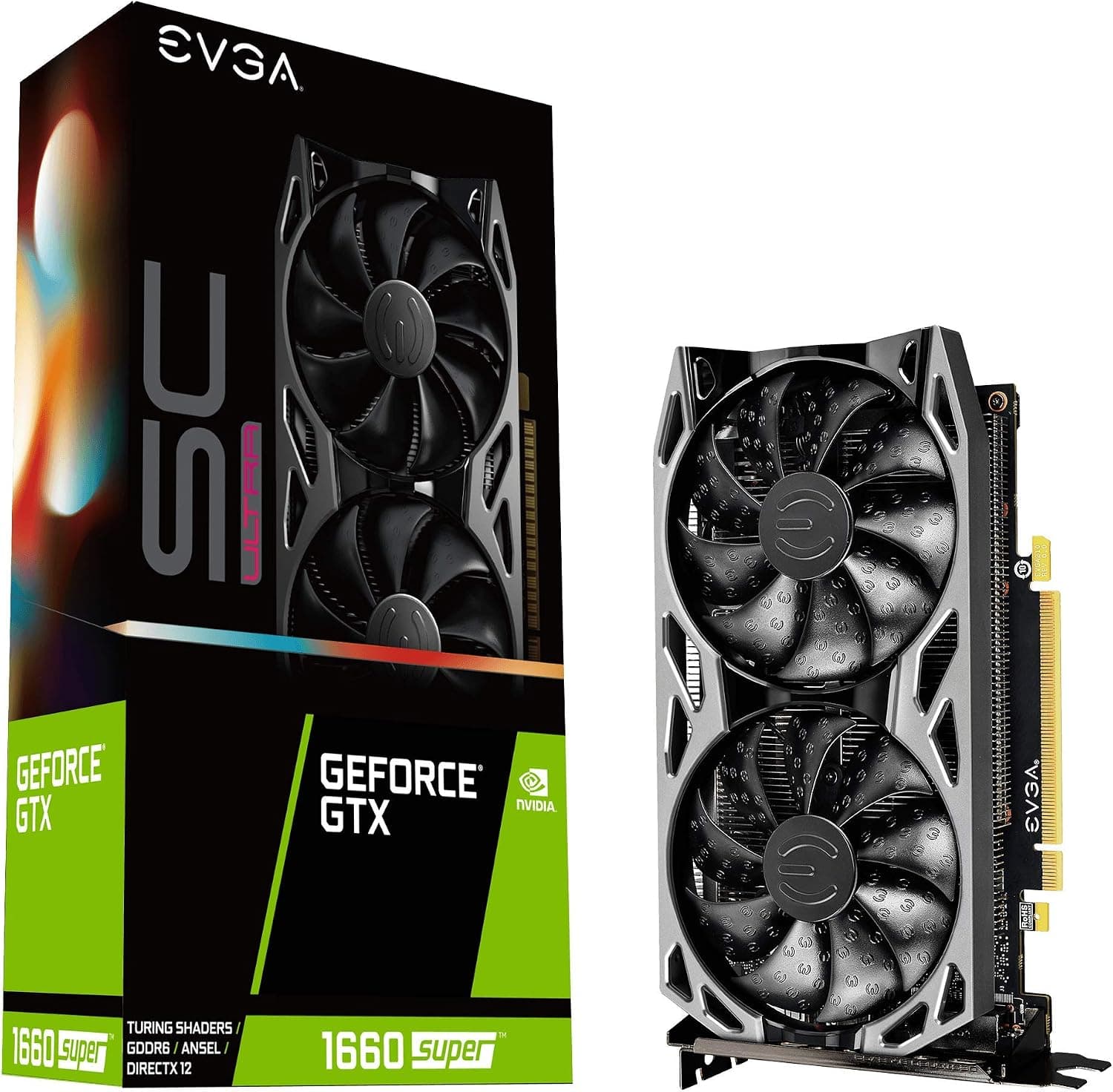
This article covers NVIDIA GeForce RTX 5060 Ti 8 GB.
Overview
The NVIDIA GeForce RTX 5060 Ti 8GB, launched in April 2025, is a mid-range graphics card built around the GB206 GPU. It features 8GB of GDDR7 memory on a 128-bit bus, with a boost clock of 2572 MHz. With a TDP of just 180W, it's an efficient option for 1080p high-refresh-rate gaming and light creative work. The card uses a PCI Express 5.0 x8 interface, making it compatible with modern motherboards. Priced around ¥99,000, it competes directly with AMD's Radeon RX 9070 series.
Compatibility Guide
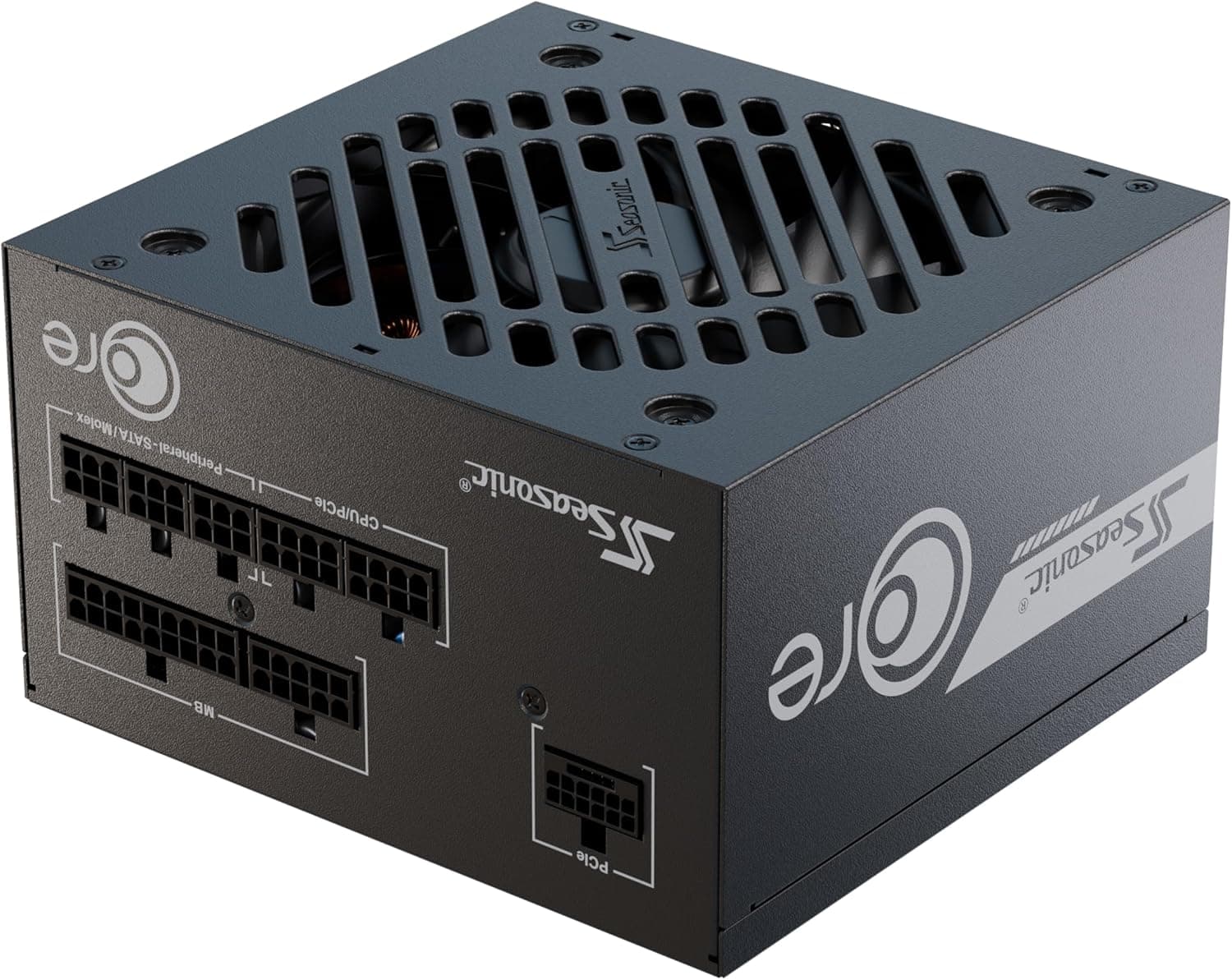
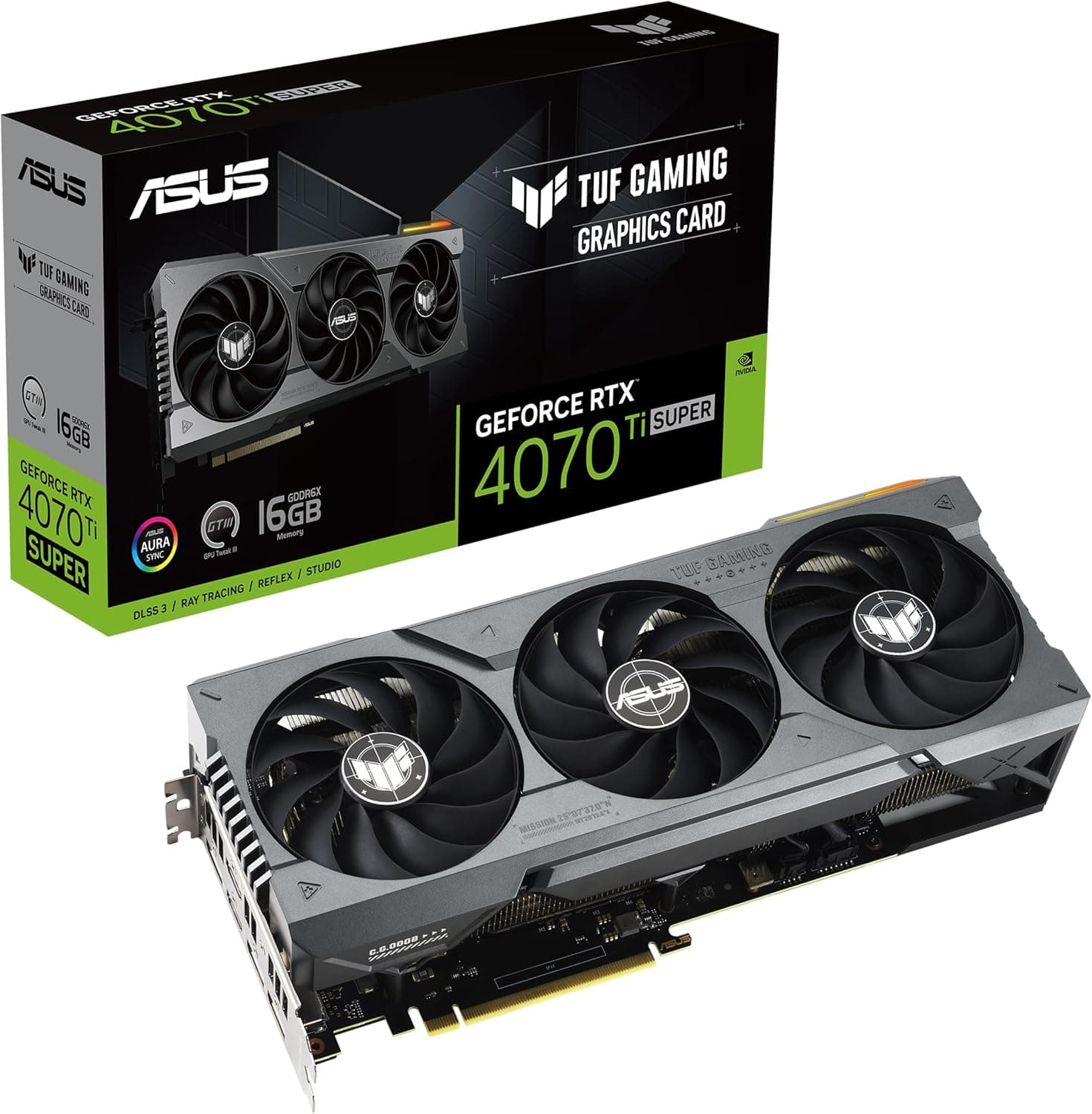
The RTX 5060 Ti uses a PCIe 5.0 x8 link, but physically fits into any standard PCIe x16 slot. It will work in PCIe 4.0 and 3.0 slots, though bandwidth is halved; in practice, performance impact is minimal for this class. The card requires a single 8-pin (or 6+2-pin) power connector, and the recommended PSU is 450W or higher. Most custom models are dual-slot and around 250-300mm long, so check your case's GPU clearance before purchasing. The TDP of 180W means even a mid-range 500W PSU should suffice, but a 550W unit is recommended for headroom.
Product Info
The RTX 5060 Ti 8GB was released on April 16, 2025, targeting the mid-range segment. It is ideal for 1080p high-refresh-rate gaming and 1440p medium-settings gameplay. The GDDR7 memory offers higher bandwidth than previous generations, though the 128-bit bus limits overall memory bandwidth. Retail pricing hovers around ¥99,000, putting it in competition with AMD's offerings. Warranty varies by manufacturer, typically 2-3 years.
Best Use Cases
- 1080p Gaming Enthusiasts: The RTX 5060 Ti delivers excellent frame rates in 1080p for both esports and AAA titles. It's a great match for 144Hz or 165Hz monitors. Not recommended for 4K gaming due to VRAM limitations.
- Energy-Efficient Builds: With a low 180W TDP, it's suitable for small form factor PCs where power and heat are concerns. The card works well with a 450W-550W PSU. However, if you need extreme silence, check the specific cooler model.
- Light Creative Work: CUDA acceleration and NVENC encoder benefit video editing and 3D rendering. For heavy 3D or machine learning, the 8GB VRAM may be limiting.
Things to Consider
The main drawback of the RTX 5060 Ti is its 8GB VRAM. At 1440p, newer AAA titles can exceed 8GB usage at high texture settings, leading to potential stuttering or texture streaming. For future-proofing, a 12GB or 16GB card might be better. Also, the PCIe 5.0 x8 interface means that if you're using an older PCIe 3.0 motherboard, the card will operate at PCIe 3.0 x8—still fine for most games, but not ideal. Competitors like the AMD Radeon RX 9070 offer 16GB VRAM at a similar price point, which might be more attractive for longevity.
FAQ
Q: Can this card handle 4K gaming?
A: No, 8GB VRAM is insufficient for 4K AAA gaming. The RTX 5060 Ti is best suited for 1080p and light 1440p.
Q: Is a 450W PSU really enough?
A: The official recommendation is 450W, but for a typical gaming build with a mid-range CPU, a 550W PSU is safer and allows for overclocking or future upgrades.
Q: Should I worry about PCIe 5.0 x8 bottleneck?
A: In most games, even PCIe 3.0 x8 doesn't bottleneck this card. PCIe 5.0 x8 is more than enough for the RTX 5060 Ti, so no issues.